
Farming in the Rift Valley, Kenya: Maize, Wheat, Dairy and Tea Across the Grain Basket
Guide to farming in Kenya's Rift Valley — Uasin Gishu, Trans Nzoia, Nakuru, Narok, Bomet and Nandi. Maize, wheat, dairy, tea, markets and opportunities.
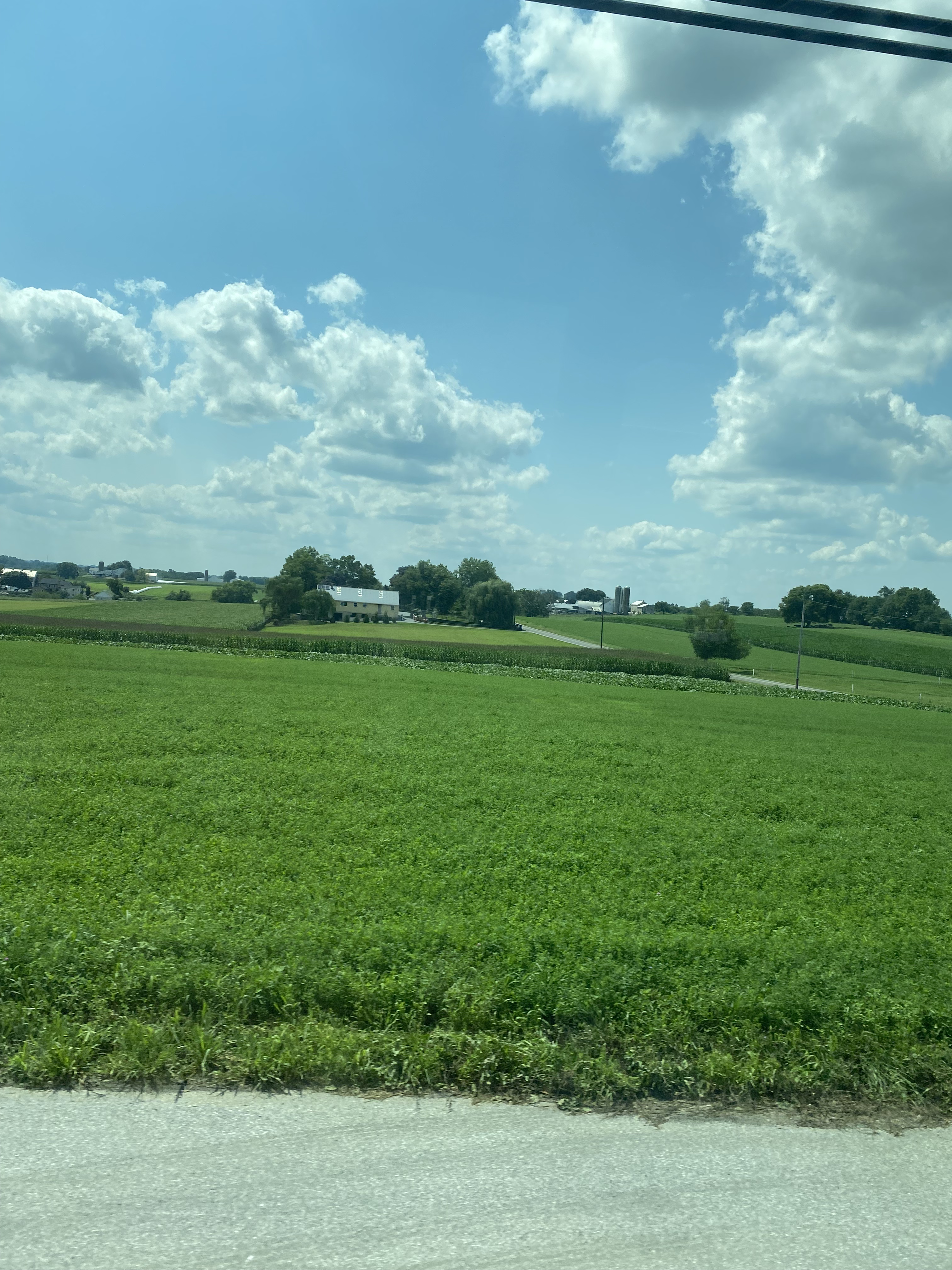
The Rift Valley is Kenya's most important agricultural region by volume — the country's grain basket and a dairy powerhouse. Its high, fertile plains and cool highlands produce most of the nation's maize and wheat, huge quantities of milk, and much of its tea. This guide to farming in the Rift Valley of Kenya covers the main counties, altitude zones and seasons, dominant crops and livestock, key markets, and the opportunities and challenges that define the region.
The counties and the landscape
The Rift Valley is vast and varied. Its leading farming counties include:
- Uasin Gishu — the classic grain basket, centred on Eldoret, dominated by large-scale maize and wheat plus strong dairy.
- Trans Nzoia — Kitale and its surrounds, another maize and wheat heartland with fertile volcanic soils.
- Nakuru — highly diverse: maize, wheat, barley, potatoes (Molo, Kuresoi), horticulture, dairy, and floriculture around Naivasha.
- Narok — large-scale wheat and maize on the plains, extensive livestock, and highland potatoes.
- Bomet — tea, dairy, maize and horticulture in cool, wet highlands.
- Nandi — tea, dairy, and maize on the high escarpment.
Farm sizes range from very large mechanised holdings in the North Rift and Narok to smaller mixed farms in Nandi, Bomet and highland Nakuru.
Altitude, seasons and agro-ecological zones
Altitude drives what grows where, from around 1,700m on the grain plains to over 2,400m in the tea and potato highlands.
| Zone | Approx. altitude | Typical enterprises |
|---|---|---|
| High grain plains | 1,700–2,100m | Maize, wheat, barley, dairy |
| Tea highlands | 1,800–2,300m | Tea, dairy, horticulture |
| Cool potato highlands | 2,100–2,600m | Potatoes, cabbages, dairy, pyrethrum |
| Drier rangelands (parts of Narok, Baringo) | Variable | Livestock, drought-tolerant crops |
Rainfall in the productive zones is generally reliable at 1,000–1,600mm a year. The long rains (around March–June) carry the main maize and wheat crop, harvested from August–November. Higher, cooler areas have one long season; some lower zones catch short rains around October–December.
Cereals: the grain basket
Maize
Maize is the Rift Valley's signature crop and the mainstay of national food supply. Large, mechanised farms in Uasin Gishu, Trans Nzoia and Narok routinely target 25–40 bags per acre with certified seed, correct fertiliser, and good weed and pest control. We have dedicated guides for maize farming in Uasin Gishu, maize farming in Trans Nzoia and maize farming in Narok. Watch for fall armyworm, which can cut yields sharply if uncontrolled.
Wheat and barley
Narok, Uasin Gishu, Nakuru (Timau border) and parts of the region are Kenya's main wheat producers, grown on large mechanised fields and sold mostly to millers. See wheat farming in Narok. Barley is grown on contract for breweries in cooler zones.
Tea
The wetter highlands of Nandi, Bomet, Kericho and parts of Nakuru are prime tea country, delivering green leaf to factories on a steady payment cycle. Tea provides reliable, regular income that complements the seasonal cereal harvest. See the tea farming guide.
Dairy and livestock
The Rift Valley is a dairy heavyweight. Cool highlands, abundant fodder, and strong cooperatives support large numbers of grade and crossbred cattle across Uasin Gishu, Nandi, Bomet and Nakuru. Good genetics, quality pasture and hay and clean milk handling drive profitability — start with the dairy cattle farming guide. The drier rangelands of Narok and Baringo support extensive beef and small-stock production; see beef cattle farming and sheep farming.
Other crops
- Potatoes — Molo, Kuresoi (Nakuru), highland Narok and Nandi; see the potato farming guide.
- Sunflower and canola — expanding oilseed crops; see sunflower farming.
- Horticulture and flowers — vegetables around Nakuru and large-scale floriculture at Naivasha for export.
- Beans and peas — widely intercropped and grown for market.
Key markets and towns
| Market / town | County | Notable for |
|---|---|---|
| Eldoret | Uasin Gishu | Grain trade, NCPB, inputs, dairy |
| Kitale | Trans Nzoia | Maize hub, seed companies, agro-inputs |
| Nakuru | Nakuru | Diverse produce, dairy, horticulture |
| Narok town | Narok | Wheat, maize, livestock |
| Kericho / Bomet | Bomet/Kericho | Tea factories and green-leaf collection |
| Naivasha | Nakuru | Flower and vegetable exports |
NCPB depots and millers anchor the cereal market, but farmers who rely solely on selling at harvest often get the lowest prices of the year.
Opportunities
- On-farm storage: Holding maize past the harvest glut can lift the price substantially — see post-harvest management.
- Value addition: Milling, animal-feed production from maize and by-products, and milk cooling/processing add margin.
- Fodder as a business: Hay and silage sell well to the region's many dairy farmers.
- Oilseeds and diversification: Sunflower and canola reduce dependence on maize price swings.
- Precision inputs: Soil testing and correct fertiliser raise yields and cut waste on large acreages.
Challenges
- Maize price volatility: Prices crash at harvest and recover later, punishing farmers who must sell immediately.
- High input costs: Fertiliser, certified seed and fuel for mechanisation weigh on margins.
- Soil acidity and declining fertility: Long cereal monocropping needs lime and rotation.
- Pests and disease: Fall armyworm, maize lethal necrosis, and storage pests require vigilance.
- Weather variability: Delayed or erratic rains disrupt planting on rain-fed grain farms.
Farming systems and how land is used
The Rift Valley spans two very different farming worlds. On the high grain plains of Uasin Gishu, Trans Nzoia and Narok, large mechanised farms run maize and wheat at scale, often with a dairy herd and fodder plots alongside — a system where tractor access, certified seed, and timely operations decide the season. In the cooler tea and dairy highlands of Nandi, Bomet and parts of Nakuru, smaller mixed farms combine tea or maize with intensive dairy, giving a steady monthly milk and green-leaf income to balance the once-a-year grain cheque.
This mix of scale and diversity is the region's strength. The most resilient farmers pair their main cereal or tea enterprise with dairy and fodder, store grain rather than selling into the harvest glut, and use soil testing and rotation to keep long-cropped land productive. Fodder and hay themselves have become a profitable business, sold to the region's dense dairy population.
Making Rift Valley farming pay
The region's most successful farmers combine scale with discipline: certified seed, correct fertiliser, pest control, safe storage, and — crucially — selling at the right time to the right buyer rather than dumping grain at harvest.
Use Agrisoko's market intelligence to track maize, wheat and produce prices so you know when and where to sell, and list your harvest to sell directly to millers, traders and bulk buyers.
See also: Maize farming in Uasin Gishu | How to sell maize in Kenya | Dairy cattle farming in Kenya
Buying maize in bulk?
Get maize supplier offers
Tell us your organisation and how much you need. Agrisoko matches suppliers across Kenya at today's market price.
No account needed. Your details stay private — we broker the intro.
Turn this guide into a market decision
Check live prices, browse active supply, or look at buyer demand before you move stock.