
Banana Farming in Kenya: Tissue Culture, Meru & Kisii Markets
Banana farming in Kenya: tissue-culture seedlings, best varieties, agronomy for Meru and Kisii, disease control, bunch yields, value addition and markets.
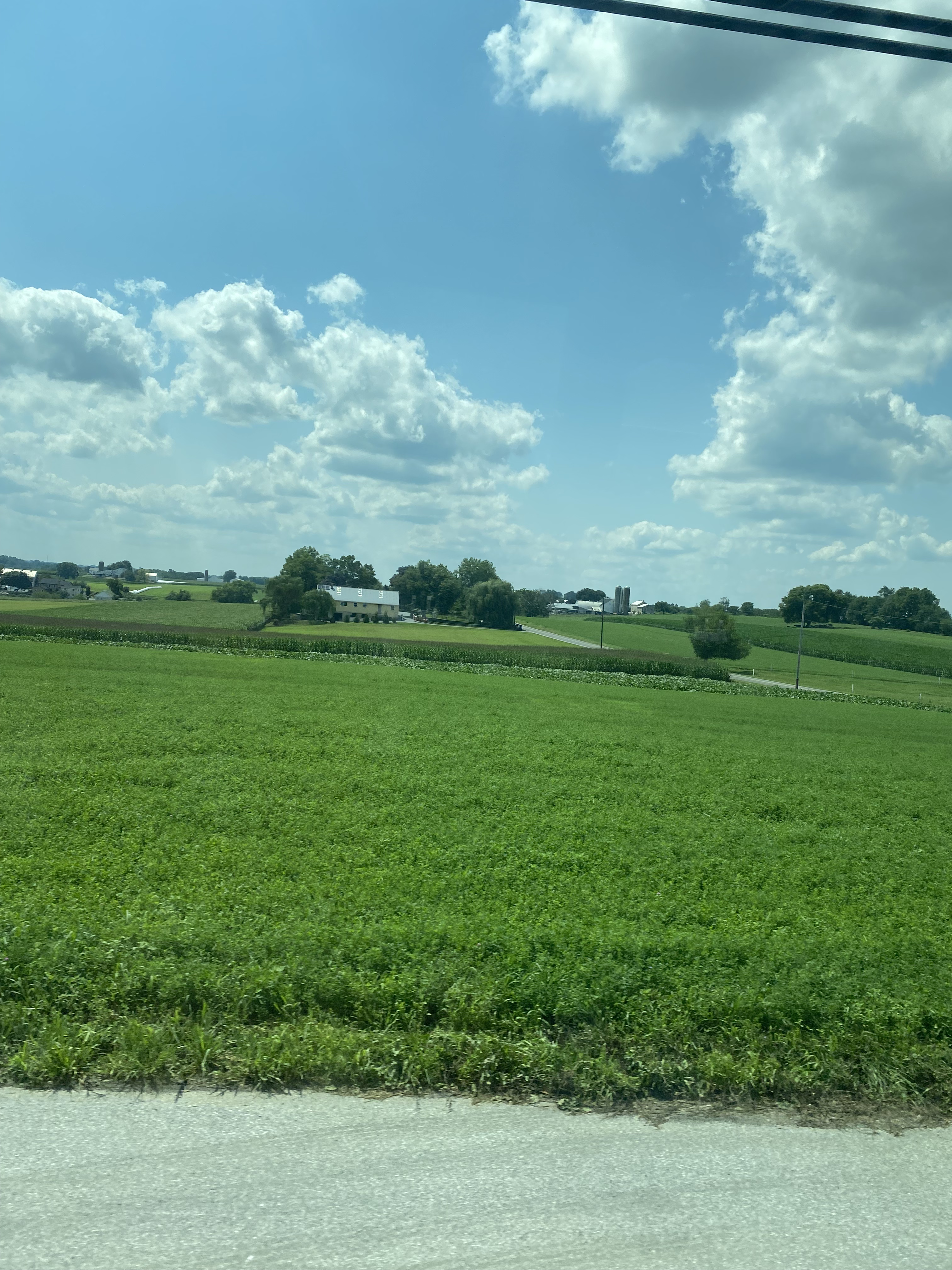
Banana farming in Kenya is a reliable, year-round income earner and a staple food across much of the country. Unlike seasonal crops, a well-managed banana plantation produces continuously, giving farmers steady cash flow. The shift to tissue-culture (TC) seedlings has transformed the crop — cleaner planting material, faster establishment and bigger, more uniform bunches. This guide covers TC establishment, variety choice, agronomy for Meru, Kisii and other banana zones, disease control, yields, value addition and markets.
Where bananas grow in Kenya
Bananas do best in warm, moist areas with deep, fertile, well-drained soils.
- Meru and Tharaka Nithi — a leading banana region on Mt Kenya's eastern slopes.
- Kisii and Nyamira — high-rainfall, densely farmed banana heartland in the south-west.
- Murang'a, Embu, Kirinyaga and Nyeri — strong Central Kenya production.
- Taita Taveta, Kakamega, Bungoma and parts of the coast — additional zones.
Bananas prefer 1,000–2,000m (though they grow lower), 1,000–2,000mm of well-distributed rain (or irrigation), and deep, fertile, well-drained loams rich in organic matter. They are sensitive to strong wind (which topples plants) and to waterlogging.
Why tissue culture changed banana farming
Traditionally, farmers planted suckers dug from old plantations — but these carry nematodes, weevils and diseases like Panama wilt, and establish unevenly.
Tissue-culture (TC) seedlings are:
- Disease-free and true-to-type, from certified labs.
- Uniform, so the whole field matures together for easier management and marketing.
- Faster to bear — first bunch in roughly 12–18 months — and higher yielding, with bigger bunches.
TC seedlings cost more per plant, but the earlier, larger, more uniform harvest makes them the recommended starting point for serious banana farming.
Best banana varieties for Kenya
| Variety | Type | Best for |
|---|---|---|
| Grand Nain | Cavendish (dessert) | Large uniform bunches, fresh market |
| Williams | Cavendish (dessert) | High yield, good bunch size |
| Gros Michel ("Kiganda/Kampala") | Dessert | Sweet, premium local demand |
| Ng'ombe | Cooking (matoke) | Cooking-banana markets |
| FHIA hybrids | Cooking/dual | Disease tolerance, versatile |
Choose Cavendish types (Grand Nain, Williams) for the fresh dessert market and cooking varieties where matoke demand is strong (common in western Kenya and among urban buyers).
Establishing a banana plantation
- Buy certified TC seedlings and harden them off in a nursery before planting.
- Dig large planting holes and mix in plenty of well-rotted manure — bananas are heavy feeders.
- Spacing: about 3m x 3m (roughly 400–450 plants per acre) so the mature canopy has room.
- Plant with the rains or irrigate, and mulch heavily to conserve moisture, suppress weeds and feed the soil.
- Feed with fertiliser rich in potassium (bananas need lots of K for bunch filling) plus nitrogen, split through the year.
Managing the mat: desuckering and support
A banana plant fruits once, then followers take over. Manage the mat on a "mother, daughter, granddaughter" system:
- Desucker — remove excess suckers, keeping only the chosen followers, so energy goes into strong plants and good bunches.
- Prop heavy bunches with poles to stop the plant toppling.
- Remove old leaves and harvested pseudostems to reduce pests and disease.
Pests and diseases
- Banana weevil: bores into the corm, weakening plants. Control with clean TC material, field hygiene and traps.
- Nematodes: damage roots and cause toppling; avoided largely by starting with clean TC seedlings.
- Panama wilt (Fusarium): soil-borne, incurable; yellowing and collapse. Use resistant varieties, clean material and avoid moving infected soil.
- Banana Bunchy Top Virus (BBTV): spread by aphids, causing stunted, bunched leaves and no yield. Rogue out and destroy infected plants and control aphids; use clean planting material.
- Black/yellow Sigatoka: leaf-spot fungal diseases reducing yield; manage with sanitation, spacing and, where justified, fungicides.
Starting with certified TC seedlings is the single biggest step in avoiding most of these problems.
Yields and returns
At around 400–450 plants per acre, a well-managed TC plantation produces hundreds of bunches a year, with good bunches weighing 25–50kg each. Because the plantation fruits continuously, income is spread across the year rather than concentrated in one harvest — a major advantage for household cash flow. Returns depend on variety, water, nutrition and pest control, and on how well you market bunches.
Costs and returns per acre (indicative)
| Item | Indicative cost (KES/acre) |
|---|---|
| Certified TC seedlings (~400–450) | 40,000–90,000 |
| Land prep and planting holes | 8,000–15,000 |
| Manure and fertiliser (year 1) | 20,000–40,000 |
| Irrigation/mulch/props | 10,000–30,000 |
| Labour (planting, desuckering, harvest) | 20,000–45,000 |
| First-year establishment | ~100,000–220,000 |
The establishment cost is front-loaded, but a banana plantation then produces for many years with much lower recurring costs — mainly fertiliser, mulch and labour. Because bunches ripen continuously, the plantation returns cash every few weeks rather than in a single seasonal lump, which is what makes bananas such a dependable smallholder enterprise once established.
Value addition
Value addition helps beat price gluts and glutted fresh markets:
- Ripening and grading for premium fresh sale.
- Banana crisps from cooking/green bananas.
- Banana flour for baking and porridge markets.
- Wine and juice in some areas.
Even simple, consistent grading and clean presentation lifts the price of fresh bunches.
Markets: where to sell bananas
- Local assembly markets and brokers in Meru, Kisii, Nyamira, Murang'a and Embu, feeding Nairobi and other towns.
- Urban wholesale and retail — Wakulima/Marikiti and town markets.
- Institutions, grocers and value-add processors.
- Agrisoko marketplace — reach bulk buyers and transporters directly instead of selling every bunch to a single broker.
Banana prices vary by variety, season and region. Before you sell, check the Agrisoko market intelligence dashboard and the banana price page to compare offers and decide whether to sell fresh, hold, or add value.
Key takeaways
- Start with certified tissue-culture seedlings — disease-free, uniform, faster and higher-yielding.
- Choose Cavendish types for dessert markets and cooking varieties for matoke demand.
- Feed heavily (especially potassium), mulch, desucker and prop bunches.
- Beat Panama wilt, BBTV, weevils and nematodes mainly by using clean planting material and hygiene.
- Bananas give year-round income; grade, add value and check prices to maximise returns.
From Meru to Kisii, sell your bananas smarter. List your bunches on Agrisoko, follow the banana price page, and track demand on the market intelligence dashboard.
Turn this guide into a market decision
Check live prices, browse active supply, or look at buyer demand before you move stock.