
Avocado Farming in Murang'a: Hass, Fuerte, Export Standards and Real Returns
How to grow Hass and Fuerte avocado in Murang'a — spacing, water, KEPHIS export rules, false codling moth control, costs, yields and where to sell your fruit.
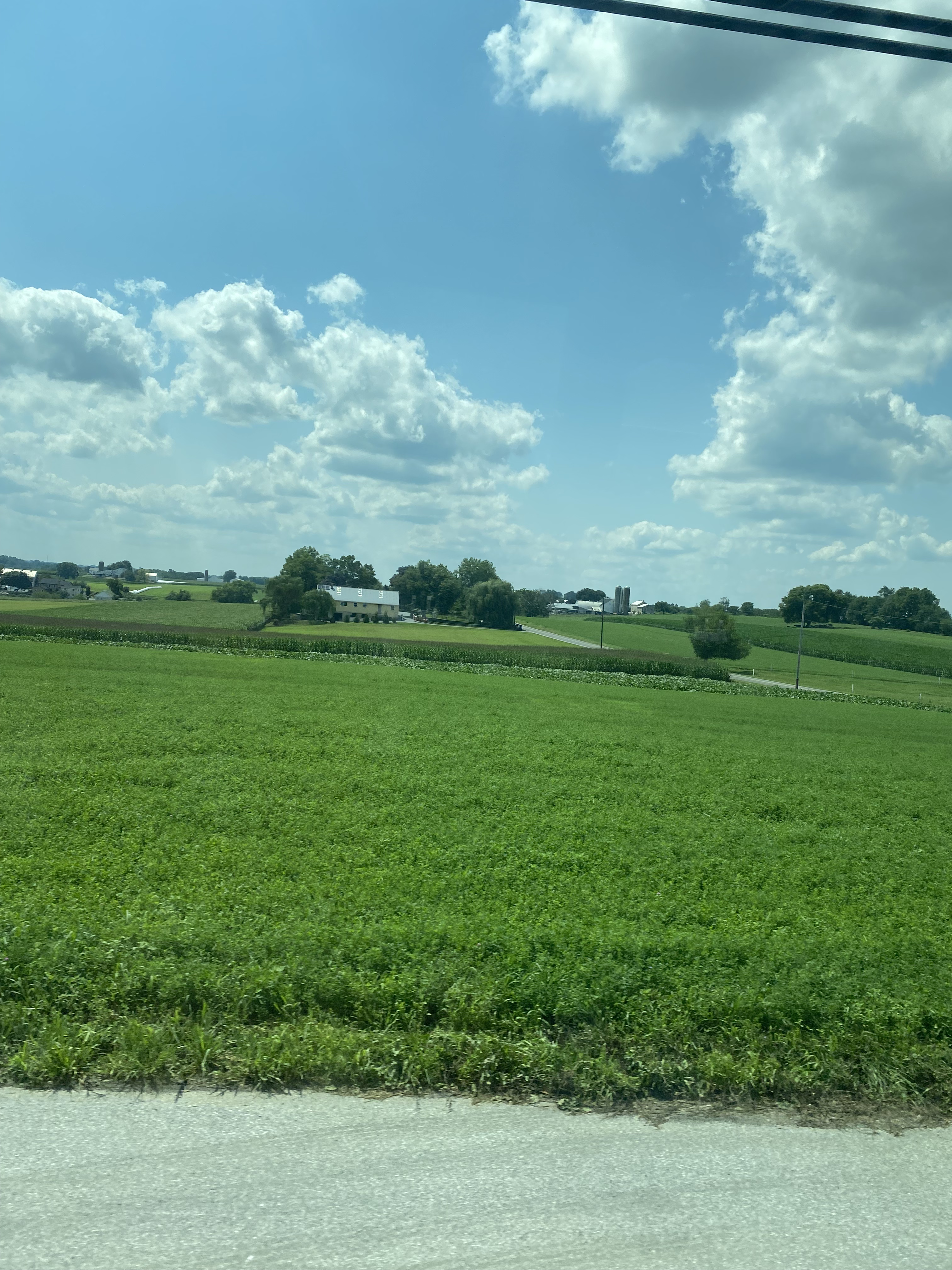
Avocado farming in Murang'a has quietly become one of the most reliable ways for a Central Kenya smallholder to earn foreign-exchange-level prices from a single crop. The county's deep red volcanic soils, altitude, and dependable rainfall suit Hass and Fuerte almost perfectly — and because Murang'a is already an avocado heartland, exporters, aggregators, and grafted-seedling nurseries are close at hand. This guide is honest about the timelines, the export rules, and the money.
Why Murang'a suits avocado
Murang'a spans roughly 1,300–2,000m in altitude, with the higher zones around Kangema, Mathioya, Kigumo, and Kandara offering the cool nights and good rainfall that Hass loves. The classic deep, well-drained red volcanic soil is the county's biggest advantage — avocado hates wet feet, and Murang'a's sloping terrain drains naturally.
The one non-negotiable is drainage. Waterlogging causes Phytophthora root rot, the single most common reason avocado orchards fail. Never plant in a valley bottom or flat spot that holds water after heavy rain.
Hass vs Fuerte: choosing your varieties
| Variety | Role | Skin & season | Market |
|---|---|---|---|
| Hass | Main export crop | Pebbly, turns purple-black when ripe; long shelf life | Premium EU/Middle East/China export |
| Fuerte | Secondary + pollinator | Smooth green skin; shorter shelf life | Local + some export; improves Hass fruit set |
| Pinkerton / Jumbo | Niche/local | Larger green fruit | Mostly local and regional |
Plant mostly Hass for the export price, and interplant a few Fuerte trees — they flower in a complementary pattern and improve pollination and fruit set. Buy grafted seedlings (roughly KES 100–300 each) from a KEPHIS-registered nursery; seedling trees don't come true to type and take far longer to bear.
Establishing the orchard
- Spacing: 6m x 6m (about 120 trees/acre) is the practical default in Murang'a; 5m x 5m (about 170 trees/acre) lifts early yield but closes the canopy faster.
- Planting holes: dig wide and deep, mix topsoil with well-rotted manure, and plant at the onset of the long rains (March–April) or short rains (October–November).
- Water: young trees need steady moisture through their first two dry seasons. Mature trees tolerate drought better, but irrigation in the January–March dry spell markedly improves fruit size and yield — the difference between count-size export fruit and small local-market fruit.
- Mulching conserves moisture, suppresses weeds, and feeds soil life.
The honest timeline and establishment cost
| Item (per acre, indicative 2025/26) | KES range |
|---|---|
| 120 grafted seedlings @ 150–300 | 18,000 – 36,000 |
| Land prep, holes, planting | 15,000 – 30,000 |
| Manure and planting fertilizer | 15,000 – 25,000 |
| Mulch, first-year water/labour | 20,000 – 40,000 |
| Year 1 establishment total | 68,000 – 131,000 |
- Year 1–2: establishment — healthy growth, weeding, mulching, root-rot prevention. No meaningful crop. Intercrop with beans or vegetables to earn while trees mature.
- Year 3–4: first small harvests.
- Year 5–7: production builds steadily.
- Year 7 onward: full production — a well-managed mature tree yields several hundred fruits per season. A mature acre can bring KES 200,000–500,000+ gross in a good export year, depending on price, count size, and how you sell.
Meeting export standards — where Murang'a growers win or lose
- KEPHIS maturity window: KEPHIS announces the official Hass harvest start date each season and enforces a minimum dry matter (commonly around 24%). Harvesting early is illegal and gets fruit rejected. Wait for the window and test maturity before you pick.
- GlobalGAP: most exporters require GlobalGAP-level practices. You rarely have to certify alone — join an exporter's or aggregator's group scheme, common around Kandara and Maragua, which shares the audit cost.
- False codling moth (FCM): a quarantine pest for the EU. Detection means rejection and threatens national market access. Control through orchard hygiene, monitoring traps, approved interventions, and working inside a certified programme.
- Grade and size: export buyers want specific count sizes, clean skins, and no blemishes. Off-grade fruit goes to the local market or processors.
Pests and diseases to watch
- Phytophthora root rot — prevent with good drainage; the biggest killer.
- False codling moth, fruit fly, thrips — monitor and manage, especially for export fruit.
- Anthracnose — a post-harvest fungal disease managed through field hygiene and careful handling.
Where and how to sell from Murang'a
- Licensed exporters and their field agents — the best price for export-grade fruit. Register early and build the relationship before your first big crop.
- Aggregators / collection centres — pool smallholder fruit to reach export volumes; convenient if you can't deal with an exporter directly.
- Processors — take fruit for oil and pulp, absorbing smaller and off-grade fruit.
- Local and regional markets — for rejects, smaller fruit, and off-season supply.
Track what fruit is actually fetching before you commit to a buyer — check the avocado price page and wider market intelligence so a farm-gate broker can't lowball you. When your crop is close, sell on Agrisoko: post your orchard's expected volume, variety (Hass/Fuerte), county, and harvest window so exporters, aggregators, and bulk buyers find you ahead of the season.
The Murang'a growers who earn most line up their buyer before the season, hit the KEPHIS window exactly, and keep fruit export-clean.
Key takeaways
- Plant grafted Hass with a few Fuerte pollinators in well-drained red soil
- Expect first fruit in year 3–4, full production from year 7
- Wait for the KEPHIS window and hit the ~24% dry matter standard
- Control root rot and false codling moth
- Join an exporter or aggregator group for GlobalGAP and better prices
- Check prices and sell on Agrisoko before the brokers set the price
See also: Hass avocado farming in Kenya | Avocado farming in Kisii | Check avocado market prices
Turn this guide into a market decision
Check live prices, browse active supply, or look at buyer demand before you move stock.