
Hass Avocado Farming in Kenya: Export Standards, Real Timelines, and Where to Sell
A complete guide to Hass avocado farming in Kenya — spacing and establishment, when trees start paying, KEPHIS maturity rules and dry matter, false codling moth control for export, and how to reach exporters and buyers.
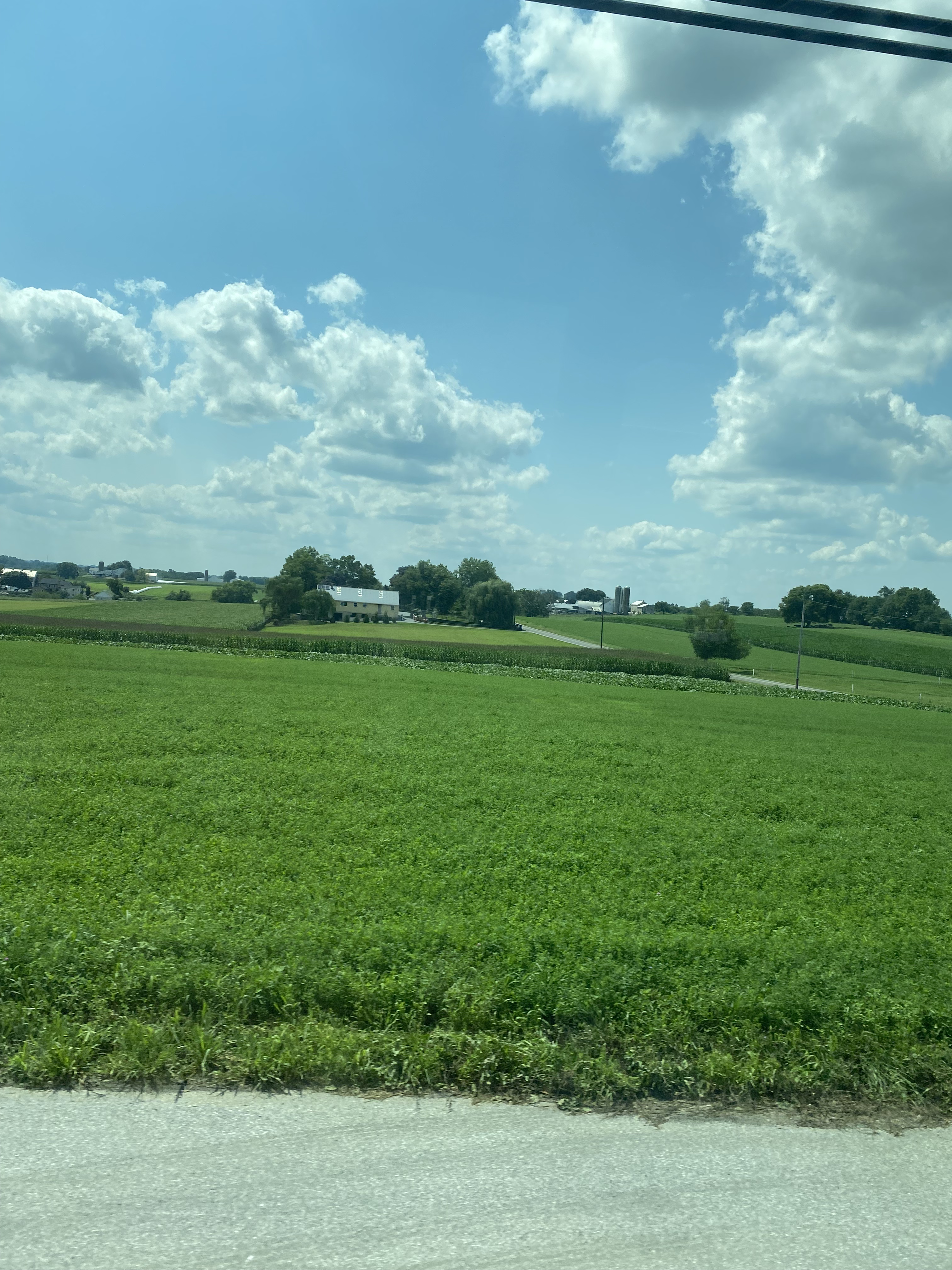
Hass avocado has become one of Kenya's biggest agricultural export success stories, and demand from Europe, the Middle East, and now China keeps growing. But avocado is a long-term investment that rewards patience and punishes shortcuts — especially around maturity standards and pest control. This guide is honest about the timelines and the requirements.
Where Hass grows well in Kenya
Hass needs medium-to-high altitude, good rainfall, and — above all — deep, well-drained soil. Strong producing zones include:
- Murang'a and Kiambu (Central)
- Meru and Embu (Eastern slopes of Mt Kenya)
- Kisii and Nyamira (Gusii highlands)
- Nandi, Kericho, and Bomet (Rift Valley)
- Parts of Kakamega and Trans Nzoia
The one non-negotiable is drainage. Waterlogging causes Phytophthora root rot, which is the most common way avocado orchards fail. Never plant Hass in a spot that holds water.
Establishing the orchard
- Use grafted seedlings from a reputable, KEPHIS-registered nursery. Seedling trees don't come true to type and take far longer to bear. Expect to pay roughly KES 100–300 per grafted seedling.
- Spacing: 5m x 5m (~170 trees/acre) for higher early yield, or 6m x 6m (~120 trees/acre) for easier long-term management.
- Planting holes: Dig wide, deep holes; mix topsoil with well-rotted manure. Plant at the start of the rains.
- Pollination: Hass benefits from a nearby pollinator such as Fuerte to improve fruit set — interplant a few.
- Water: Young trees need consistent moisture; mature trees are more drought-tolerant but yield and fruit size improve greatly with irrigation in dry spells.
The honest timeline
- Year 1–2: Establishment. Focus on healthy growth, weeding, mulching, and root-rot prevention. No meaningful crop.
- Year 3–4: First small harvests begin.
- Year 5–7: Production builds steadily.
- Year 7 onward: Full production — a well-managed mature Hass tree can yield hundreds of fruits per season.
This is a patient-capital crop. Intercrop with short-term crops (beans, vegetables) in the early years to earn while the trees mature — just keep them away from the tree bases and don't compete for water.
Meeting export standards — this is where growers win or lose
If you want the export price, you must meet the standards:
- KEPHIS maturity window: KEPHIS announces the official Hass harvest start date each season and enforces a minimum dry matter (commonly around 24%). Harvesting immature fruit early is illegal, gets fruit rejected, and damages Kenya's reputation. Wait for the window and test maturity before you pick.
- GlobalGAP: Most exporters require GlobalGAP-level practices — record-keeping, safe chemical use, worker welfare, traceability. An exporter or aggregator can help you get there.
- False codling moth (FCM): A quarantine pest for the EU. Detection means rejection. Control through orchard hygiene, monitoring traps, approved interventions, and working inside an exporter's certified programme.
- Grade and size: Export buyers want specific size counts, clean skins, and no blemishes. Fruit that misses grade goes to the local market or processors.
Pests and diseases to watch
- Phytophthora root rot — prevent with good drainage; the single biggest killer.
- False codling moth, fruit fly, thrips — monitor and manage, especially for export fruit.
- Anthracnose — post-harvest fungal disease; managed through field hygiene and careful handling.
Where and how to sell
- Licensed exporters (and their field agents/aggregators) — the best price for export-grade fruit. Register early and build the relationship before your first big crop.
- Aggregators / collection centres — pool smallholder fruit to reach export volumes; convenient if you can't deal with an exporter directly.
- Processors — take fruit for oil and pulp, absorbing smaller or off-grade fruit.
- Local market — for rejects, smaller fruit, and off-season supply.
- Direct listings on Agrisoko — post your orchard's expected volume, variety (Hass/Fuerte), county, and harvest window so exporters, aggregators, and bulk buyers can find you ahead of the season.
The growers who earn most line up their buyer before the season, meet the KEPHIS window exactly, and keep fruit export-clean. Selling avocado is a relationship and a calendar as much as a harvest.
Key takeaways
- Plant grafted seedlings in well-drained soil — never waterlogged
- Expect first fruit in year 3–4, full production from year 7
- Wait for the KEPHIS window and hit the dry matter standard
- Control false codling moth and root rot
- Target export for main-crop fruit, local market for the rest
- Connect with exporters and aggregators early on Agrisoko
See also: Onion farming in Kenya | Growing tomatoes in Kenya | Browse produce buyers
Turn this guide into a market decision
Check live prices, browse active supply, or look at buyer demand before you move stock.