
Avocado Farming in Kisii and Nyamira: High-Rainfall Hass, Fuerte and Export Access
Grow Hass and Fuerte avocado in Kisii and Nyamira — drainage in high rainfall, spacing, aggregation for export, KEPHIS rules, costs and where to sell.
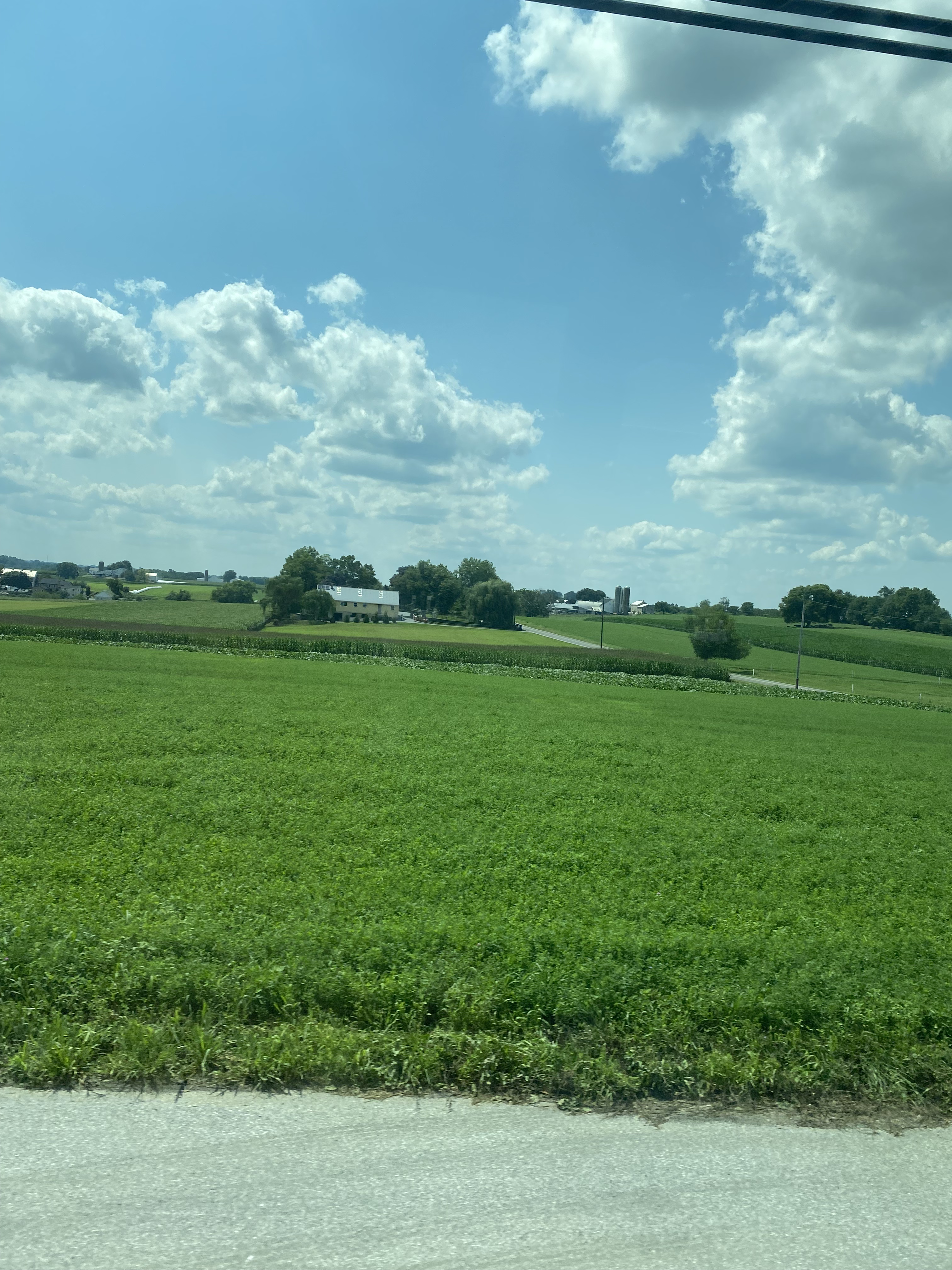
Avocado farming in Kisii and neighbouring Nyamira turns the region's biggest agronomic feature — heavy, reliable rainfall — into an advantage, provided you respect drainage. The Gusii highlands sit at an altitude and fertility that push Hass and Fuerte along quickly, and a growing network of aggregators and cooperatives is connecting small, fragmented farms to the same exporters that serve Murang'a and Meru. This guide covers the varieties, the drainage discipline high rainfall demands, and the honest path to the export price.
Why Kisii and Nyamira suit avocado
The Gusii highlands lie roughly 1,500–2,100m above sea level with fertile soils and some of the most reliable rainfall in Kenya. That combination drives strong vegetative growth and good fruit fill. Avocado is already woven into the farming landscape here, alongside tea, banana, and finger millet, so nurseries and buyers are within reach.
The flip side of high rainfall is water sitting where it shouldn't. On heavy clay or in valley bottoms, waterlogging triggers Phytophthora root rot — the fastest way to lose an orchard. In Kisii, drainage is not optional:
- Plant on slopes and ridges, never valley floors.
- Improve drainage on heavier soils before planting.
- Keep water from pooling around the trunk.
Choosing varieties
| Variety | Role in Kisii | Notes |
|---|---|---|
| Hass | Main export crop | Pebbly skin, purple-black when ripe, long shelf life, premium price |
| Fuerte | Local + pollinator | Smooth green skin, improves Hass fruit set, strong local demand |
| Jumbo / local green | Local market | Large fruit, quick local sales, lower export value |
Plant mostly grafted Hass for the export price, interplanted with a few Fuerte for pollination and local sales. Grafted seedlings from a KEPHIS-registered nursery cost roughly KES 100–300 each and are essential — seedling trees don't come true to type and bear late.
Establishing the orchard
- Spacing: 6m x 6m (about 120 trees/acre) suits Kisii's small plots; wider spacing eases management on steep ground.
- Planting holes: dig wide and deep on the slope, mix topsoil with well-rotted manure, and plant at the onset of the rains.
- Mulch heavily to protect soil on slopes, conserve nutrients, and suppress weeds.
- Water is rarely the limiting factor here, but young trees still need protection through any dry spell.
Establishment cost and timeline
| Item (per acre, indicative 2025/26) | KES range |
|---|---|
| 120 grafted seedlings @ 150–300 | 18,000 – 36,000 |
| Land prep, holes, drainage works | 20,000 – 40,000 |
| Manure and planting fertilizer | 15,000 – 25,000 |
| Mulch and first-year labour | 15,000 – 30,000 |
| Year 1 establishment total | 68,000 – 131,000 |
- Year 1–2: establishment; intercrop with beans or vegetables to earn while trees mature.
- Year 3–4: first small harvests.
- Year 5–7: production builds.
- Year 7 onward: full production; a mature acre can gross KES 200,000–500,000+ in a good export season, depending on price, count size, and selling channel.
Aggregation: how small Kisii farms reach export
Gusii farms are small and fragmented, so no single grower has export volume alone. The route to the export price runs through:
- Aggregators and collection centres that pool fruit from many farms.
- Cooperatives and producer groups that negotiate with exporters as a block.
- Group GlobalGAP schemes that spread the audit and compliance cost across members and coordinate spraying and maturity testing.
Joining one of these is the single most important commercial decision a Kisii avocado grower makes. It converts a few trees into a share of an export consignment.
Meeting export standards
- KEPHIS maturity window: KEPHIS sets the official Hass harvest start date and enforces a minimum dry matter (commonly around 24%). Picking early is illegal and gets fruit rejected — wait for the window and test maturity.
- GlobalGAP: required by most exporters; join a group scheme to get there affordably.
- False codling moth (FCM): a quarantine pest for the EU; detection means rejection. Manage through hygiene, traps, approved interventions, and a certified programme.
- Grade and size: clean skins, no blemishes, correct count sizes. Off-grade fruit goes local or to processors.
Pests and diseases
- Phytophthora root rot — the biggest risk in high-rainfall Kisii; beaten only by drainage.
- Anthracnose — a post-harvest fungal disease worsened by wet conditions; manage with field hygiene and careful handling.
- False codling moth, fruit fly, thrips — monitor and control, especially for export fruit.
Where and how to sell
- Through your aggregator or cooperative — the practical route to exporters.
- Processors — oil and pulp, absorbing smaller and off-grade fruit.
- Local and regional markets — Kisii, Kisumu, and beyond for rejects and off-season fruit.
Before you commit, know what fruit is worth: check the avocado price page and the wider market intelligence dashboards so your group negotiates from data, not rumour. When the crop is ready, sell on Agrisoko — post pooled volume, variety, county, and harvest window so exporters and bulk buyers can reach your group directly.
Key takeaways
- Kisii's rainfall is an asset only if you nail drainage — plant on slopes
- Grow grafted Hass with Fuerte pollinators
- Join an aggregator or cooperative to reach export volume and GlobalGAP
- Wait for the KEPHIS window and hit ~24% dry matter
- Beat root rot and anthracnose with drainage and hygiene
- Check prices and sell on Agrisoko as a group for a stronger price
See also: Avocado farming in Murang'a | Hass avocado farming in Kenya | Check avocado market prices
Turn this guide into a market decision
Check live prices, browse active supply, or look at buyer demand before you move stock.