
Maize Farming in Narok (2026): Large-Acreage, Leasing Land, Wildlife & Weather Risk
Large-scale maize farming in Narok, Kenya: best varieties by zone, leasing land, managing wildlife and weather risk, per-acre costs, returns and selling well.
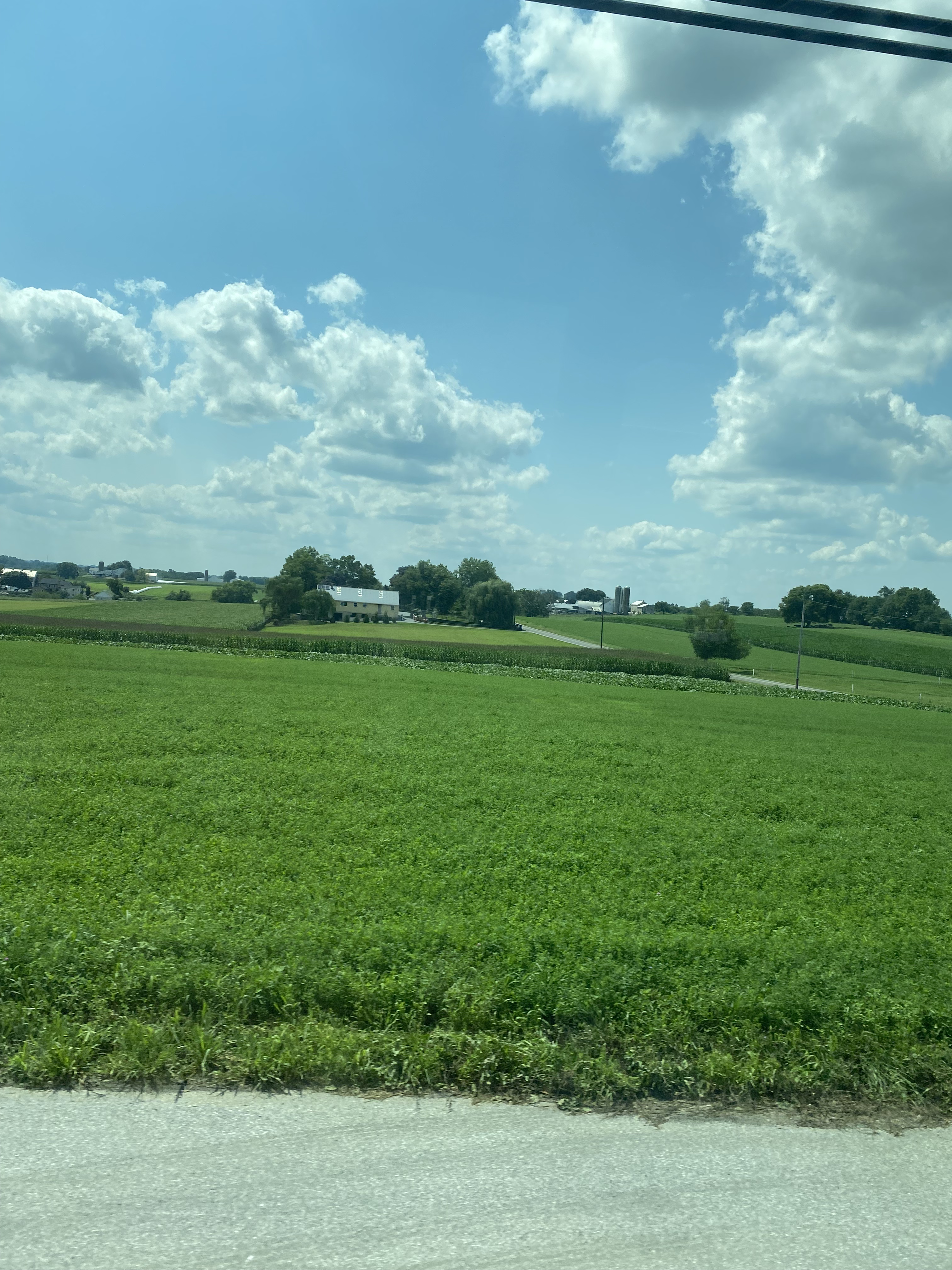
Narok has quietly become one of Kenya's most important large-scale maize frontiers. Wide, leasable blocks of land, comparatively low land costs, and good soils in the higher zones let farmers plant hundreds of acres and achieve economies of scale that are hard to match elsewhere. But Narok also demands respect: rainfall is less reliable than in the grain-basket counties, and its position around the Mara ecosystem means wildlife is a real production risk. This guide covers how to farm maize profitably in Narok while managing land leasing, weather and wildlife.
Understanding Narok's zones
Narok is a large, varied county spanning a wide altitude and rainfall gradient, so there is no single "Narok recipe" — you must match your plan to the zone.
- Higher, cooler highland zones (towards the Mau escarpment, Melili, Olokurto, parts of Narok North): higher altitude (often 1,800–2,500m), more reliable rainfall (roughly 900–1,300mm), deeper soils. These behave like grain-basket land and suit high-yielding late hybrids.
- Transitional / lower zones (towards the plains, Narok South, areas nearer the Mara): warmer, lower and more erratic rainfall (often 600–900mm), higher drought and wildlife risk. These need shorter-season, drought-escaping varieties and careful field selection.
Narok town is the commercial hub; grain also moves to and through Bomet and the wider Rift. The county's single long-rains season is the main cropping window.
County-specific challenges:
- Rainfall reliability — erratic onset and dry spells, especially in the transitional zones.
- Wildlife damage — elephants, buffalo, zebra, baboons, birds and rodents near dispersal areas and corridors.
- Land tenure and leasing — much farming is on leased land, so lease clarity and security matter.
- Distance and transport — some blocks are far from good roads and markets, adding cost.
Leasing land in Narok: do it right
Most large-scale Narok maize is grown on leased land, so the lease is the foundation of the whole venture.
- Choose the field for the season, not just the price. A cheap block in a dry, wildlife-prone area can lose you far more than the lease saving. Prioritise rainfall reliability and distance from wildlife corridors.
- Document everything. Put lease amount, exact boundaries, duration, and who bears which costs in a written agreement, ideally witnessed. Confirm the lessor's right to lease the land.
- Budget the lease as a real cost. Indicative lease rates run roughly KES 4,000–12,000 per acre per season, higher in reliable high-rainfall zones and lower in drier, riskier ones.
- Scale sensibly. Only plant the acreage you can prepare, weed, guard and harvest on time. Over-reaching on leased land is a common way to lose money.
Choosing the right variety
| Zone | Recommended maturity | Example varieties |
|---|---|---|
| Cool high-rainfall highlands | Late / medium-late | H614, H629, DK 8031 |
| Mid zones | Medium | H6213, DK 777 |
| Drier transitional zones | Medium / drought-escaping | H6213, DK 777, DH04, PAN/DK medium hybrids |
In drier zones the priority is a variety that finishes grain-filling before soil moisture runs out — an early flush of green means nothing if the crop dries up at cob-fill. Always use fresh certified seed.
Season calendar (long rains)
| Period | Activity |
|---|---|
| December–February | Secure/renew lease, primary ploughing, buy inputs |
| February–March | Harrow; dry-plant on large blocks where practised |
| March–April | Plant with first reliable rains + planting fertiliser |
| April–May | Weeding, gap-filling, scout for fall armyworm |
| ~6 weeks | Top-dressing (CAN/urea) |
| June–August | Grain filling — organise wildlife and bird guarding |
| September–October | Maturity, dry-down, harvest |
| October–December | Drying, storage and marketing |
Managing wildlife and weather risk
Wildlife is the risk that most distinguishes Narok from the northern grain basket:
- Site fields away from known corridors and dispersal areas; the safest yield is the crop the wildlife never reaches.
- Fence where feasible, and organise guarding from grain-filling through harvest — this is the period of heaviest crop-raiding.
- Use community early-warning and coordinate with neighbours.
- Report damage to the Kenya Wildlife Service and follow the compensation process; keep records and photos.
Weather risk is managed through variety choice (shorter-season in drier zones), early land prep and dry-planting so the crop uses every drop of the rains, conservation practices that retain soil moisture, and — crucially — not over-committing inputs on the driest, riskiest fields.
Fertiliser and agronomy
- At planting: ~50kg DAP or NPK per acre placed with the seed (lighter rates are sometimes used on drier, lower-yield-potential blocks).
- Top-dress at knee-high: ~50kg CAN or urea when there is adequate soil moisture — never top-dress into dry soil.
- Spacing: 75cm rows × 25–30cm within-row for a full stand; some drier zones widen slightly to reduce moisture competition.
- Weeds: Pre-emergence herbicide plus timely weeding is efficient across large acreages.
- Pests: Scout and control fall armyworm and stalk borer early.
Indicative costs and returns (per acre, 2026)
Indicative ranges only — Narok's spread of zones means real figures vary widely with rainfall, wildlife risk and distance to market.
| Item | Indicative KES per acre |
|---|---|
| Land lease | 4,000–12,000 |
| Land prep (plough + harrow) | 4,000–7,000 |
| Certified seed (10kg) | 3,500–5,500 |
| Fertiliser (DAP/NPK + CAN/urea) | 9,000–18,000 |
| Herbicide + pesticide | 3,000–6,000 |
| Weeding + guarding labour | 4,000–9,000 |
| Harvest, shelling, drying, bags | 5,000–9,000 |
| Total variable cost | ~32,000–66,000 |
| Yield (well managed) | 18–32 bags (90kg) |
| Farm-gate price (indicative) | KES 3,500–5,000 / 90kg bag |
| Gross revenue | ~63,000–160,000 |
| Indicative gross margin | ~20,000–95,000 |
Narok's returns are more variable than the northern counties — the upside from cheap, large-scale land is real, but so is the downside from a dry season or a wildlife-hit block. Spreading risk across fields and zones, and not over-committing on the riskiest land, is how experienced Narok farmers stay profitable across seasons.
Harvesting, drying, storage and selling
Harvest at maturity, dry grain to about 13.5% moisture, shell clean, treat with an approved protectant, and store dry so you can hold for a stronger market. Because many Narok growers operate at scale, your marketing leverage is volume:
- NCPB depots, millers, and large traders/aggregators in Narok, Bomet and the Rift.
- Cooperatives and bulking groups to negotiate on tonnage.
- Direct buyers on Agrisoko, with clear moisture and grade, to reach beyond local brokers.
Hold well-dried grain for the usual post-harvest price rise where cash flow allows, and always negotiate against the live maize price and the wider market intelligence dashboard rather than a broker's word.
Turn Narok's scale into real income with Agrisoko
Narok offers something few Kenyan counties can — the room to farm maize at scale. The growers who win are those who lease wisely, match variety to zone, guard against wildlife, and sell on volume with good information. Use Agrisoko to track current maize prices, compare buyers, and list your maize so aggregators and serious buyers compete for your grain.
Buying maize in bulk?
Get maize supplier offers
Tell us your organisation and how much you need. Agrisoko matches suppliers across Kenya at today's market price.
No account needed. Your details stay private — we broker the intro.
Turn this guide into a market decision
Check live prices, browse active supply, or look at buyer demand before you move stock.