
Sheep Farming in Kenya: Dorper Meat Sheep, Wool and Flock Economics
How to start sheep farming in Kenya — Dorper meat sheep and Merino wool breeds, housing, feeding, health, breeding, flock economics and where to sell mutton.
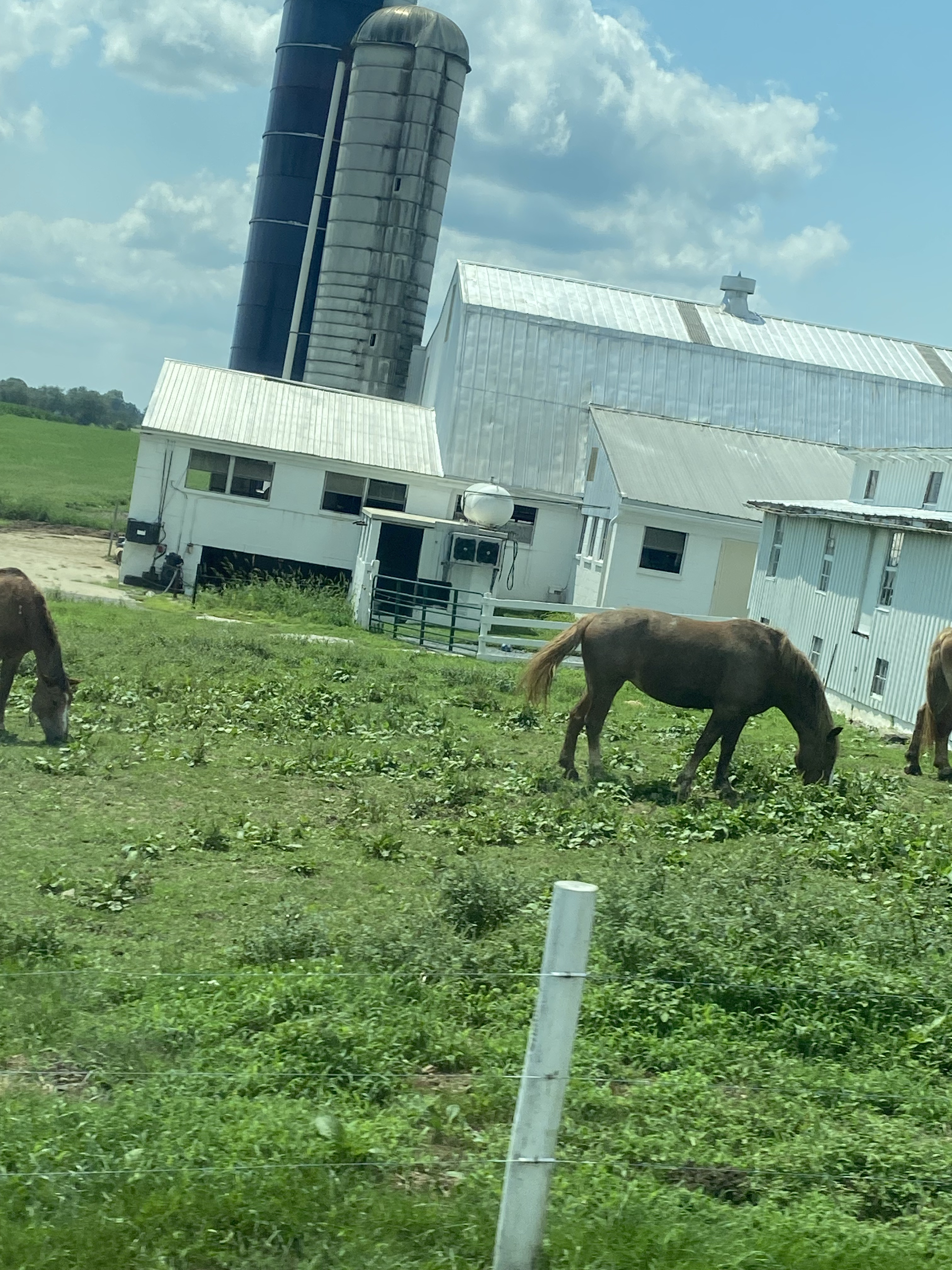
Sheep farming in Kenya is one of the most accessible and fast-returning livestock enterprises. Sheep breed quickly, need little land, tolerate a range of climates, and supply mutton that enjoys steady year-round demand with strong festive-season peaks. Whether you focus on meat with the Dorper or wool with the Merino, a small flock can multiply into reliable income within a couple of years. This guide covers breeds, housing, feeding, health, breeding, flock economics and markets.
Meat or wool? Choose your focus
Most profitable sheep farming in Kenya is meat production, driven by consistent mutton demand. Wool is a niche opportunity in cool highland zones. Decide early, because breed choice follows purpose.
Best sheep breeds for Kenya
Dorper (meat)
The leading meat sheep in Kenya — fast-growing, hardy, adaptable to dry and semi-arid zones, and a strong converter of pasture into mutton. Dorpers shed their coat, so no shearing is needed. The clear first choice for commercial meat.
Red Maasai (meat)
A tough indigenous breed with outstanding resistance to internal worms and disease — invaluable in wet, worm-prone areas and as a base for hardy crosses.
Dorper x Red Maasai (meat)
Combines Dorper growth with Red Maasai hardiness — an excellent practical cross for many Kenyan farms.
Merino and Corriedale (wool)
Best in cool highlands (parts of the Rift Valley and central highlands). They produce quality wool but need more careful management and shearing.
Housing and grazing
Sheep are hardy but suffer badly from damp and cold:
- Night shelter: dry, well-ventilated, raised or well-drained to prevent pneumonia and foot rot
- Predator protection: secure enclosure at night against dogs, hyenas and thieves
- Grazing: rotational or paddocked pasture rests the land and breaks worm cycles
- Water and shade: clean water and shade always available
On good pasture you can carry roughly 5–10 sheep per acre, more with supplementary feeding.
Feeding
- Pasture and hay: the foundation of the diet
- Fodder legumes and crop residues: boost protein cheaply
- Concentrate supplement: for lambs and pregnant or lactating ewes
- Minerals and salt lick: always available, plus clean water
Well-fed lambs and ewes grow faster and breed more reliably, so target feed at the animals that pay you back.
Health: worms come first
Internal worms are the number-one killer in Kenyan sheep, especially in wet areas and among lambs. Build the health plan around them:
- Strategic deworming: regularly, especially in the rains; rotate dewormers to avoid resistance
- Vaccination: sheep pox, PPR and others where available
- Foot care: trim and treat to prevent foot rot in wet conditions
- Orf, pneumonia, coccidiosis: watch for and treat early
- Quarantine: isolate new sheep at least two weeks before mixing
Breeding and flock growth
- Use one good ram per 25–30 ewes, unrelated to your flock to avoid inbreeding
- Aim for ewes to lamb roughly every 8 months (three lambings in two years is achievable with good management)
- Flush ewes with extra feed before mating and feed well in late pregnancy
- Keep and grow your best ewe lambs; cull poor performers
This fast breeding is what makes sheep multiply quickly into income.
Flock economics
Indicative meat-flock budget (starter flock: 20 ewes + 1 ram)
| Item | Indicative figure (KES) |
|---|---|
| 20 breeding ewes (Dorper/cross) | 120,000–200,000 |
| 1 quality ram | 15,000–35,000 |
| Housing/enclosure | 20,000–60,000 |
| Annual feed supplement + minerals | 40,000–70,000 |
| Annual health (dewormer, vaccines) | 8,000–15,000 |
| Annual lamb output (~25–30 lambs sold) | 150,000–300,000 |
Indicative 2025/2026 ranges; prices vary by region, breed quality and season — confirm current rates before budgeting.
With good management, a 20-ewe flock produces around 25–30 lambs a year, and each lamb finishing at 30–40 kg can sell for KES 6,000–12,000+, especially during festive peaks.
Markets: where and how to sell
Mutton demand is steady and spikes during festive seasons:
- Livestock markets: move numbers and set the going rate
- Butcheries and meat traders: steady buyers near towns
- Hotels and institutions: pay well for consistent quality
- Direct to households: strongest around Christmas, Easter and Eid, when mutton prices peak
Time your sales for festive demand and negotiate on live weight per kilo rather than by the eye. Track prevailing livestock prices on Agrisoko's market intelligence hub and compare the goats and small-stock price page as a benchmark for small ruminant demand before you sell.
Records that pay
Simple records turn a flock from a guessing game into a business. Record every ewe's lambing dates, litter size and lamb growth, ram service dates, deworming and treatments. Within a year you will see which ewes lamb reliably, raise twins and wean heavy lambs — and which repeatedly bring weak, slow-growing singles. Keep and breed from the best, and cull the poor performers rather than feeding them for years. Records also tell you the exact weeks each lamb is ready for market, so you neither sell underweight nor waste feed finishing an animal past its profitable point.
Common mistakes to avoid
- Ignoring worms: the single biggest killer; a lax deworming routine quietly destroys lamb growth and margins
- Wet, cold housing: causes pneumonia and foot rot — keep shelters dry, raised and airy
- Keeping a related ram: inbreeding shrinks and weakens the flock over time
- Overstocking pasture: worsens worms and starves the flock — match numbers to grazing
- Selling by the eye: always weigh and negotiate on live weight per kilo
- Missing festive windows: the same lamb sells for far more at Christmas, Easter or Eid than in a quiet month
A note on wool
For farmers in the cool highlands, Merino and Corriedale wool is a genuine secondary income, but it is a specialist path. Wool sheep need more careful management, regular shearing, and access to buyers or a wool board channel. For most Kenyan farmers, meat remains the more reliable and lower-management route, with wool best considered once you have mastered the basics of flock health and breeding.
Get started with Agrisoko
Sheep farming rewards farmers who pick a hardy meat breed, control worms, breed fast and sell into festive demand. It is a low-land, fast-multiplying enterprise ideal for smallholders. Ready to buy Dorper breeding stock, source feed and animal health inputs, or reach mutton buyers? Check current rates on our market intelligence pages and list your sheep for sale on Agrisoko to reach traders, butcheries and households across Kenya.
Turn this guide into a market decision
Check live prices, browse active supply, or look at buyer demand before you move stock.