
Beef Cattle Farming in Kenya: Breeds, Fattening and Markets
How to start beef cattle farming in Kenya — Boran and Sahiwal breeds, ranching versus feedlot fattening, feed budgets, health, and where to sell beef cattle.
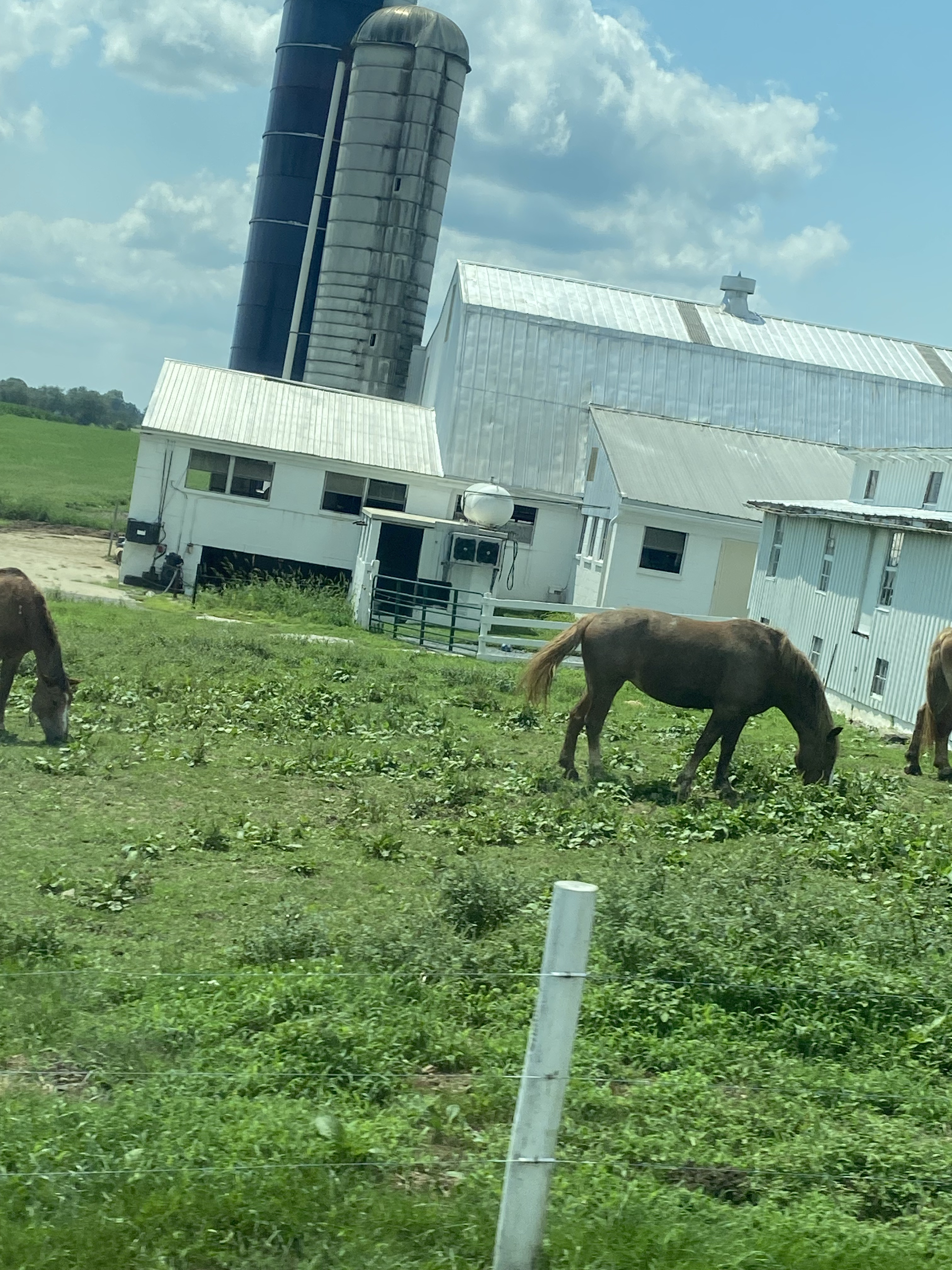
Beef cattle farming in Kenya turns rangeland, crop residues and grain into one of the country's most sought-after products — red meat. Demand for beef is large and growing across Kenyan towns and cities, and the industry spans everything from vast ranches in the arid and semi-arid lands (ASALs) to small feedlots that finish a handful of steers for a quick margin. This guide covers the best breeds, the ranching-versus-fattening choice, feed budgets, health and where to sell.
Two ways to farm beef in Kenya
Extensive ranching
Ranching uses large tracts of rangeland — common in Laikipia, Kajiado, Narok, Taita Taveta and the northern ASALs — to breed and grow cattle cheaply on natural pasture. Inputs per animal are low, but you need land, water and patience: animals often take 2.5–4 years to reach slaughter weight. Ranching suits those with grazing land and a long horizon.
Feedlot fattening
Fattening buys lean, "store" cattle and finishes them intensively on a high-energy ration for 90–120 days, adding roughly 100–150 kg before sale. It needs far less land but more capital and feeding skill. The margin comes from buying store animals cheaply, controlling feed cost, achieving strong daily gains and selling at a firm price. Many Kenyan entrepreneurs run small feedlots near towns, buying from ASAL markets and selling to urban butcheries and abattoirs.
Best beef breeds for Kenya
Boran
Kenya's flagship beef breed — hardy, heat-tolerant, disease- and tick-resistant, and an efficient converter of poor pasture into quality beef. Improved Boran is prized on ranches and by export-oriented buyers.
Sahiwal
A robust dual-purpose breed, tolerant of heat and drought, good for both beef and milk in a herd.
Exotic crosses
Boran or Sahiwal crossed with Charolais, Simmental or Angus grow faster and yield heavier carcasses — ideal for feedlots where feed is controlled.
Improved indigenous Zebu
Small but extremely hardy; fattens acceptably on modest feed and suits low-input systems.
Housing, land and handling
- Ranching: paddocked grazing to rest pastures, reliable water points, and a crush for vaccination and treatment.
- Feedlot: roofed or shaded pens, feed and water troughs, a feed store, and a quarantine pen for new arrivals.
- Both systems need clean water, shade against heat stress, and secure handling facilities.
Feeding for weight gain
Roughage builds the frame; energy and protein add finishing weight.
- Roughage: natural pasture, Rhodes/Boma hay, maize stover, or silage.
- Energy: maize germ, hominy chop, molasses.
- Protein: cottonseed, sunflower or canola cake.
- Minerals: a beef mineral/salt supplement at all times.
Introduce concentrates gradually over 1–2 weeks to avoid acidosis, and keep water constant.
Indicative feedlot fattening budget (per steer, ~100-day finish)
| Item | Indicative cost (KES) |
|---|---|
| Store steer (purchase) | 45,000–70,000 |
| Feed (roughage + concentrate, ~100 days) | 18,000–30,000 |
| Health (vaccines, dewormer, acaricide) | 1,500–3,000 |
| Labour and water (share) | 3,000–6,000 |
| Total cost per steer | ~67,500–109,000 |
| Sale (finished, live weight) | 85,000–140,000 |
| Indicative margin per steer | ~15,000–40,000 |
All figures are indicative 2025/2026 ranges and swing with maize prices and cattle supply — confirm current rates before committing.
Health and vaccination
Disease can wipe out a fattening margin overnight. Follow a firm calendar:
- FMD: as scheduled (often every 6 months in risk zones)
- Lumpy Skin Disease: annually
- Anthrax and Blackquarter: annual combined vaccine
- East Coast Fever: immunise; control ticks weekly by spraying or dipping
- Deworming: on entry and regularly
- Quarantine: isolate every new animal at least two weeks
Clean water and shade also reduce stress-driven losses.
Records and weighing
Record each animal's purchase weight and price, feed use, treatments and daily gain. Use a scale or weigh band to track progress — this tells you whether the ration is paying and pinpoints the exact day an animal hits target weight. Selling too early leaves money on the table; feeding past the profitable point burns feed for little gain.
Markets: where and how to sell beef cattle
Kenya's beef demand is deep, and choosing the right channel protects your price.
- Livestock markets: ASAL and central market hubs move large numbers; good for buying stores and selling finished stock.
- Butcheries and meat traders: steady buyers near towns.
- Abattoirs and processors: buy in volume, often on dressed weight.
- Hotels and institutions: pay well for consistent quality.
- Export-oriented buyers: prize quality Boran and well-finished cattle.
Sell on live or dressed weight at a known price per kilo rather than by the eye — this is the single biggest protection against being underpaid. Track prevailing prices through Agrisoko's market intelligence hub and compare rates before you sell.
Simple economics and strategy
The winning beef strategy in Kenya is usually to buy low from ASAL markets, feed efficiently, and sell into urban demand at a firm per-kilo price. Keep the finishing window tight (90–120 days), hit daily gains around 1–1.5 kg, and time sales to periods of strong demand — festive seasons, Ramadan and Christmas — when prices firm up.
Common mistakes to avoid
- Overpaying for store cattle: the buying price sets your ceiling — thin margins start with expensive stores
- No quarantine: one diseased new animal can infect the whole feedlot
- Rushing onto concentrates: sudden high-grain feeding causes acidosis and losses; introduce feed gradually
- Not weighing: without weights you cannot tell if the ration is paying or when to sell
- Selling by the eye: always negotiate on live or dressed weight per kilo
- Ignoring the calendar: selling into weak demand instead of festive peaks leaves real money on the table
Timing the market
Beef prices in Kenya firm up around festive and religious seasons — the December holidays, Christmas, Easter and Ramadan/Eid — when consumption of red meat rises. A feedlot operator who buys stores after the dry season, when animals are cheap and thin, and finishes them to hit these demand peaks captures both a low buying price and a high selling price. Plan your 90–120 day finishing cycle backwards from the season you want to sell into, and keep an eye on cattle and feed prices so you buy and sell at the right moments.
Get started with Agrisoko
Beef cattle farming rewards farmers who match breed to system, feed efficiently and sell smart. Whether you are ranching Boran on rangeland or running a small feedlot near town, the fundamentals are the same: cheap gains and a firm selling price. Ready to source store cattle, feed and animal health inputs, or reach beef buyers? Check current rates on our market intelligence pages and list your cattle for sale on Agrisoko to reach traders, butcheries and abattoirs across Kenya.
Turn this guide into a market decision
Check live prices, browse active supply, or look at buyer demand before you move stock.