
Pasture and Hay Farming in Kenya: Boma Rhodes, Lucerne, and Hay as a Business
How to grow pasture and make hay profitably in Kenya — Boma Rhodes and lucerne, baling, storage, dairy demand, and the real margins of hay as a business.
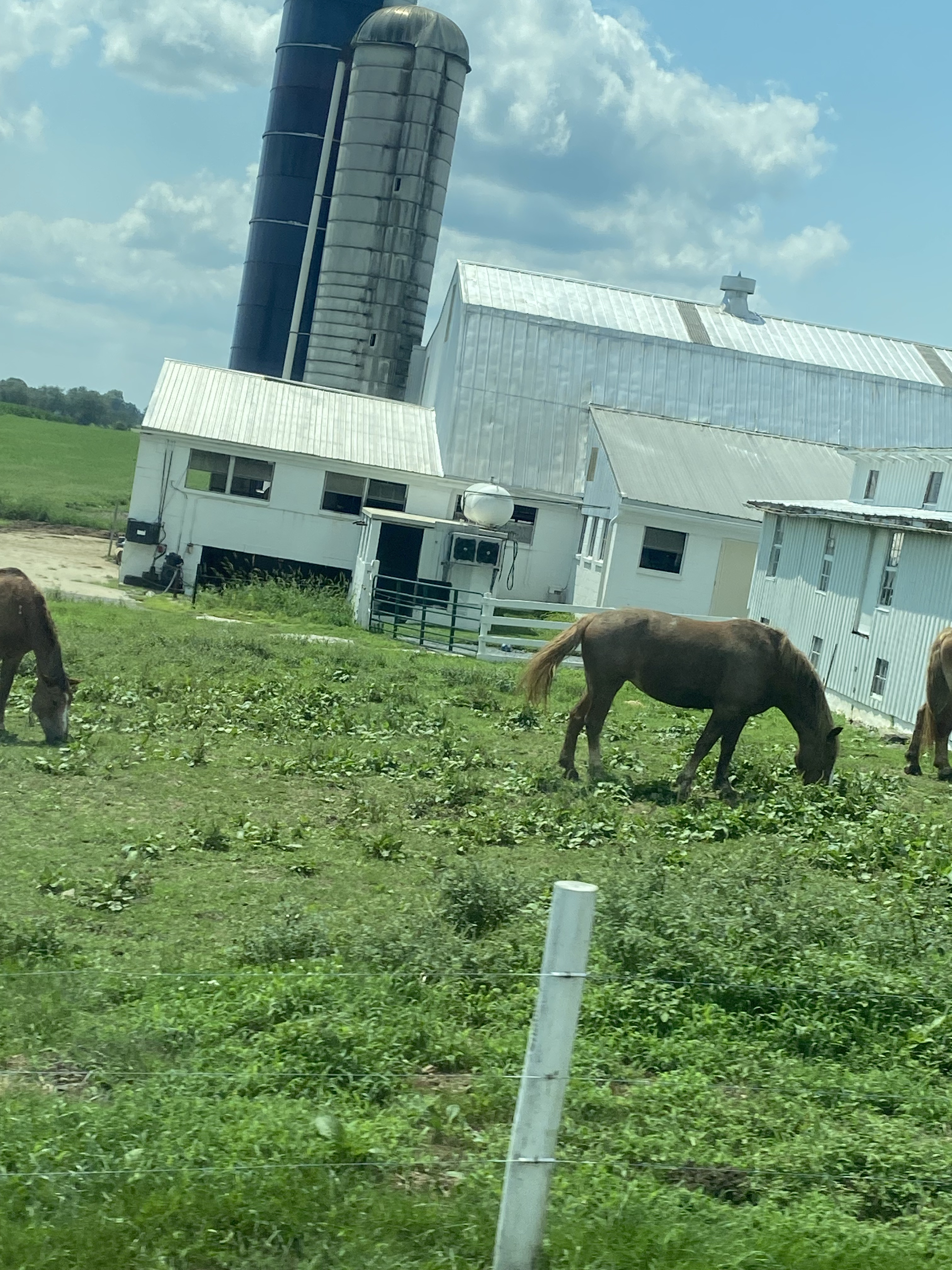
Pasture and hay farming in Kenya has quietly become one of the most dependable agribusinesses, driven by a simple reality: the country's growing dairy herd needs feed, and natural grazing collapses every dry season. A farmer who grows good pasture, makes quality hay, and — most importantly — stores it to sell when prices peak can earn a steady, reliable income. This guide covers the best pasture species, how to establish and cut them, baling and storage, and the real economics of running hay as a business.
Why hay is a real business, not a sideline
Three things make hay attractive:
- Structural demand. Kenya's dairy sector is large and expanding, and every dry season creates a fodder shortage that hay fills.
- Storability. Unlike milk or vegetables, well-cured hay keeps for months, so you sell on your timing, not the buyer's.
- Price swings you can exploit. Hay is cheap at harvest and expensive in drought. Storage turns that swing into profit.
The farmers who lose money are those who sell bales straight off the field at the bottom of the price cycle. The ones who profit cut, cure, store, and sell into the dry-season peak.
Choosing your pasture
| Pasture | Type | Strength | Best for |
|---|---|---|---|
| Boma Rhodes | Grass | Reliable, high-yielding, strong hay market | Commercial hay in most medium-rainfall zones |
| Lucerne (alfalfa) | Legume | Very high protein, premium price | High-value dairy fodder, irrigated plots |
| Napier / fodder grasses | Grass | High biomass for fresh cut-and-carry | On-farm dairy feeding, not baled hay |
| Grass–legume mixes | Mixed | Balanced protein and bulk | Improved grazing and quality hay |
Boma Rhodes is the backbone of the Kenyan hay trade — it establishes well, cures reliably, and has a ready market. Lucerne is the premium play: high in protein, valued by serious dairy farmers, and worth more per bale, but it needs better management and ideally irrigation. Many commercial growers run Boma Rhodes for volume and add lucerne for margin.
Where hay does well
Hay and pasture are grown widely, but strong zones include the medium-rainfall areas of Nakuru, Laikipia, Narok, Uasin Gishu, Nyandarua, Machakos, and Kajiado, and irrigated plots in drier counties. Boma Rhodes thrives at roughly 600–1,000 mm rainfall; lucerne rewards irrigation in warmer, well-drained areas. Proximity to dairy zones and good roads lowers transport cost and widens your market.
Establishing pasture
- Seedbed: Grass seed is tiny — plough, harrow, and firm the soil to a fine, weed-free bed, and plant shallowly.
- Planting: Broadcast or drill at the onset of reliable rains; press or lightly cover the seed.
- Fertiliser: Apply phosphate at establishment; top-dress with nitrogen (e.g. CAN) after each cut to drive regrowth and protein.
- Weeding: Keep the young stand clean — weeds outcompete slow-establishing grass and downgrade hay quality.
A well-established Boma Rhodes field lasts several years with proper fertilising and rest between cuts.
Cutting, curing, and baling
Timing is everything for quality:
- Cut at early flowering (about 10% flowering for Boma Rhodes). Earlier means less yield; later means stemmy, low-protein hay that buyers discount.
- Cure in the field for 2–4 dry days, turning the swath so it dries evenly.
- Bale when dry enough to store without heating or moulding — baling too wet causes rot and even fire risk in the stack.
Baling is done with a hand baler (cheap, labour-intensive, good for small growers) or a motorised/tractor baler (fast, needed at scale). Many farmers hire a baler per season or share one through a group.
Storage: where the profit is made
This is the difference between a good year and a poor one. Store bales:
- Off the ground on pallets or timber to stop moisture wicking up.
- Under cover — a hay barn, roofed structure, or well-secured tarpaulin.
- With airflow so any residual moisture escapes rather than causing mould.
Good storage keeps hay saleable for many months, letting you hold stock until the dry-season price peak rather than selling into a glut at harvest.
The economics of hay
Costs and returns vary with land, rainfall, and whether you own or hire a baler.
| Item | Indicative per acre (KES) |
|---|---|
| Land prep and seed (establishment year) | 8,000–18,000 |
| Fertiliser (establishment + top-dress) | 6,000–12,000 |
| Weeding and management | 3,000–7,000 |
| Cutting, curing, baling | Often KES 30–70 per bale |
| Revenue | 150–400 bales/cut, multiple cuts/year |
Because establishment is a one-off cost spread over several years of cutting, mature pasture becomes low-cost to run. With bale prices rising sharply in droughts, a farmer who stores well can earn substantially more than the harvest-time price. Compare current fodder demand and prices on Agrisoko market intelligence before deciding when to sell.
Selling hay
- Dairy farmers — the core market; quality, leafy, green hay commands the best price.
- Feed suppliers and agrovets — buy in bulk to resell.
- Ranches and pastoralists — large dry-season buyers.
- Bulk buyers on Agrisoko — list your bales with quantity, grass type, and quality to reach volume buyers directly.
State the grass type, cutting stage, and bale weight clearly — informed dairy buyers pay more for hay they can trust.
Common mistakes to avoid
- Selling straight off the field at the bottom of the price cycle.
- Cutting too late, producing stemmy, low-value hay.
- Baling wet hay, which moulds and can heat dangerously in storage.
- Storing on bare ground and in the open, spoiling the crop before you sell.
Key takeaways
- Hay is a reliable agribusiness built on Kenya's growing dairy demand and dry-season fodder shortages.
- Boma Rhodes is the market backbone; lucerne earns a protein premium where you can irrigate.
- Cut at early flowering, cure properly, and bale dry for quality that sells.
- Storage is where the profit is — hold stock for the dry-season price peak.
- Read more on Agrisoko Learn, check fodder prices on market intelligence, and list your hay to reach dairy buyers directly.
Agrisoko links hay growers with dairy farmers and feed buyers across Kenya. List your bales on Agrisoko and sell into every dry-season peak.
Buying milk in bulk?
Get milk supplier offers
Tell us your organisation and how much you need. Agrisoko matches suppliers across Kenya at today's market price.
No account needed. Your details stay private — we broker the intro.
Turn this guide into a market decision
Check live prices, browse active supply, or look at buyer demand before you move stock.