
Wheat Farming in Narok & Kenya (2026): Varieties, Miller Contracts & Mechanisation
Grow wheat profitably in Narok and Kenya: best rust-resistant varieties, mechanised production, per-acre costs and returns, and securing miller contracts.
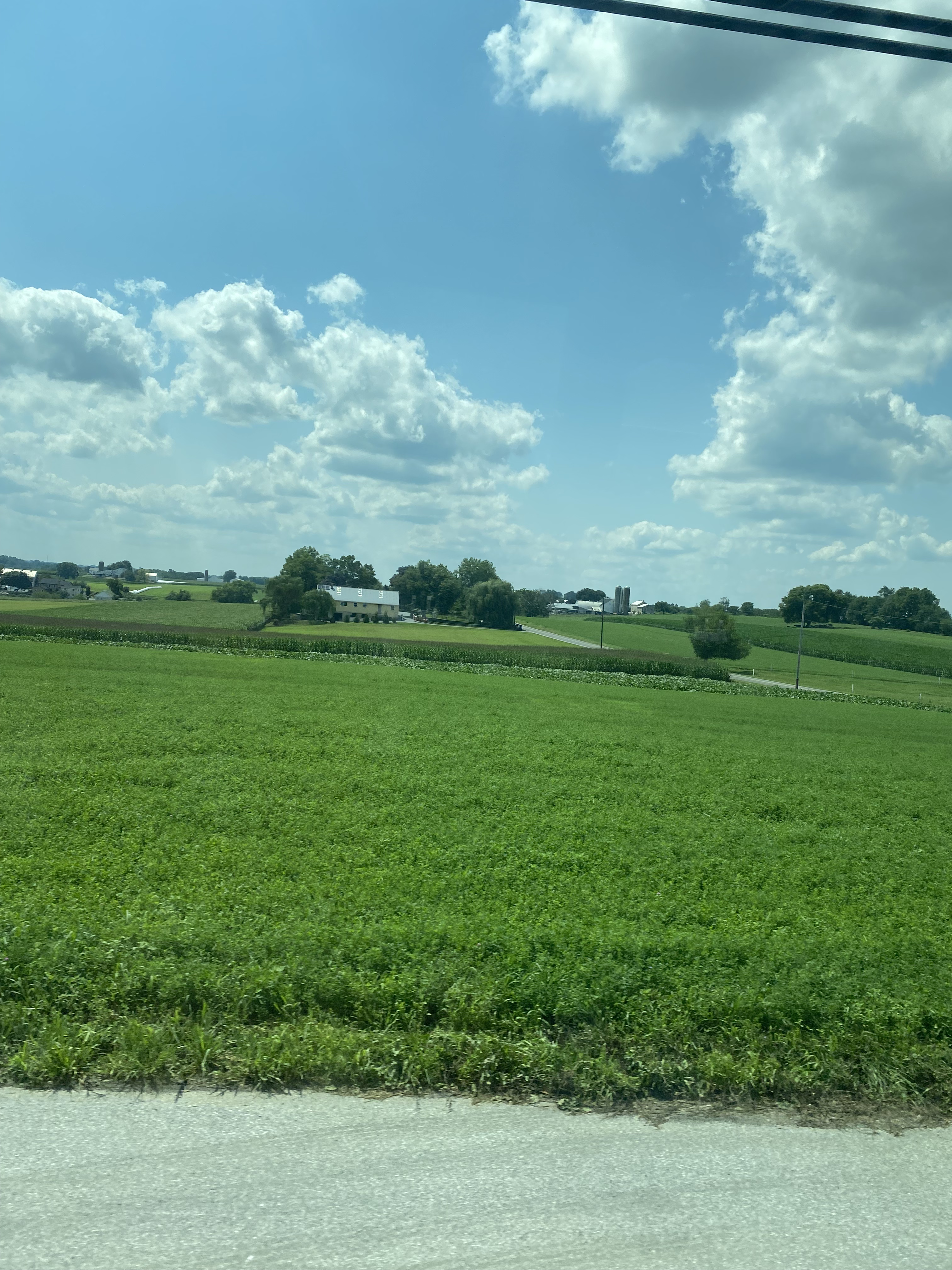
Wheat is Kenya's second most important cereal after maize, and demand far outstrips local supply — the country imports a large share of what it consumes. That gap is exactly why wheat farming in Narok, one of the nation's leading wheat counties, remains an attractive commercial venture. Narok's high-altitude plains, large leasable blocks and suitability for full mechanisation make it a natural home for wheat. This guide covers growing wheat profitably in Narok and across Kenya — from variety choice and rust control to securing contracts with millers.
Why Narok is a leading wheat county
Narok's higher zones — around Narok North, Olokurto, Melili and the areas rising toward the Mau — offer the cool temperatures, altitude (often 1,800–2,500m) and reasonably reliable rainfall that wheat needs. The terrain is well suited to tractors, seed drills, boom sprayers and combine harvesters, so wheat here is a mechanised, large-acreage crop grown much like it is in Timau (Meru), Mau Narok (Nakuru) and Uasin Gishu.
Wheat prefers a season where it germinates into good moisture and then matures into drier weather, which allows clean harvest and good grain quality. Narok's long-rains pattern can deliver this in the right zones, though rainfall reliability varies and drier blocks carry more risk.
County-specific challenges:
- Rainfall variability — dry spells at critical stages cut yield sharply.
- Wheat rust — the perennial disease threat, with evolving races.
- Wildlife near the Mara ecosystem can damage crops.
- Leasing and scale — much wheat is grown on leased land, so lease clarity and machinery access matter.
Choosing rust-resistant varieties
Variety choice in wheat is dominated by one thing: rust resistance. Stem, yellow (stripe) and leaf rust are the biggest yield destroyers, and new races periodically overcome older resistant varieties. Plant current KALRO-released, rust-resistant certified varieties matched to your altitude, and rotate varieties season to season.
| Variety (indicative) | Notable trait | Notes |
|---|---|---|
| Robin | Good rust resistance, widely grown | A long-standing popular choice |
| Eagle10 | Strong yield potential | Match to altitude and rust status |
| Kingbird | Rust resistance, adaptability | Widely recommended |
| Njoro-series / newer releases | Current rust packages | Check the latest KALRO recommendations |
Because the rust situation changes, confirm the current recommended, rust-resistant varieties with KALRO/your agro-dealer before buying, and always use fresh certified seed — recycled wheat seed loses purity and yield.
Season calendar (Narok long rains)
| Period | Activity |
|---|---|
| December–February | Land prep (plough + harrow), secure lease, buy certified seed |
| March–April/May | Drill seed with planting fertiliser into good moisture |
| ~3–4 weeks | Weed control (herbicide), first scouting |
| Tillering | Nitrogen top-dress; begin rust scouting |
| Booting–heading | Fungicide as needed; monitor rust closely |
| Grain filling | Guard against wildlife/birds where relevant |
| Maturity (drier weather) | Combine harvest, clean and dry grain |
| Post-harvest | Grade, store, deliver to contract or market |
Land preparation, planting and seed rate
Wheat is sown at high density, so the seedbed must be fine, firm, level and weed-free:
- Plough and harrow in the dry season to a good tilth.
- Drill the seed with a seed drill for even depth and spacing — broadcasting wastes seed and gives uneven stands.
- Seed rate: commonly around 40–50kg per acre, adjusted for variety, seedbed and conditions, to achieve a dense, competitive stand.
- Planting fertiliser: apply DAP or a compound NPK at drilling.
Fertiliser and weed control
- At planting: DAP/NPK placed with the seed.
- Top-dress: nitrogen (CAN or urea) at tillering when moisture is adequate to build tillers and grain.
- Weeds: wheat competes poorly early, so apply recommended selective herbicides to control broadleaf and grass weeds — a weedy wheat field loses both yield and grain quality.
Rust and disease management
Rust management is the make-or-break of Kenyan wheat:
- Start with current rust-resistant certified varieties and rotate them.
- Scout from tillering onward, checking leaves and stems for the characteristic pustules.
- Apply recommended fungicides preventively in high-risk seasons or at first sign of infection, and follow up as pressure dictates.
- Also watch for Fusarium head blight, septoria and aphids, and manage as needed.
Mechanisation: the wheat advantage
Wheat rewards scale and precision. Mechanising lets you hit tight windows and cut cost per acre:
- Seed drills for uniform, high-density planting.
- Boom sprayers for timely herbicide and fungicide across large fields.
- Combine harvesters for fast, clean harvest as the crop dries down — critical for grain quality and beating late rain.
If you don't own machinery, hiring is well established in Narok's wheat zones — but book combines early, as harvest windows are short and demand peaks.
Indicative costs and returns (per acre, 2026)
Indicative ranges only; wheat economics swing with rainfall, rust pressure, fuel, input prices and selling terms.
| Item | Indicative KES per acre |
|---|---|
| Land lease (where applicable) | 4,000–12,000 |
| Land prep (plough + harrow) | 4,000–7,000 |
| Certified seed (~45kg) | 4,500–7,500 |
| Fertiliser (DAP/NPK + CAN/urea) | 10,000–18,000 |
| Herbicide + fungicide | 4,000–9,000 |
| Drilling, spraying, harvesting (fuel + hire) | 6,000–12,000 |
| Bags, transport, cleaning | 2,500–5,000 |
| Total variable cost | ~35,000–70,000 |
| Yield (well managed, rain-fed) | 12–22 bags (90kg) |
| Farm-gate price (indicative) | KES 4,000–5,500 / 90kg bag |
| Gross revenue | ~48,000–120,000 |
| Indicative gross margin | ~15,000–70,000 |
Wheat margins per acre are tighter and more variable than they look — which is why scale, rust control and a fair selling price matter so much.
Selling wheat: miller contracts and the open market
Kenya's flour millers are the main buyers of local wheat, and demand is strong because domestic supply falls short.
- Miller contracts: Approach millers or their aggregators — often through a cooperative or large-farm group — before or early in the season. Agree on volume, quality specification (protein, moisture, hectolitre weight, cleanliness, absence of foreign matter) and price. Contracts give a guaranteed buyer and sometimes input support, but you must meet grade.
- Open market: Sell to millers, aggregators or traders when spot prices are favourable, particularly if you can clean and store grain to hold for a better window.
- Cooperatives/bulking: Grouping volume strengthens both your bargaining position and your access to contracts.
Whether on contract or open market, negotiate against current data — check the market intelligence dashboard for cereal price context and the maize price page as a reference for the wider grain market before you commit.
Grow wheat as a business with Agrisoko
Kenya needs far more wheat than it grows, and Narok is one of the best places to grow it. The farms that profit run wheat as a precise, mechanised business — rust-resistant seed, timely inputs, clean harvest, and a buyer lined up before the price falls. Use Agrisoko to track grain market prices, find and compare buyers, and list your wheat so millers and aggregators can reach you directly.
Turn this guide into a market decision
Check live prices, browse active supply, or look at buyer demand before you move stock.