
Maize Farming in Uasin Gishu (Eldoret) 2026: Mechanised Costs & Returns
Large-scale mechanised maize farming in Uasin Gishu (Eldoret), Kenya: best hybrids, 2026 per-acre costs and returns, drying and selling to millers and NCPB.
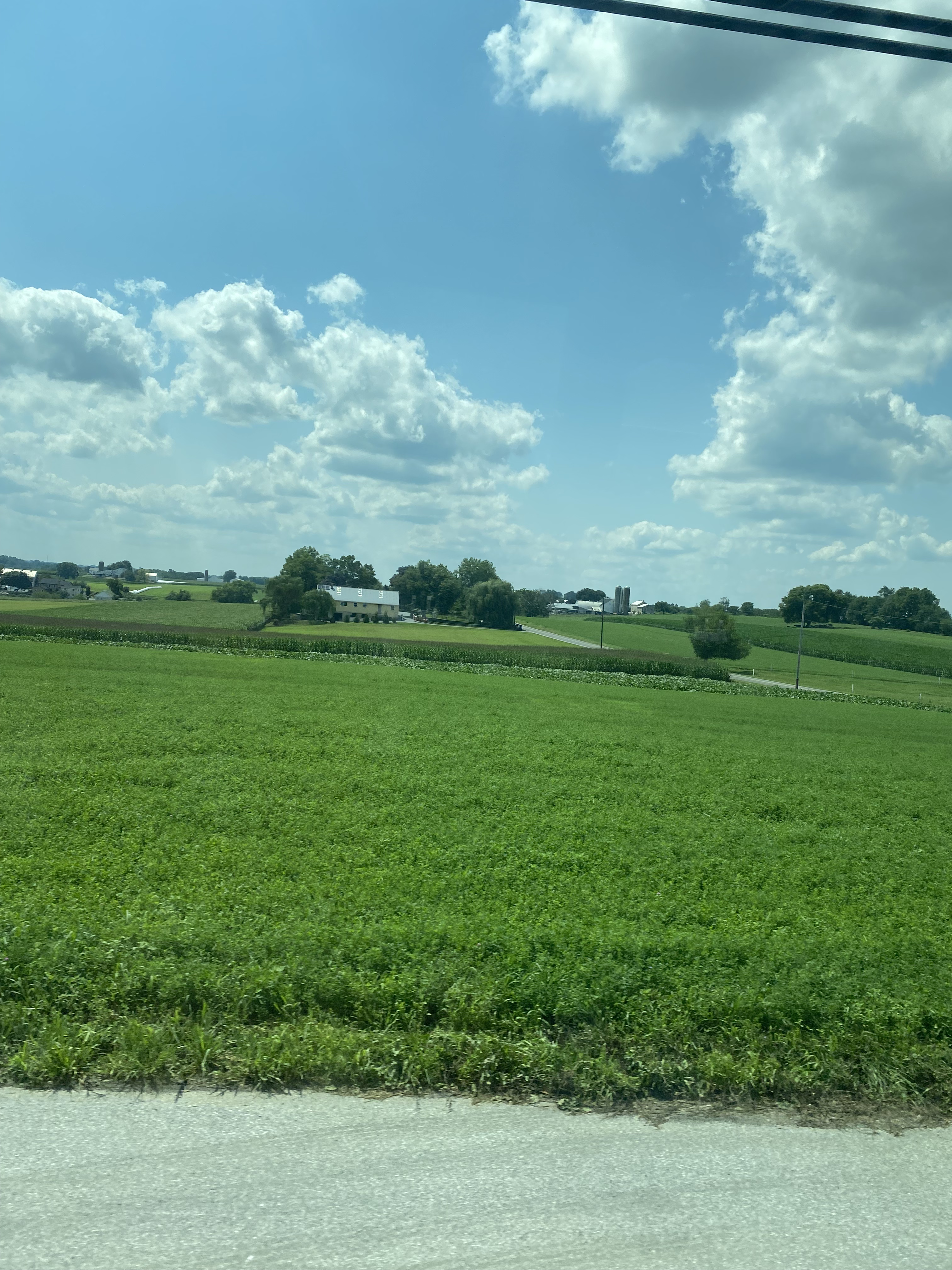
Uasin Gishu, centred on Eldoret, is one of Kenya's most important large-scale maize counties. The gently rolling Eldoret plateau, its deep soils and its long single growing season make it the natural home of mechanised, commercial maize farming. If you farm maize in Uasin Gishu — whether on 5 acres or 500 — profitability in 2026 comes down to running the crop as a business: plant on time, feed it properly, mechanise the heavy work, dry it well, and sell it strategically. This guide lays out the agronomy and the numbers.
The Eldoret plateau: why it suits mechanised maize
Uasin Gishu sits at roughly 1,900–2,700m above sea level on the high, flat-to-rolling Eldoret and Uasin Gishu plateau. The terrain is ideal for tractors, planters, boom sprayers and, on the flatter blocks, combine harvesters. Rainfall is a single long-rains season, generally 900–1,200mm building from March/April into September/October, which suits the high-yielding late-maturing hybrids.
The main maize zones spread across Soy, Turbo, Moiben, Ainabkoi, Kesses and Kapseret. Eldoret town is a major agricultural hub with seed companies, agro-dealers, numerous millers, transporters and an NCPB depot — everything a commercial grower needs within reach.
County-specific challenges:
- Soil acidity from decades of continuous maize and DAP — liming and soil testing are increasingly necessary to unlock yields.
- Fertiliser and fuel cost volatility, which hits mechanised farms hardest.
- Wet harvests that raise drying costs and aflatoxin risk.
- Fall armyworm, stalk borer, grey leaf spot and MLN as the main pest/disease pressures.
Choosing the right variety
Match maturity to your altitude and season length.
| Variety | Maturity | Best-suited zone | Notes |
|---|---|---|---|
| H614 | Late (~6 months) | High, long-season plateau | Top yield potential where the season is long |
| H629 | Late | High, long-season | Good standability and yield |
| DK 8031 / DK 90-89 | Late/medium-late | High to mid altitude | Vigorous and widely grown |
| Pioneer / PAN long-season | Late | High altitude | Match the maturity rating to your block |
| H6213 | Medium | Shorter/warmer pockets | Safer if planting is late |
| DK 777 | Medium | Mid altitude | Reliable all-rounder |
Use fresh certified seed every season — recycling hybrid seed is the fastest way to lose yield on a commercial farm.
Long-rains season calendar
| Period | Activity |
|---|---|
| December–February | Soil testing, liming, primary ploughing/ripping, bulk-buy inputs |
| Mid-March–April | Harrow and plant with first reliable rains + planting fertiliser |
| April–May | Pre-emergence herbicide, first weeding, gap-filling, scout pests |
| ~6 weeks (knee-high) | First top-dressing (CAN/urea) |
| Before tasseling | Second top-dress on strong crops; disease scouting |
| June–August | Grain filling; monitor pests and disease |
| September–October | Maturity, dry-down, harvest |
| October–December | Drying, shelling, storage, marketing |
Mechanisation: the Uasin Gishu advantage
Scale is what makes Uasin Gishu maize competitive. Mechanising the heavy operations spreads fixed costs and, critically, lets you hit tight planting and spraying windows across large acreages:
- Land prep: Disc plough and offset harrow; rip continuously cropped fields to break hardpan and improve rooting.
- Planting: Tractor-mounted planters place seed and fertiliser at uniform depth and spacing — a full, even stand is the base of high yield.
- Spraying: A boom sprayer makes timely whole-field weed and fall armyworm control practical.
- Harvesting: Combine harvesters on flat blocks cut labour and speed up harvest before rains, though they need dry standing crop and good grain-loss settings.
If you do not own machinery, hiring is well established around Eldoret. Book tractors and combines early — during peak windows they are fully committed.
Fertiliser program
A typical per-acre program on the plateau:
- At planting: ~50kg DAP or a compound NPK, placed with the seed.
- First top-dress (knee-high, ~6 weeks): ~50kg CAN or urea.
- Second top-dress (before tasseling) on strong crops: a further 25–50kg CAN/urea.
Register early for the government subsidised fertiliser programme through your ward office where available — at scale the saving is significant. Soil-test to avoid wasting fertiliser on already-adequate nutrients and to catch acidity that needs lime.
Indicative costs and returns (per acre, 2026)
These are indicative ranges that vary with scale, machinery ownership, input prices and season. Treat them as a planning tool.
| Item | Indicative KES per acre |
|---|---|
| Land prep (plough + harrow, or ripping) | 4,500–8,000 |
| Certified seed (10kg) | 3,500–5,500 |
| Fertiliser (DAP/NPK + CAN/urea) | 12,000–20,000 |
| Herbicide + pesticide | 3,000–6,000 |
| Mechanised planting/spraying (fuel + hire) | 2,000–5,000 |
| Harvesting, shelling, drying, bags | 5,000–10,000 |
| Total variable cost | ~30,000–55,000 |
| Yield (well managed) | 25–35 bags (90kg) |
| Farm-gate price (indicative) | KES 3,500–5,000 / 90kg bag |
| Gross revenue | ~90,000–160,000 |
| Indicative gross margin | ~40,000–110,000 |
On large acreages, small per-acre improvements — an extra 3–4 bags from better fertiliser timing, or KES 300–500 more per bag from better marketing — multiply into serious money. That is where commercial growers make their real returns.
Pests, diseases and weeds
- Fall armyworm: Scout from emergence and treat the whorl early; rotate active ingredients.
- Stalk borer: Field hygiene and timely control; destroy residues that harbour larvae.
- Grey leaf spot / MLN: Choose tolerant varieties and rotate with legumes (beans, soya) to break disease cycles.
- Weeds: Pre-emergence herbicide plus timely weeding; keep the crop clean for the first 6 weeks.
Harvesting, drying and storage
The Eldoret harvest frequently overlaps with wet weather, so drying capacity is a competitive edge. Dry grain to about 13.5% moisture using mechanical dryers or good drying floors before storage. Poorly dried grain moulds, loses weight-for-quality value, and gets rejected for aflatoxin by NCPB and reputable millers. Shell clean, treat with an approved protectant, and store dry in well-ventilated or hermetic bags. Good storage lets you hold grain for the seasonal price rise that usually follows harvest.
Where and how to sell
- NCPB (Eldoret depot): Gazetted price, standard bags, quality checks; register early and plan for payment timing.
- Millers: Eldoret hosts many millers who buy for quick cash — convenient, usually below the price you'd get by holding.
- Aggregators and cooperatives: Bulking improves bargaining power and access to structured buyers and contracts.
- Direct buyers on Agrisoko: List your grain with clear moisture and grade and reach buyers beyond the local broker.
The strongest strategy is to split the crop: sell a share at harvest for cash flow and hold the rest in good storage for a better price. Always negotiate against the live maize price and the wider market intelligence dashboard.
Grow it big, sell it smart with Agrisoko
Uasin Gishu can grow maize as well as anywhere in Kenya. The farms that thrive in 2026 are the ones that treat marketing as seriously as agronomy. Use Agrisoko to follow current maize prices, compare buyers, and list your maize so millers, aggregators and serious buyers come to you — instead of you taking the first offer at the farm gate.
Buying maize in bulk?
Get maize supplier offers
Tell us your organisation and how much you need. Agrisoko matches suppliers across Kenya at today's market price.
No account needed. Your details stay private — we broker the intro.
Turn this guide into a market decision
Check live prices, browse active supply, or look at buyer demand before you move stock.