
Farming in Eastern Kenya: Drought Crops, Green Grams, Mango and Dairy Goats in Machakos, Makueni, Kitui, Meru and Embu
Guide to farming in Eastern Kenya — Machakos, Makueni, Kitui, Meru and Embu. Drought crops, green grams, mango, dairy goats, markets and opportunities.
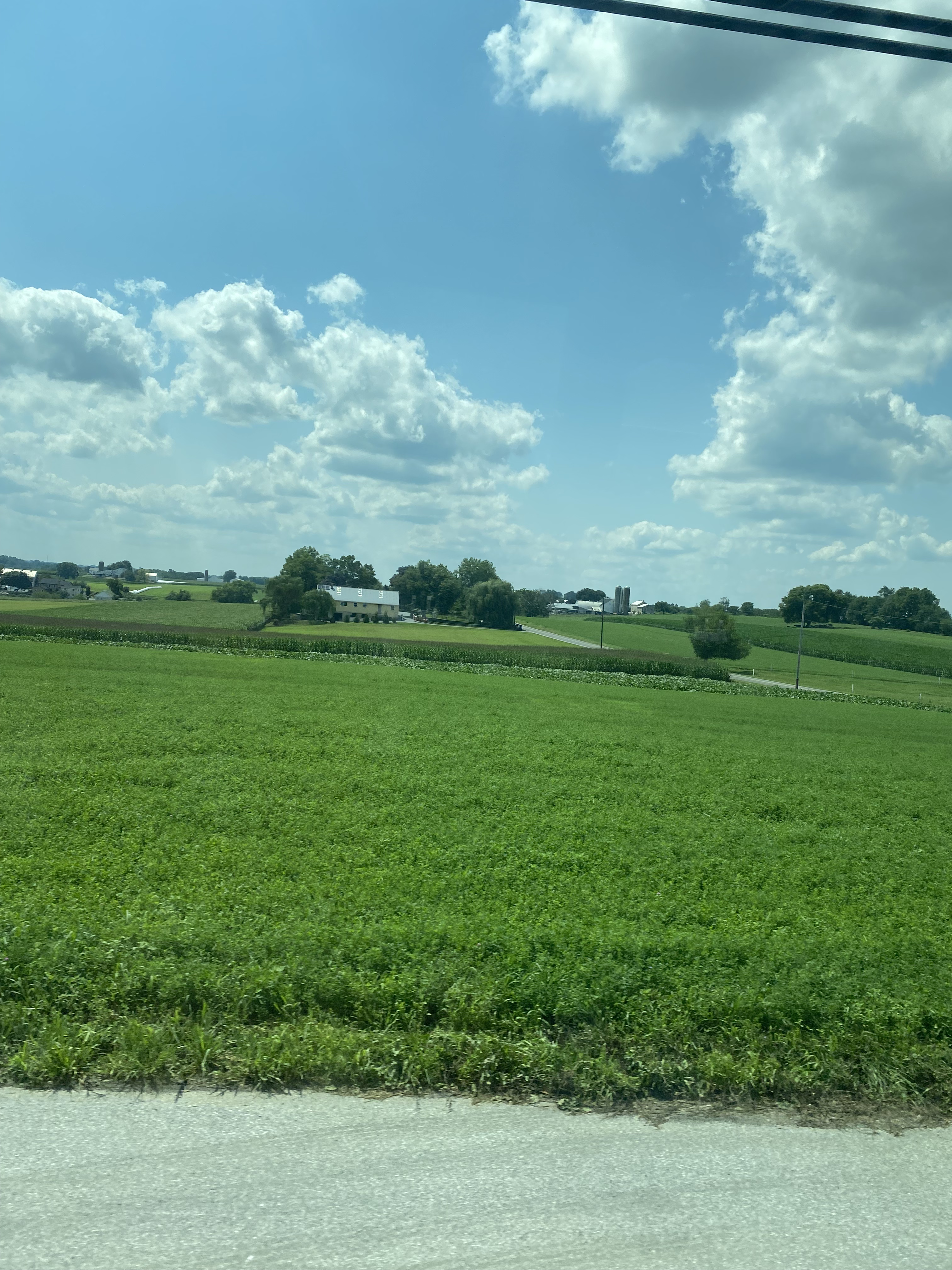
Eastern Kenya is a region defined by its climate: much of it is semi-arid, with short and unreliable rains, so farming here is about working with dry conditions rather than against them. Yet the region is also home to high-potential highland zones and some of Kenya's most valuable drought crops and fruit. This guide to farming in Eastern Kenya covers the counties, agro-ecological zones and seasons, the best-suited crops and livestock, key markets, and the opportunities and challenges of farming in the drylands.
The counties and the landscape
The Eastern region spans a dramatic range from Mount Kenya's fertile slopes down to hot, dry plains:
- Machakos — mixed farming, drought crops, mango, dairy, poultry, and horticulture near Nairobi markets.
- Makueni — a leader in mango and green grams, with strong drought-crop and fruit value addition.
- Kitui — largely semi-arid; green grams, cowpeas, sorghum, millet, cassava, and livestock.
- Meru — high-potential slopes of Mount Kenya: coffee, tea, macadamia, bananas, miraa (khat), potatoes and horticulture.
- Embu — coffee, tea, macadamia, bananas, rice (Mwea border) and horticulture in the highlands, drought crops lower down.
This mix means Eastern Kenya has both intensive highland cash-crop farming and extensive dryland cropping and livestock, sometimes within the same county.
Zones, seasons and rainfall
The single most important factor is altitude and the rainfall it brings.
| Zone | Where | Rainfall | Typical enterprises |
|---|---|---|---|
| Mount Kenya highlands | Upper Meru, Embu | 1,200–1,800mm | Coffee, tea, macadamia, bananas, horticulture |
| Midlands | Machakos hills, mid Meru/Embu | 800–1,200mm | Coffee, mango, maize/beans, dairy |
| Semi-arid lowlands | Makueni, Kitui, lower Machakos | 400–800mm | Green grams, sorghum, millet, cowpeas, cassava, livestock |
Rainfall is bimodal: long rains around March–May and short rains around October–December. In the drier lowlands the short rains are often the more dependable season, and rainwater harvesting (sand dams, earth pans, terraces) is critical everywhere. For a deeper look at dryland techniques, see our guide to farming in arid and semi-arid lands.
Drought-tolerant crops
The backbone of lowland Eastern Kenya is crops that can finish quickly and survive dry spells:
- Green grams (ndengu) — the region's star cash crop: fast-maturing, low-input, drought-tolerant and well-priced. See green grams farming in Kenya.
- Sorghum and millet — reliable food and cash grains, with growing demand from brewers and millers. See sorghum farming.
- Cowpeas and pigeon peas — dual-purpose (grain and leaves) and soil-improving.
- Cassava — a drought-buffer food and industrial crop. See cassava farming.
- Drought-tolerant maize — short-season varieties where rainfall allows.
Mango and fruit
Mango is the signature fruit of Eastern Kenya, especially Makueni and Machakos. It provides seasonal bulk income and strong value-addition potential (juice, pulp, dried mango). Managing the fruit fly and lining up buyers or processors before harvest are the keys to profit. Other fruits include pawpaw, citrus, and watermelon in warmer zones — see watermelon farming.
Highland cash crops
The Mount Kenya slopes of Meru and Embu are a different world: cool, wet and fertile. Here farmers grow coffee, tea, macadamia, bananas, miraa (khat) and horticulture, alongside dairy. These zones behave much like Central Kenya and offer steadier cash-crop income than the drylands.
Livestock
Livestock is central to dryland livelihoods and well matched to the environment:
- Dairy goats — efficient milk producers suited to browse-rich, dry areas; see dairy goat farming.
- Meat goats and sheep — a mainstay of Kitui and Makueni; see meat goat farming.
- Beef cattle — extensive grazing in the rangelands; see beef cattle farming.
- Poultry — kienyeji chicken are widely kept and drought-hardy.
- Beekeeping — the dry acacia woodlands of Kitui and Makueni produce excellent honey; see beekeeping in Kenya.
Key markets and towns
| Market / town | County | Notable for |
|---|---|---|
| Machakos & Wote | Machakos/Makueni | Green grams, mango, produce, livestock |
| Kitui town | Kitui | Drought crops, livestock, honey |
| Meru & Maua | Meru | Coffee, tea, miraa, horticulture |
| Embu town | Embu | Coffee, macadamia, bananas, produce |
| Nairobi markets | (destination) | Major outlet for mango, ndengu, fruit |
Proximity to Nairobi is a real advantage for Machakos and Makueni, while Meru and Embu feed both local and export chains.
Opportunities
- Value addition: Mango juice and dried mango, packaged green grams, honey processing, and cassava flour capture far more value than raw produce. See our value addition guide.
- Aggregation and export: Green grams and mango have export potential when farmers bulk together and meet quality standards. See export markets for Kenyan produce.
- Water harvesting and irrigation: Sand dams, pans and drip irrigation turn dry-season farming into steady income.
- Drought-smart livestock: Dairy goats, meat goats and bees are low-risk, well-matched enterprises.
Challenges
- Erratic, low rainfall: The defining risk — crop failure in poor seasons is common without water harvesting.
- Pests and fruit fly: Mango fruit fly and storage pests cause heavy losses if unmanaged.
- Distance to markets: Kitui and remote areas face high transport costs and broker dependence.
- Post-harvest losses: Poor drying and storage cut into green gram and grain returns — see post-harvest management.
- Price exploitation: Farmers selling small volumes individually often accept low broker prices.
Farming systems and how land is used
Eastern Kenya farming is built around managing risk in an uncertain climate. In the semi-arid lowlands, households spread bets across several quick, drought-tolerant crops — green grams, cowpeas, sorghum and cassava — kept alongside goats, indigenous chickens and often bees, so that a failed crop season does not mean total loss. Mango trees provide a valuable seasonal cash injection, and any harvested rainwater is stretched to keep vegetables or a nursery going into the dry months.
In the Mount Kenya highlands of Meru and Embu, the pattern flips to intensive cash-crop farming — coffee, tea, macadamia and bananas with dairy — much like Central Kenya. The overarching lesson across the region is to match the enterprise to the zone rather than force high-water crops onto dry land, and to invest early in water harvesting, drip irrigation and drought-smart livestock. Bulking produce through groups also lifts the low prices that isolated smallholders often accept.
Making Eastern Kenya farming pay
Success in Eastern Kenya comes from matching enterprises to the climate — drought crops, mango, dairy goats and bees in the drylands, cash crops in the highlands — harvesting water, adding value, and selling collectively rather than one bag at a time.
Check Agrisoko's market intelligence to see what your green grams, mangoes or grain are worth before you sell, and list your produce to sell directly to aggregators, processors and bulk buyers.
See also: Green grams farming in Kenya | Farming in arid and semi-arid lands | Dairy goat farming in Kenya
Buying green grams in bulk?
Get green grams supplier offers
Tell us your organisation and how much you need. Agrisoko matches suppliers across Kenya at today's market price.
No account needed. Your details stay private — we broker the intro.
Turn this guide into a market decision
Check live prices, browse active supply, or look at buyer demand before you move stock.