
Sorghum Farming in Kenya (2026): Drought-Tolerant Cash Crop & Brewer Contracts
Grow sorghum in Kenya: drought-tolerant varieties like Gadam, bird control, EABL and miller contracts, per-acre costs, returns and Eastern/Nyanza markets.
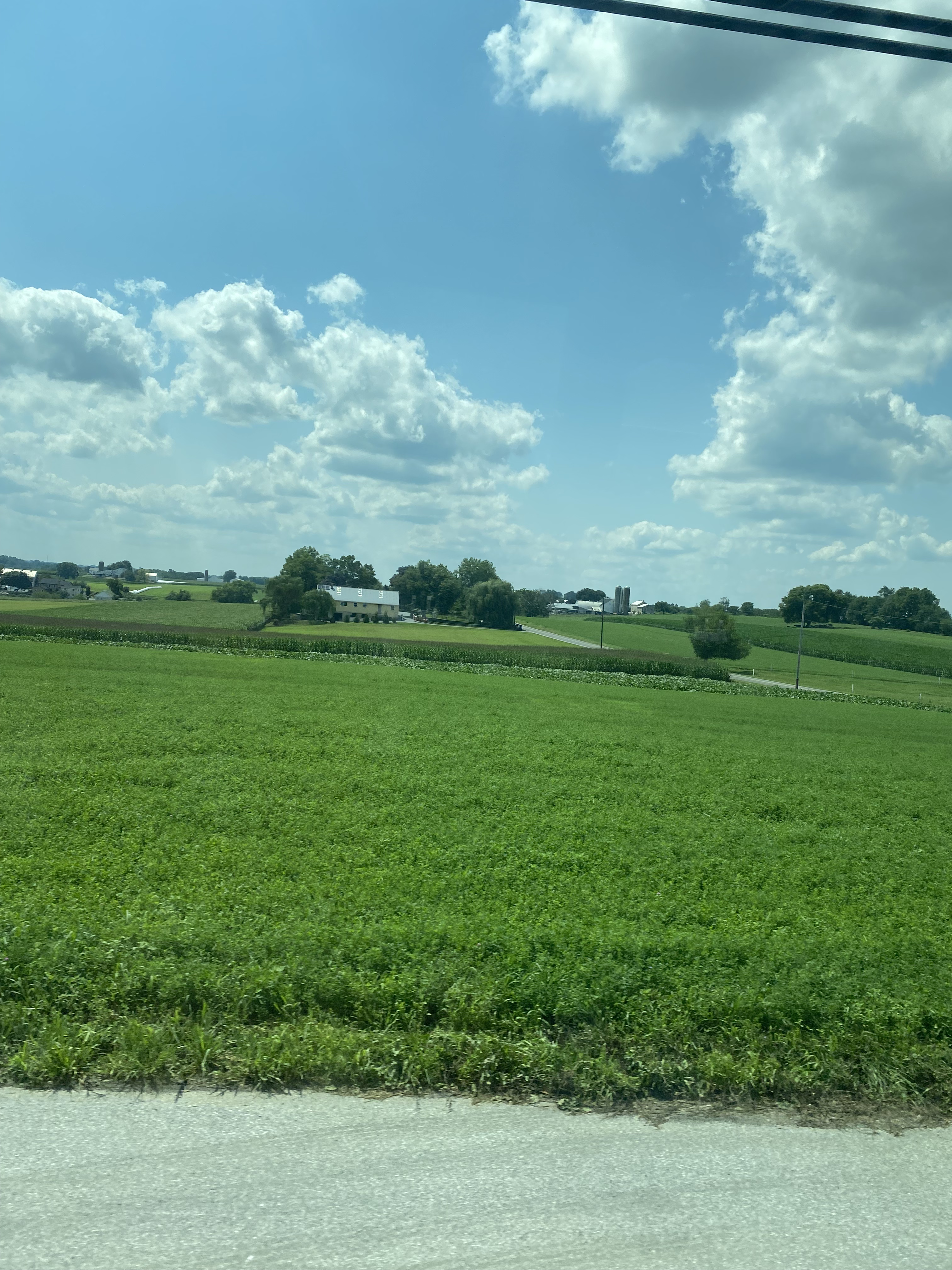
Sorghum is one of Kenya's most underrated cash crops. It is drought-tolerant, cheaper to grow than maize, and — thanks to strong demand from brewers, millers and feed makers — increasingly grown on contract for guaranteed markets. For farmers in the drier and mid-altitude parts of the country, especially Eastern and Nyanza, sorghum can out-earn maize per shilling invested while carrying far less weather risk. This guide covers growing sorghum profitably in Kenya, from variety choice and bird control to landing brewer and miller contracts.
Why sorghum makes sense in Kenya
Sorghum's great strength is resilience. It tolerates heat, drought and marginal soils that leave maize failing, which makes it a leading climate-smart crop for arid and semi-arid lands (ASALs). It also fits Kenya's markets well: the brewing industry (notably EABL's Senator/keg beer) uses locally grown sorghum, millers use it for flour and blended products, and feed makers use it in animal rations. That combination of low risk and real demand is what turns sorghum into a cash crop rather than a fallback.
Where sorghum grows best:
- Eastern: Kitui, Machakos, Makueni, Tharaka Nithi, Embu and Meru lowlands — the heartland of contract sorghum.
- Nyanza: Homa Bay, Migori, Siaya and Kisumu.
- Coast, parts of the Rift, and Western lowlands.
These areas typically sit at lower to mid altitude with 400–900mm of rainfall, often bimodal, where fast-maturing sorghum can produce a crop within a single short rains.
Choosing the right variety
Variety choice balances market demand, maturity and bird tolerance.
| Variety | Maturity | Strength | Watch out for |
|---|---|---|---|
| Gadam | ~3–4 months | White bold grain, strong brewer/miller demand, drought-tolerant | Low-tannin, so more bird-attractive — needs bird control |
| Seredo | ~4 months | Hardy, higher-yield, tannin gives bird tolerance | Tannin can limit some food/brewing uses |
| Serena | ~4 months | Hardy, drought-tolerant, some bird tolerance | Check buyer acceptance |
| KALRO / improved white types | Varies | Food and brewing markets | Match to buyer spec |
Gadam is the contract favourite because brewers and millers want its clean white grain — but its low tannin makes it a magnet for birds, so plan bird control from the start. Where bird pressure is extreme and the market allows, tannin types like Seredo/Serena reduce losses. Always match the variety to your buyer's requirement.
Season calendar (drier-zone short rains example)
| Period | Activity |
|---|---|
| Before rains | Land prep, secure aggregator/contract, buy certified seed |
| Onset of rains | Plant into good moisture with planting fertiliser |
| 2–3 weeks | Thinning, first weeding |
| 3–5 weeks | Nitrogen top-dress (if moisture allows), scout shoot fly/borer |
| Booting–flowering | Monitor for pests |
| Grain fill–ripening | Intensive bird control |
| Maturity | Harvest heads, thresh, dry |
| Post-harvest | Clean, grade, deliver to contract/market |
Land preparation and planting
- Seedbed: Plough and harrow to a fine tilth — sorghum seed is small and needs a fine, firm seedbed for even germination.
- Spacing: roughly 60–75cm between rows and 15–20cm within rows; sow shallow (2–3cm). Drilling or careful hill-planting then thinning both work.
- Timing: plant with the first reliable rains so the crop uses the full season — critical in short-rains zones.
- Thinning: thin early to the target stand to avoid overcrowding and moisture competition.
Fertiliser and weed control
Sorghum needs less fertiliser than maize, one reason it is cheaper to grow:
- At planting: a modest rate of DAP or NPK placed with the seed.
- Top-dress: a nitrogen top-dress (CAN/urea) a few weeks after emergence where soil moisture is adequate — never top-dress into dry soil.
- Weeds: sorghum establishes slowly and competes poorly early, so weed early and thoroughly in the first weeks; a clean start is essential.
Pests, diseases and the bird challenge
- Birds (especially quelea) are the number-one sorghum enemy. Control them with bird-tolerant varieties where market allows, synchronised planting with neighbours so the whole area ripens together (spreading the pressure), active bird-scaring during grain-fill and ripening, and timely harvest. In quelea hotspots, coordinated community effort is the only thing that works.
- Shoot fly and stem borer: scout and control early, especially in young crops.
- Aphids and head bugs: monitor around flowering and grain-fill.
- Diseases: anthracnose, leaf blight, smut and grain mould — use clean certified seed, tolerant varieties, and avoid harvesting damp.
Indicative costs and returns (per acre, 2026)
Indicative ranges only — sorghum economics vary with rainfall, variety, bird pressure and whether you have a contract.
| Item | Indicative KES per acre |
|---|---|
| Land prep | 3,000–6,000 |
| Certified seed (2–4kg) | 800–2,000 |
| Fertiliser (modest DAP/NPK + CAN) | 4,000–9,000 |
| Herbicide + pesticide | 2,000–5,000 |
| Weeding, thinning, bird-scaring labour | 5,000–12,000 |
| Harvest, threshing, drying, bags | 3,000–6,000 |
| Total variable cost | ~18,000–40,000 |
| Yield (well managed) | 8–15 bags (90kg) |
| Farm-gate/contract price (indicative) | KES 3,500–5,000 / 90kg bag |
| Gross revenue | ~28,000–75,000 |
| Indicative gross margin | ~10,000–45,000 |
Note how labour for bird-scaring is a major cost in low-tannin sorghum — budget for it honestly, because uncontrolled birds can turn a promising crop into a loss.
Harvesting, drying and quality
Harvest heads when grain is hard and mature, thresh, and dry to about 12–13% moisture. Buyers — especially brewers and millers — pay for clean, dry, single-variety grain free of foreign matter, mould and mixed types. Keeping varieties separate and grain clean is what secures the contract price rather than a discounted one. Store dry in well-ventilated bags with an approved protectant.
Selling sorghum: contracts and markets
The reason sorghum has become a genuine cash crop is contracted demand:
- Brewers (e.g. EABL): Access is usually through aggregators, cooperatives or contracted lead farmers rather than direct. Register with an aggregator serving your area before the season, agree variety (often Gadam), volume, quality and price, and deliver to grade.
- Millers and food processors: buy white sorghum for flour and blended products, on contract or open market.
- Animal-feed makers: a steady outlet, particularly for surplus and lower grades.
- Local markets and traders, plus direct buyers on Agrisoko.
Line up your buyer before you plant — sorghum's whole advantage as a cash crop rests on having a market at a known price. Check the market intelligence dashboard for cereal price context and the maize price reference to gauge the wider grain market before agreeing terms.
Turn drought-tolerance into income with Agrisoko
Where maize is a gamble, sorghum is a smart bet — resilient, cheap to grow, and increasingly wanted by brewers, millers and feed makers. The farmers who profit secure a buyer early, control birds, and deliver clean, single-variety grain. Use Agrisoko to track market prices, connect with aggregators and buyers, and list your sorghum so serious buyers can find your crop.
Turn this guide into a market decision
Check live prices, browse active supply, or look at buyer demand before you move stock.