
Coffee Farming in Kenya: Cooperatives, AA Grades & 2026 Earnings
Coffee farming in Kenya: arabica agronomy, cooperatives and factories, grades from AA to TT, cherry and bonus payments, 2026 earnings, and where to sell.
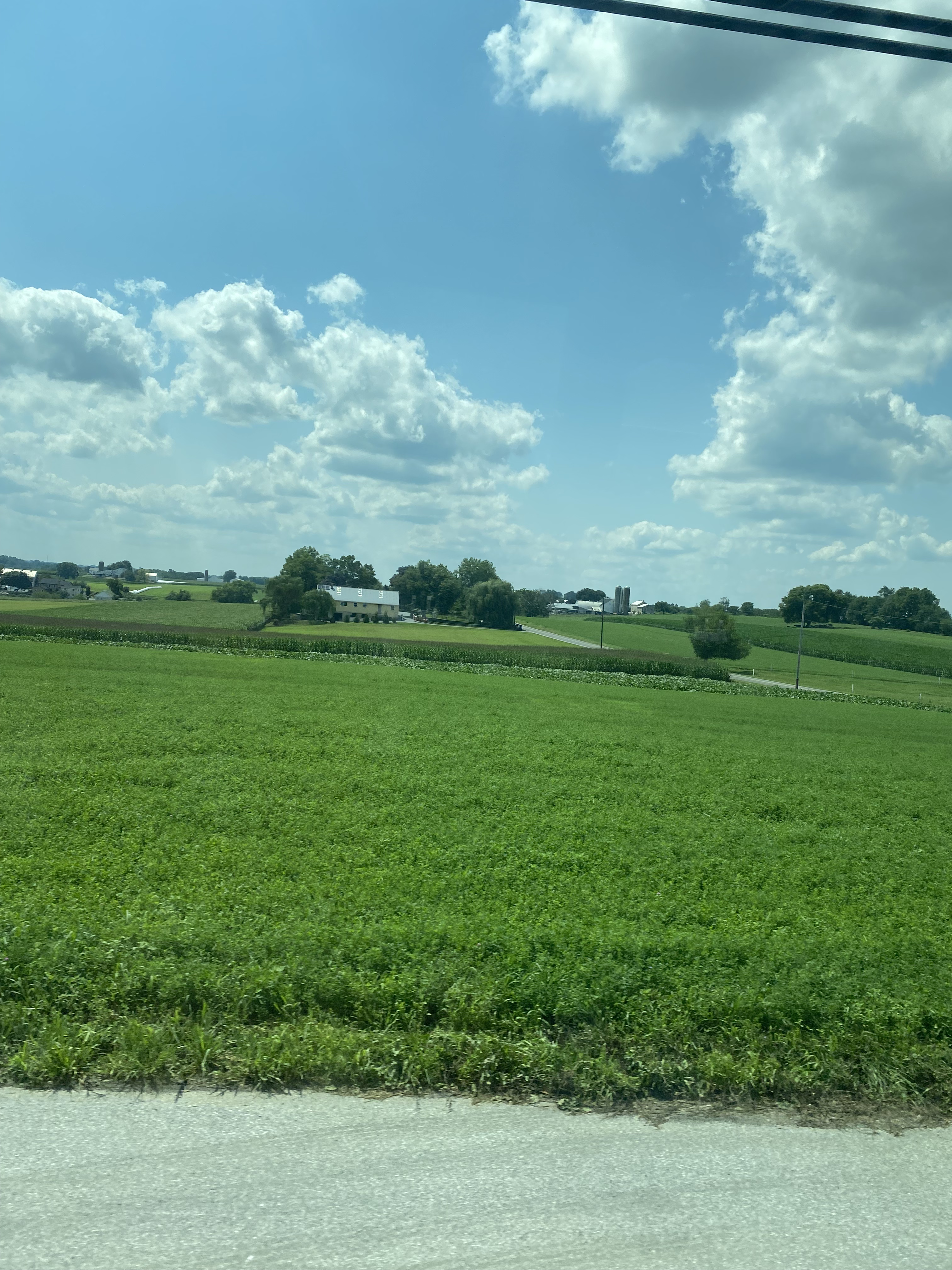
Coffee farming in Kenya remains one of the country's most iconic and valuable agricultural enterprises. Kenyan arabica is famous worldwide for its bright acidity and full body, and the crop supports hundreds of thousands of smallholders — most of them organised through cooperatives and factories in Central Kenya and the Rift. This guide covers arabica agronomy, how the cooperative and grading system pays farmers, 2026 earnings realities, and how to get the best return.
Where coffee is grown in Kenya
Kenyan coffee is arabica, grown in cool highlands with volcanic soils.
- Central Kenya — Kiambu, Murang'a, Nyeri, Kirinyaga: the historic heartland on Mt Kenya's and the Aberdares' slopes.
- Eastern slopes — Embu and Meru.
- Rift and western belt — Nakuru, Kericho, Bungoma, Kisii, Nyamira, Trans Nzoia and Nandi.
The ideal zone sits around 1,400–2,100m, with 1,000–1,600mm of rainfall, moderate temperatures and deep, well-drained, slightly acidic volcanic soils. Altitude matters: higher, cooler sites slow cherry ripening and build the acidity and complexity that earn premium cup scores.
Coffee varieties in Kenya
| Variety | Type | Notes |
|---|---|---|
| SL28 | Traditional | Excellent cup quality; susceptible to CBD and rust |
| SL34 | Traditional | High quality, tolerant of heavier soils; disease-prone |
| Ruiru 11 | Improved | Compact, dwarf, resistant to CBD and leaf rust; higher density planting |
| Batian | Improved | Tall, resistant, good quality, faster to bear |
SL28 and SL34 built Kenya's reputation but need heavy fungicide spraying. Ruiru 11 and Batian resist coffee berry disease (CBD) and leaf rust, cutting spray costs and losses while keeping respectable quality — which is why many farmers replant with them.
Establishing and managing coffee
Coffee is a long-term investment; trees produce for decades.
- Land and holes: on deep volcanic soil, dig planting holes ahead of the rains and enrich with manure.
- Spacing: varies by variety; compact Ruiru 11 allows denser planting than tall traditional trees.
- Nutrition: apply fertiliser as recommended for your soil, split across the season, and mulch to conserve moisture and feed the soil.
- Pruning: adopt single- or multiple-stem systems to keep productive young wood, open the canopy for airflow, and ease picking.
- Shade and intercropping: light shade and cover crops help in hotter sites.
Pests and diseases
- Coffee Berry Disease (CBD): fungal, attacks green berries; devastating in wet weather. Use resistant varieties and timely copper/fungicide sprays.
- Coffee Leaf Rust (CLR): orange spore patches under leaves, causing defoliation. Managed with resistant varieties and fungicides.
- Antestia bug: feeds on berries and causes the "potato taste" defect that ruins cup quality; scout and control.
- Coffee berry borer: bores into beans; field hygiene (removing leftover berries) and traps help.
Good disease control directly protects your grade, because defects and small beans drop you from AA/AB into the cheaper grades.
Harvesting and processing through cooperatives
Most smallholders belong to a Farmers' Cooperative Society that runs one or more factories (wet mills).
- Pick selectively: hand-pick only red, ripe cherry — this is the single biggest quality lever available to a farmer.
- Deliver same day to the factory, where cherry is weighed and recorded against your account.
- Wet processing: the factory pulps, ferments, washes and dries the coffee to parchment.
- Milling and grading: parchment is hulled and graded, then sold via the Nairobi Coffee Exchange auction or by direct/second-window sales.
Grades and how they pay
After milling, clean coffee is graded chiefly by bean size and quality:
| Grade | Meaning | Price tendency |
|---|---|---|
| AA | Largest beans, top screen size | Highest |
| AB | Slightly smaller, still premium | High |
| PB | Peaberry (single round bean) | Strong, niche premium |
| C | Smaller beans | Lower |
| TT / T | Light, broken, lower quality | Lowest |
AA and AB from clean, high-altitude lots command the best auction prices. Because grade depends on screen size and defects, everything you do agronomically — nutrition, disease control, selective picking — feeds directly into the price.
Payments and 2026 earnings
Cooperative payment usually comes in two parts:
- Cherry advance / initial payment: a small amount paid soon after delivery.
- Final payment (bonus): the bulk of the income, paid months later once the coffee is milled, graded, sold and costs deducted.
The bonus per kilo of cherry is the number farmers watch. It varies enormously by cooperative efficiency, milling costs, yield and world prices. In recent strong seasons, well-run cooperatives have paid well over KES 100 per kilo of cherry, while poorly managed societies paid far less for the same crop. Into 2026, firmer global arabica prices and reforms pushing more money to farmers have supported earnings — but the gap between an efficient, low-deduction cooperative and a badly run one remains the decisive factor in what you actually receive.
Getting the best return
- Join or push for an efficient cooperative — lower deductions and better marketing lift your bonus.
- Pick only ripe cherry — it raises grade and cup score more than almost anything else.
- Consider direct sales / second window where allowed, to capture specialty premiums.
- Track prices and demand on the Agrisoko market intelligence dashboard and the coffee price page so you understand where your factory's payment sits.
Key takeaways
- Kenyan arabica thrives in highland volcanic soils of Central Kenya and the Rift.
- Grow SL28/SL34 for top quality or Ruiru 11/Batian for disease resistance and lower spray costs.
- Selective ripe picking and disease control drive your grade (AA/AB pay most).
- Income depends heavily on your cooperative's efficiency and the final bonus per kilo of cherry.
Whether you sell cherry, parchment or clean coffee, know your market. List coffee and connect with buyers on Agrisoko, follow the coffee price page, and track sector signals on the market intelligence dashboard.
Turn this guide into a market decision
Check live prices, browse active supply, or look at buyer demand before you move stock.