
Farming in Kenya's Arid and Semi-Arid Lands (ASALs): Drought-Smart Crops and Livestock
A practical guide to farming Kenya’s ASALs — drought-smart crops like sorghum, millet and green grams, water harvesting, hardy livestock and markets.
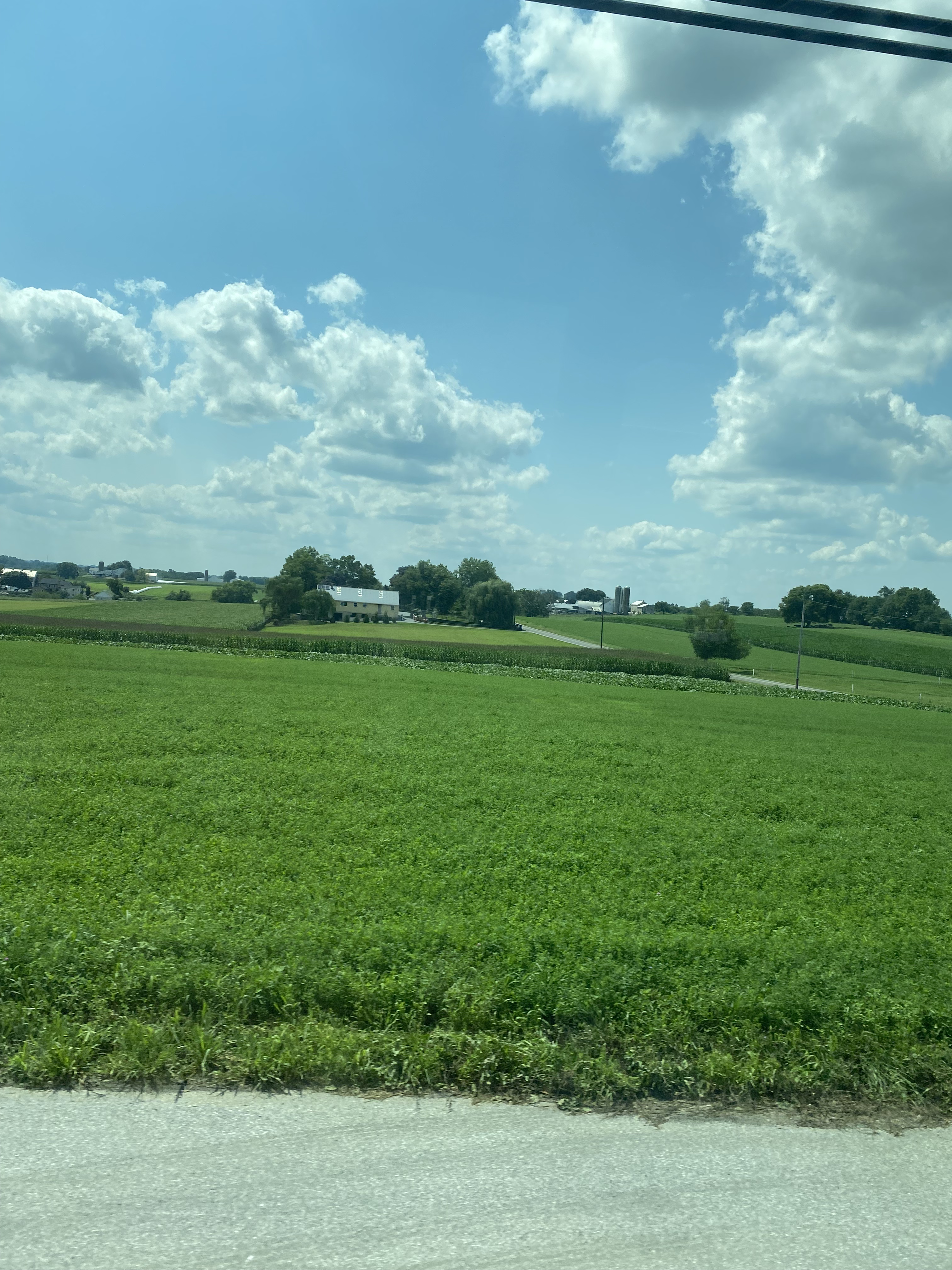
Farming in Kenya's arid and semi-arid lands (ASALs) is often described as impossible — but that view usually comes from trying to grow the wrong things. The ASALs cover the majority of Kenya's land area, spanning counties such as Kitui, Makueni, Machakos, Kajiado, Isiolo, Garissa, Turkana, Baringo, Tana River, and much of the north and lower east. Farmers who succeed there share one mindset: work with the climate, not against it. That means drought-smart crops, disciplined water harvesting, and hardy livestock — not maize and thirsty vegetables planted on hope. This guide lays out a practical, proven approach.
The ASAL reality
ASAL zones are defined by low and unreliable rainfall — often 200–700 mm a year, concentrated in short, sometimes failing, seasons. Temperatures are high, evaporation is fast, and droughts recur. The single biggest cause of failure is planting long-season, water-hungry crops that cannot finish before the moisture runs out. Everything below is about beating that constraint.
Drought-smart crops that actually work
These crops either mature fast or genuinely tolerate dry spells, and — importantly — have real markets.
| Crop | Why it suits ASALs | Market |
|---|---|---|
| Sorghum | Deep roots, tolerates heat and dry spells | Breweries, food processors, feed |
| Pearl & finger millet | Very drought-tolerant, nutritious | Human food, health-food market |
| Green grams (ndengu) | Fast-maturing, low water need | Strong local and export demand |
| Cowpeas | Drought-tolerant, leaves and grain both sell | Food, vegetable, and grain markets |
| Pigeon peas | Deep-rooted, survives long dry spells | Local, export, and processing |
| Cassava | Extreme drought tolerance, food reserve | Fresh, flour, chips, feed |
Green grams and sorghum are the standout commercial choices — both have expanding markets and prices that reward volume. Pulses like green grams and cowpeas add the bonus of fixing nitrogen, improving soil for the next crop. Always plant certified, early-maturing, drought-tolerant varieties matched to your season length; the difference between a 60-day and a 90-day variety can decide whether the crop finishes before the rains stop.
Water harvesting: the foundation
In the ASALs, water — not seed or fertiliser — is the limiting factor. The goal is to capture and store every rain event. Proven techniques include:
- Zai pits — small planting pits filled with manure that trap rainwater and concentrate fertility around each plant.
- Tied ridges and contour bunds — hold rain where it falls so it soaks in rather than running off.
- Terraces (fanya juu / fanya chini) — slow runoff and cut erosion on slopes.
- Water pans and sand dams — store runoff for livestock and supplementary irrigation.
- Roof catchment tanks — capture household and building runoff for high-value use.
- Mulching and in-situ moisture conservation — keep soil moisture from evaporating.
Even simple structures dramatically raise the odds of a harvest, and several combined can support small-scale irrigation of high-value crops.
Integrating hardy livestock
Livestock are central to ASAL livelihoods and spread risk when a crop season fails. The key is hardy, indigenous breeds adapted to heat, distance, and disease:
- Cattle: Boran and Zebu — tolerant, hardy, good for beef.
- Goats: Galla and local breeds — the ASAL farmer's most reliable earner, browsing on shrubs other animals ignore.
- Sheep: Red Maasai — heat- and parasite-tolerant.
- Camels: In the driest zones, unmatched for milk and resilience.
- Indigenous poultry: Low-cost, dual-purpose, quick to recover after shocks.
A crop–livestock integration turns each enterprise into support for the other: crop residues become fodder, manure fertilises zai pits and fields, and animals convert biomass into saleable value even in a poor crop year.
A drought-smart calendar
| Period | Action |
|---|---|
| Before the rains | Build/repair water-harvesting structures; buy certified drought-tolerant seed |
| First reliable rains | Plant early-maturing crops immediately; use zai pits and ridges |
| Growing season | Conserve moisture, weed early, scout pests; water livestock from pans |
| Harvest | Dry crops fast and thoroughly to avoid pests and aflatoxin |
| Dry season | Store well; sell into rising dry-season prices; feed residues to stock |
Managing risk in a harsh climate
- Diversify enterprises. Never bet the household on one crop — mix pulses, cereals, and livestock.
- Stagger and choose short-season varieties. These finish before moisture runs out.
- Store well. Dry grains and pulses properly to prevent storage pests and aflatoxin, which ruin ASAL harvests fast.
- Consider drought-index insurance and safety-net programmes where available, and tap county and national support for ASAL farmers.
Markets and margins
Drought-smart crops are not just survival crops — they sell well. Green grams command strong prices locally and for export; sorghum and millet are bought by breweries, food processors, and the feed industry; cowpeas and pigeon peas have steady food and export demand. Because prices typically rise in the dry season, farmers who store and sell strategically — or aggregate volume with neighbours to reach bulk and institutional buyers — earn considerably more than those who sell at harvest.
Check current demand and prices on Agrisoko market intelligence before you sell, and combine your stock with other farmers to meet the volumes bulk buyers want.
Common mistakes to avoid
- Planting maize and thirsty crops without irrigation in low-rainfall zones.
- Skipping water harvesting and losing every rain event to runoff.
- Using late-maturing seed that cannot finish the season.
- Poor drying and storage, inviting pests and aflatoxin.
- Relying on a single enterprise in a climate defined by shocks.
Key takeaways
- ASAL farming works when you match the enterprise to the rainfall — drought-smart crops and hardy livestock, not maize on hope.
- Water harvesting (zai pits, ridges, terraces, pans, sand dams) is the foundation of every ASAL harvest.
- Green grams, sorghum, millet, cowpeas, pigeon peas, and cassava have real, growing markets.
- Integrate crops with hardy indigenous livestock to spread risk and build soil.
- Explore more guides on Agrisoko Learn, track prices on market intelligence, and list your drought-smart harvest to reach bulk buyers directly.
Agrisoko helps ASAL farmers turn drought-smart crops into income by connecting them to real buyers. List your produce on Agrisoko and sell into every dry-season peak.
Buying green grams in bulk?
Get green grams supplier offers
Tell us your organisation and how much you need. Agrisoko matches suppliers across Kenya at today's market price.
No account needed. Your details stay private — we broker the intro.
Turn this guide into a market decision
Check live prices, browse active supply, or look at buyer demand before you move stock.