
Green Grams (Ndengu) Farming in Kenya (2026): Short-Season Cash Crop & Export Guide
Grow green grams (ndengu) in Kenya: best varieties, Kitui/Machakos/Coast agronomy, per-acre costs and returns, pest control, export markets and where to sell.
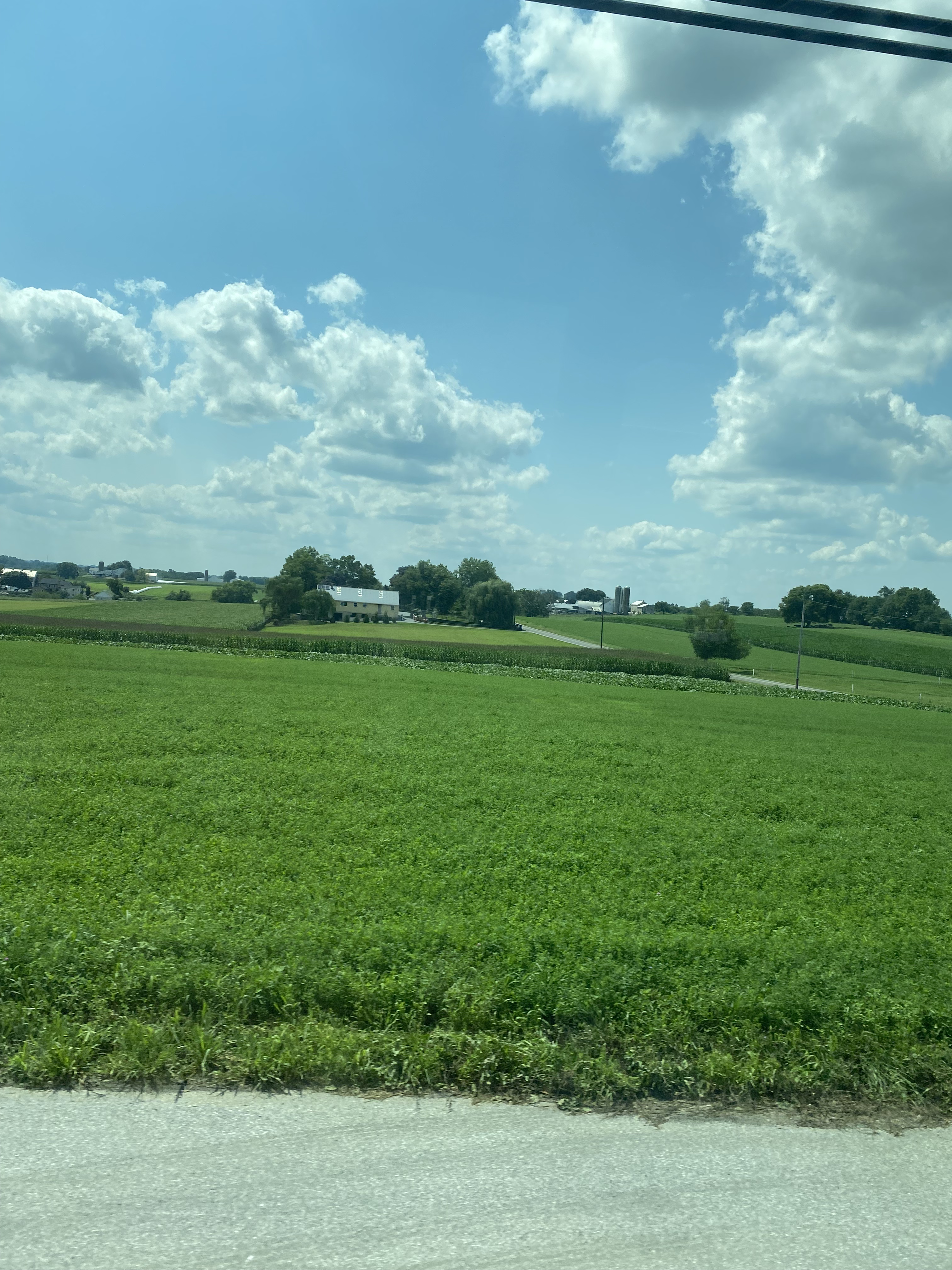
Green grams — known across Kenya as ndengu — have become one of the most profitable short-season cash crops for the country's dry lowlands. They mature fast (about 60–90 days), need little rainfall, improve the soil as a legume, and enjoy strong demand both locally and for export, particularly to India. For farmers in Kitui, Machakos, Makueni and the Coast, ndengu turns a short, unreliable rainy season into real cash — often where maize would simply fail. This guide covers growing green grams profitably in Kenya, from variety choice and pest control to reaching export markets.
Why green grams suit Kenya's dry areas
Green grams are a drought-escaping crop: because they mature so quickly, they can produce a full harvest within a single short rains before the moisture runs out. They are also a legume, fixing nitrogen and leaving the soil better for the next crop, and they need relatively few inputs. That combination — low cost, low water requirement, fast return and strong demand — is why ndengu has spread rapidly across the arid and semi-arid lands (ASALs).
Where green grams grow best:
- Eastern Kenya (the heartland): Kitui, Machakos, Makueni, Tharaka Nithi, and the Embu and Meru lowlands.
- Coast: Kilifi, Kwale, Tana River and Taita Taveta.
- Parts of the Rift and other ASAL zones.
These areas typically sit at warm, low-to-mid altitude with 350–700mm of rainfall, often bimodal — conditions where green grams' short season and drought tolerance are a decisive advantage.
Choosing the right variety
Pick a certified, market-preferred variety matched to your rainfall and your buyer's demand for bold, uniform green seed.
| Variety | Maturity | Strength | Notes |
|---|---|---|---|
| N26 | ~60–70 days | Large shiny green seed, uniform maturity, market favourite | Widely demanded by traders and exporters |
| Karembo (KS20) | ~65–75 days | Bold seed, good yield, drought-tolerant | Popular improved variety |
| Biashara | ~65–75 days | Good market acceptance, uniform | Check local buyer preference |
| KAT varieties (e.g. KAT00308) | ~65–80 days | Adapted to Eastern ASALs | KALRO-developed, hardy |
N26 and Karembo dominate because buyers pay for their large, shiny, uniform seed. Uniform maturity also means fewer pickings and cleaner grain. Always use fresh certified seed — it is the foundation of both yield and the bold grain that fetches the best price.
Season calendar (short rains example)
| Period | Activity |
|---|---|
| Before rains | Land prep, buy certified seed, line up buyer/aggregator |
| Onset of rains | Plant into good moisture (light phosphate fertiliser optional) |
| 1–3 weeks | First weeding |
| 3–4 weeks | Second weeding; scout early pests |
| Flowering (~4–6 weeks) | Spray aphids/thrips/pod borers as needed |
| Pod-set | Continue pest monitoring and control |
| ~8–12 weeks | Harvest mature dry pods in 2–3 pickings |
| Post-harvest | Dry, thresh, clean, grade, store, sell |
Land preparation, planting and spacing
- Seedbed: Plough and harrow to a fine, level tilth for even germination.
- Spacing: about 45–60cm between rows and 10–15cm within rows; sow shallow (3–4cm). A good plant population underpins yield.
- Timing: plant with the first reliable rains so the crop completes its cycle before moisture runs out — timing is everything in a short season.
Fertiliser and weed control
- As a legume, green grams need little nitrogen; a modest DAP or phosphate application at planting supports early growth and nodulation, especially on poorer soils.
- Weed early. Green grams are short and slow to canopy, so keep the crop clean in the first 3–4 weeks; early weed competition directly costs yield.
Pest and disease management
Pests are the main threat to green gram yield and quality:
- Aphids and thrips: cluster on shoots and flowers; scout from flowering and control early — they also transmit viruses.
- Pod borers and pod suckers: attack developing pods; the flowering-to-pod-set window is decisive, so spray recommended insecticides then if pests appear, and rotate actives.
- Whiteflies: vector viral diseases; manage alongside aphids.
- Bruchids (storage weevils): ruin grain in store — dry well and protect grain (hermetic bags/approved protectant).
- Diseases: powdery mildew, leaf spots and root rots — use certified seed, good spacing for airflow, and avoid waterlogged fields.
Healthy pest and disease control at flowering and pod-set is what protects both yield and the bold, clean grain that export and premium buyers demand.
Harvesting, drying and grading
Green grams ripen unevenly, so harvest in 2–3 pickings as pods turn dry and dark, before they shatter and drop seed. Dry the pods, thresh, and dry grain to about 12% moisture. Then clean and grade for uniform, bold, shiny seed free of foreign matter, discoloured or shrivelled grain, and bruchid damage. Grading well is not optional for export — it is the difference between the top price and a discount. Store in hermetic (PICS) bags or with an approved protectant to keep bruchids out until you sell.
Indicative costs and returns (per acre, 2026)
Indicative ranges only; green gram economics vary with rainfall, pest pressure, variety and price at sale (ndengu prices can swing widely between seasons).
| Item | Indicative KES per acre |
|---|---|
| Land prep | 3,000–6,000 |
| Certified seed (~8kg) | 1,600–3,500 |
| Fertiliser (light DAP/phosphate) | 2,000–5,000 |
| Pesticide (aphids/thrips/pod borers) | 3,000–7,000 |
| Weeding + planting labour | 4,000–8,000 |
| Harvest (pickings), threshing, drying, bags | 4,000–9,000 |
| Total variable cost | ~18,000–38,000 |
| Yield (well managed) | 4–8 bags (90kg) |
| Farm-gate price (indicative) | KES 8,000–14,000 / 90kg bag |
| Gross revenue | ~32,000–110,000 |
| Indicative gross margin | ~15,000–75,000 |
Green grams often show a strong margin per acre because the crop is cheap to grow and the grain is comparatively valuable — but prices are volatile, so a lined-up buyer and good grading protect your return.
Selling green grams: local markets and export
Ndengu enjoys some of the broadest demand of any Kenyan pulse:
- Export: Kenyan green grams have strong export demand, notably to India and regionally. Farmers usually reach export markets through aggregators, exporters and cooperatives that bulk and grade to specification (clean, uniform, bold seed, low moisture).
- Local traders, wholesalers and millers: buy for the domestic food market year-round.
- Institutions and processors: schools, hospitals and packers are steady buyers.
- Direct buyers on Agrisoko: list clean, graded grain and reach buyers beyond the local broker.
Because ndengu prices move a lot between seasons, check the market before you sell and consider holding well-stored grain for a better window. Use the market intelligence dashboard for pulse and commodity price context, and the maize price reference as a gauge of the wider market, before agreeing any price.
Make ndengu pay with Agrisoko
Green grams turn short, dry seasons into cash — fast to mature, cheap to grow, and wanted at home and abroad. The farmers who profit choose certified bold-seed varieties, protect the crop at flowering, grade rigorously, and sell into the right market at the right time. Use Agrisoko to track market prices, connect with aggregators, exporters and buyers, and list your green grams so serious buyers compete for your harvest.
Buying green grams in bulk?
Get green grams supplier offers
Tell us your organisation and how much you need. Agrisoko matches suppliers across Kenya at today's market price.
No account needed. Your details stay private — we broker the intro.
Turn this guide into a market decision
Check live prices, browse active supply, or look at buyer demand before you move stock.