
Farming in Central Kenya: Coffee, Tea, Dairy and Horticulture in Kiambu, Murang'a, Nyeri, Kirinyaga and Nyandarua
Guide to farming in Central Kenya — Kiambu, Murang'a, Nyeri, Kirinyaga and Nyandarua. Coffee, tea, dairy, potatoes, horticulture, markets and opportunities.
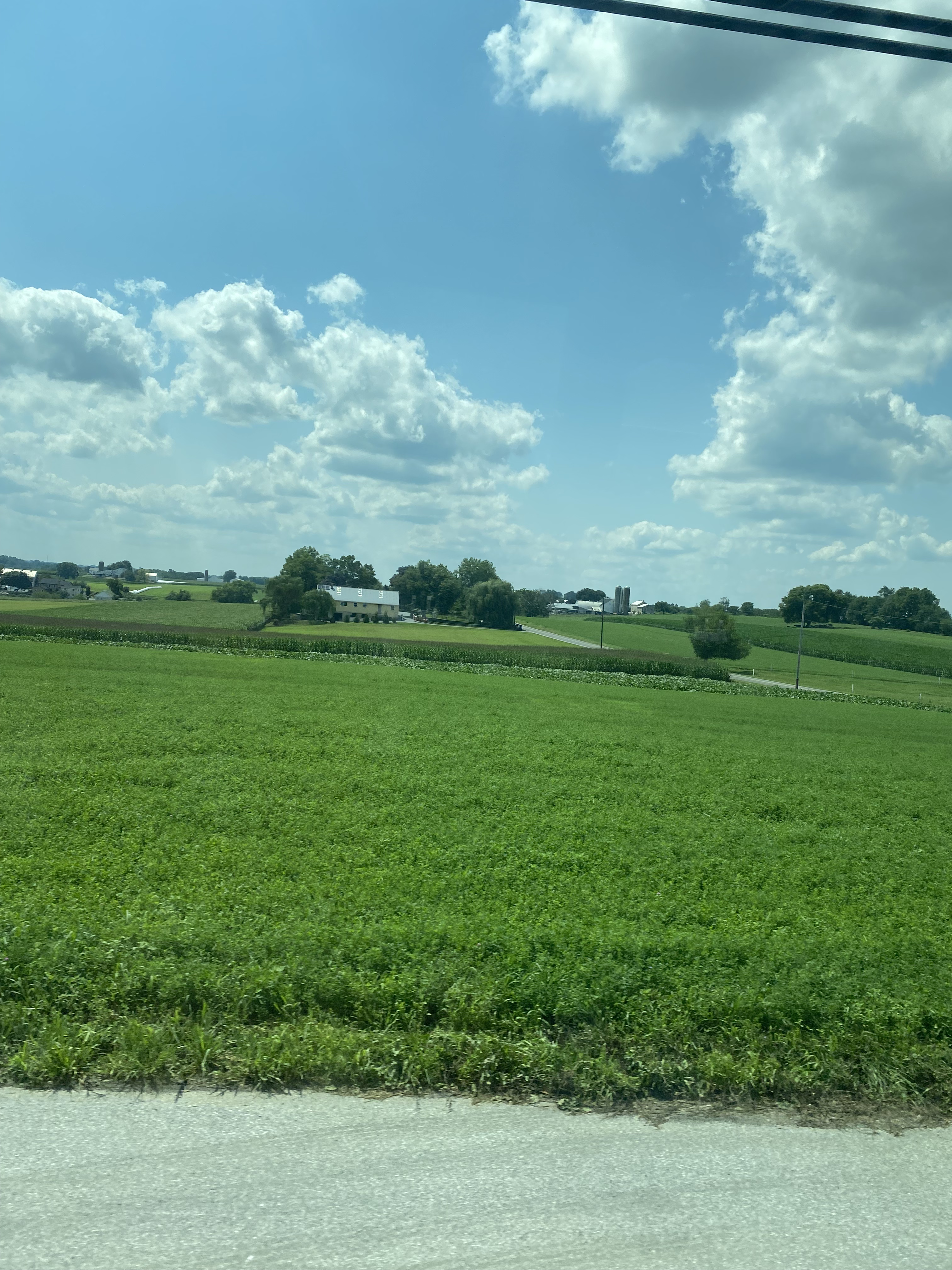
Central Kenya is the traditional cash-crop and dairy heartland of the country. Sitting on the rich volcanic soils around Mount Kenya and the Aberdare Range, with cool highland weather and reliable rain, it produces much of Kenya's coffee, tea, potatoes, milk and fresh horticulture. This guide to farming in Central Kenya covers the counties, altitude zones and seasons, the leading enterprises, key markets, and the opportunities and challenges shaping the region.
The counties and the landscape
Central Kenya's core farming counties are:
- Kiambu — close to Nairobi, strong in dairy, tea, coffee, horticulture, pigs and poultry, with fast-growing peri-urban farming.
- Murang'a — coffee, tea, bananas, avocados, macadamia and dairy across steep, fertile ridges.
- Nyeri — coffee, tea, dairy, and highland potatoes on the Mount Kenya and Aberdare slopes.
- Kirinyaga — home to the Mwea irrigation scheme (rice), plus tomatoes, French beans, bananas and horticulture.
- Nyandarua — the country's leading potato county, with dairy, cabbages, peas and cold-climate vegetables.
Land is generally fertile but plots are small and often steeply sloping, so terracing, intensive mixed farming and high-value crops dominate.
Altitude, seasons and agro-ecological zones
Altitude is the defining feature of Central Kenya farming, ranging from around 1,400m in lower Kiambu and Murang'a to over 2,500m in the highlands of Nyandarua and upper Nyeri.
| Zone | Approx. altitude | Typical enterprises |
|---|---|---|
| Upper highlands | 2,100–2,600m+ | Potatoes, dairy, cabbages, peas, pyrethrum |
| Tea/coffee highlands | 1,700–2,100m | Tea, coffee, dairy, bananas |
| Coffee/horticulture midlands | 1,400–1,700m | Coffee, horticulture, bananas, avocado |
| Irrigated lowlands (Mwea) | ~1,100–1,200m | Rice, tomatoes, French beans |
Rainfall is bimodal: long rains roughly March–May and short rains roughly October–December, with cool, often misty conditions in the higher zones. Irrigation (notably Mwea and river-fed horticulture) extends production into the dry months.
Cash crops: coffee and tea
Coffee and tea built Central Kenya's rural economy and remain central to it.
- Coffee — high-quality arabica grown on volcanic slopes, marketed largely through cooperative societies and factories. Returns depend on quality, world prices and cooperative efficiency. See the coffee farming guide.
- Tea — thrives in the high, wet zones of Nyeri, Murang'a and Kiambu, delivered green-leaf to factories on a regular payment cycle. See the tea farming guide.
Both crops face the same tension: strong long-term value but sensitivity to global prices and cooperative management, which pushes many farmers to diversify.
Dairy farming
Central Kenya has one of the highest densities of grade dairy cattle in Kenya. Cool highlands, good fodder, established cooperatives, and a huge nearby Nairobi milk market make dairy a mainstay — often as intensive zero-grazing on small plots. Good feeding, quality breeding and clean handling separate profitable herds from struggling ones. Start with the dairy cattle farming guide and the county-specific dairy farming in Kiambu and dairy farming in Nyandarua guides.
Potatoes and highland vegetables
Nyandarua and highland Nyeri are Kenya's potato powerhouse. Cool conditions above 1,800m suit the crop, but late blight and bacterial wilt demand certified seed and disciplined disease control. Our potato farming guide and potato farming in Nyandarua cover varieties, yields and how to sell above the broker price. Cabbages, peas, carrots and other cold-climate vegetables round out the highland cropping.
Horticulture, bananas and tree crops
The mid-altitude and irrigated zones are horticulture-rich:
- Kirinyaga (Mwea): rice under irrigation, plus tomatoes and French beans.
- Tomatoes: major income earner; see tomato farming in Kirinyaga.
- French beans: a leading export vegetable; see French beans farming in Kenya.
- Avocado and macadamia: high-value tree crops expanding fast in Murang'a and Kiambu — see Hass avocado farming and macadamia farming.
- Bananas: a steady cash and food crop across Murang'a and Kirinyaga.
Key markets and towns
| Market / town | County | Notable for |
|---|---|---|
| Wakulima / Marikiti (Nairobi) | (destination) | Main urban wholesale outlet |
| Karatina | Nyeri | One of the largest open-air markets in the region |
| Mwea / Kagio | Kirinyaga | Rice, tomatoes, horticulture |
| Limuru & Kiambu markets | Kiambu | Vegetables, dairy, peri-urban produce |
| Ol Kalou / Engineer | Nyandarua | Potatoes, dairy, cabbages |
| Coffee & tea factories | All | Cooperative delivery and payment |
Central Kenya's proximity to Nairobi is a major advantage — the country's biggest consumer market is only a short drive from most farms.
Opportunities
- Value addition: Coffee milling and branding, packaged avocado and macadamia, milk cooling and processing, and packed horticulture all lift margins.
- Export horticulture: French beans, avocados and snow peas have strong export demand with the right standards.
- Certified seed and disease control: In potatoes especially, this is the single biggest lever on profit.
- Peri-urban and greenhouse farming: High land value near Nairobi rewards intensive, protected cultivation. See the greenhouse farming guide.
Challenges
- Shrinking, fragmented land: Subdivision limits acreage, making high-value and intensive farming essential.
- Volatile cash-crop prices and cooperative issues: Coffee and tea returns can disappoint despite good yields.
- Disease and input costs: Potato blight, coffee pests, and rising fertiliser costs squeeze margins — soil testing helps target inputs.
- Market gluts and broker exploitation: Especially in potatoes and tomatoes, timing and direct selling matter.
Farming systems and how land is used
Central Kenya's small, often steeply sloping plots are farmed intensively. A common pattern is a permanent cash crop — coffee or tea — combined with zero-grazing dairy, a food plot of maize, beans and potatoes or vegetables, and high-value tree crops like avocado and macadamia planted along boundaries and terraces. This layering squeezes several income streams from a single small holding and keeps cash coming in at different points of the year: regular milk and green-leaf payments, seasonal coffee returns, and periodic horticulture and fruit harvests.
Terracing and soil conservation matter enormously on these slopes, where erosion can strip fertility fast. Farmers who combine conservation, soil testing-guided fertiliser use, quality dairy genetics and disciplined disease control consistently out-earn neighbours working the same acreage. The proximity of Nairobi means even modest surpluses of milk, eggs, vegetables and fruit find a ready buyer.
Making Central Kenya farming pay
Central Kenya's farmers succeed by combining a reliable cash crop or dairy income with high-value horticulture, correcting soils, controlling disease, and selling smartly rather than accepting the first broker offer.
Check Agrisoko's market intelligence to know what your potatoes, tomatoes, avocados or milk should fetch, then list your produce to sell directly to bulk buyers, processors and exporters.
See also: Coffee farming in Kenya | Potato farming in Nyandarua | Dairy cattle farming in Kenya
Buying milk in bulk?
Get milk supplier offers
Tell us your organisation and how much you need. Agrisoko matches suppliers across Kenya at today's market price.
No account needed. Your details stay private — we broker the intro.
Turn this guide into a market decision
Check live prices, browse active supply, or look at buyer demand before you move stock.