
Tomato Farming in Kirinyaga: Mwea Open-Field & Greenhouse Guide
Tomato farming in Kirinyaga: Mwea agronomy, top varieties, blight and Tuta absoluta control, crate yields, and where to sell at Kagio and Nairobi markets.
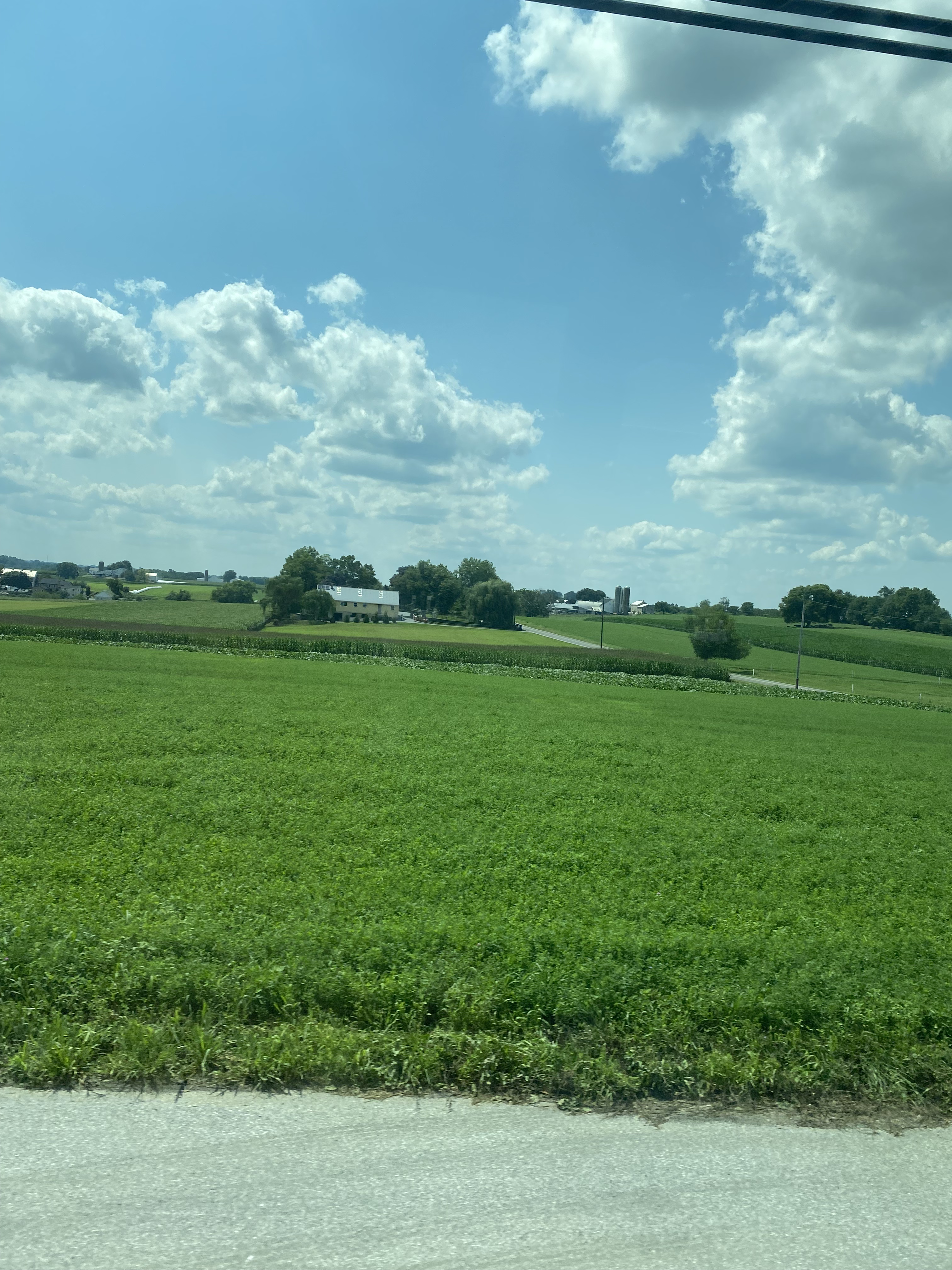
Tomato farming in Kirinyaga is the backbone of the horticulture economy around Mwea, Kagio and Wang'uru. Thanks to the Mwea Irrigation Scheme canals and a warm, low-altitude climate, Kirinyaga farmers can grow tomatoes all year — which is exactly why the county supplies a huge share of the tomatoes eaten in Nairobi. But the same conditions that make Mwea productive also make it a hotspot for late blight and Tuta absoluta. This guide covers the agronomy, pest control, yields and markets specific to Kirinyaga.
Why Kirinyaga is prime tomato country
Kirinyaga stretches from the cold slopes of Mt Kenya down to the hot Mwea plains. The tomato belt sits mostly in the lower zone around Mwea (roughly 1,100–1,300m), where temperatures are warm, sunshine is strong, and — crucially — canal irrigation frees farmers from depending on rain.
- Agro-ecological zone: Lower midland, semi-arid to sub-humid around Mwea; wetter and cooler towards Kutus, Kerugoya and Baragwi.
- Rainfall: Bimodal, roughly 900–1,200mm, but irrigation makes year-round cropping possible.
- Soils: Black-cotton (vertisols) and clay-loams on the Mwea plains, which hold water well but drain poorly — raised beds are essential. Better-drained red loams occur on the upper slopes.
This combination of warmth, water and proximity to the Nairobi market is what makes tomato farming in Kirinyaga so competitive.
Best tomato varieties for Kirinyaga
Firmness and shelf life matter more here than anywhere, because most fruit is trucked to Nairobi in stacked crates.
| Variety | System | Why it suits Kirinyaga |
|---|---|---|
| Shangi F1 | Open field | Blight tolerant, firm, widely traded and recognised |
| Kilele F1 | Open field / greenhouse | High yield, heat tolerant, good crate weight |
| Rambo F1 | Open field | Firm, long shelf life, travels well to Marikiti |
| Anna F1 | Greenhouse | Indeterminate, long harvest window |
| Nadira F1 | Greenhouse | High yield, disease tolerance, uniform fruit |
For most Mwea open-field farmers, Shangi F1 and Kilele F1 are the reliable workhorses. In greenhouses, indeterminate varieties like Anna F1 and Nadira F1 stretch harvesting over several months.
Open field vs greenhouse in Mwea
Open field is the default in Kirinyaga because land and canal water are available. It is cheaper to set up, but more exposed to blight during the rains and to price gluts when everyone harvests together.
Greenhouses (typically 8m x 30m units) are increasingly common around Wang'uru and Kutus. They give cleaner fruit, protect against blight, extend the season, and let farmers target premium buyers — but they cost KES 150,000–350,000+ to build and demand tight pest and irrigation discipline. Tuta absoluta can still get inside, so screening and hygiene are vital.
Land preparation and planting
Mwea's heavy black-cotton soils need careful handling:
- Deep plough and let the soil weather 3–4 weeks before planting.
- Add well-rotted manure or compost to improve structure and drainage.
- Raise beds 30cm high — this is non-negotiable on vertisols, which waterlog and drive bacterial wilt.
- Basal fertiliser: apply DAP at planting (about 3–4 bags per acre).
- Spacing: roughly 60cm between plants and 90–100cm between rows in the open field.
Raise seedlings in trays or a nursery for 3–4 weeks, then transplant sturdy 15–20cm seedlings in the evening and water them in.
Irrigation and feeding
Use the canal water wisely. Drip irrigation is best because it keeps foliage dry and starves late blight of the humidity it loves. If you furrow-irrigate from the canals, water at the base and avoid wetting leaves late in the day.
Feed in stages: DAP at planting, CAN as a top-dress two weeks after transplanting, then calcium and potassium during flowering and fruiting. Calcium prevents blossom-end rot; potassium improves fruit firmness and colour — both of which raise your crate price.
Pests and diseases in Kirinyaga
Tuta absoluta (tomato leafminer)
The number-one problem in Mwea. Larvae mine leaves and bore into fruit, wrecking marketability. Control: pheromone traps for monitoring, strict field hygiene (destroy volunteer plants and old crop debris), and rotate insecticide classes such as Coragen, Ampligo and Emamectin to prevent resistance.
Late blight
Explodes in wet, cool weather. Dark, water-soaked lesions spread fast. Control: resistant varieties, drip irrigation, and a preventive fungicide programme (Mancozeb, then systemics like Ridomil Gold or Acrobat MZ) every 7–10 days during rains.
Bacterial wilt
Common on Mwea's poorly drained soils. Whole plants collapse suddenly and there is no cure. Control: raised beds, good drainage, and crop rotation away from tomatoes, potatoes and other solanums for at least three seasons.
Spider mites and whitefly
Worse in the dry, hot spells. Scout leaf undersides and spray Abamectin or an appropriate miticide, rotating actives.
Harvesting and yields
Tomatoes are ready 60–80 days after transplanting. Pick every 2–3 days at mature-green (for the Nairobi haul) or light-red (for Mwea and Kagio local sale). Handle gently — bruised fruit loses both shelf life and price.
- Open field: roughly 250–450 crates per acre across the season (a crate runs about 40–64kg depending on how it is packed).
- Greenhouse: far higher tonnage per unit area over a longer window.
Costs and returns per acre (indicative)
| Item | Indicative cost (KES/acre) |
|---|---|
| Land prep and beds | 8,000–15,000 |
| Certified seed and seedlings | 6,000–12,000 |
| Fertiliser and manure | 20,000–35,000 |
| Crop protection (blight + Tuta) | 25,000–50,000 |
| Irrigation (drip / canal fees / fuel) | 15,000–40,000 |
| Labour, stakes, crates | 30,000–60,000 |
| Total | ~100,000–210,000 |
At a farm-gate price of KES 1,500–4,000 per crate, a good open-field acre can gross several hundred thousand shillings — but a glut can wipe the margin out, which is why timing and grading matter as much as yield.
Markets: where Kirinyaga tomatoes go
- Mwea and Kagio markets — the main aggregation points; brokers buy by the crate at the farm gate.
- Nairobi Wakulima (Marikiti) and Karatina — the big volume destinations.
- Supermarkets, hotels and grocers — pay more for graded, uniform, firm fruit and consistent supply.
- Agrisoko marketplace — reach bulk buyers and traders directly instead of accepting the first broker's crate price.
Because supply from Mwea is constant, prices swing hard with the harvest calendar. Before you sell, compare quotes on the Agrisoko market intelligence dashboard and check the live tomato price page so you are negotiating from data, not guesswork.
Selling smarter from Kirinyaga
- Grade and pack honestly — agree crate weights up front; disputes over "64kg" crates eat farmer margins.
- Time your harvest for lean-supply weeks rather than the Mwea peak.
- Build direct buyer relationships so you are not captive to one broker.
- Consider value addition (paste, sun-dried) when fresh prices collapse.
Key takeaways
- Kirinyaga's warmth plus Mwea canal irrigation allows year-round tomato farming.
- Use firm, blight-tolerant varieties like Shangi F1, Kilele F1 and Rambo F1; go indeterminate under greenhouse.
- Raised beds are essential on Mwea's black-cotton soils.
- Tuta absoluta and late blight are the make-or-break pests — scout, trap and rotate chemistries.
- Your sale timing and grading decide profit more than raw yield.
Ready to move your Mwea tomatoes to serious buyers? List your tomatoes on Agrisoko, track prices on the market intelligence dashboard, and watch the tomato price page to sell when the market is in your favour.
Buying tomatoes in bulk?
Get tomatoes supplier offers
Tell us your organisation and how much you need. Agrisoko matches suppliers across Kenya at today's market price.
No account needed. Your details stay private — we broker the intro.
Turn this guide into a market decision
Check live prices, browse active supply, or look at buyer demand before you move stock.