
Dairy Farming in Kiambu: Zero-Grazing, Feed Costs and Milk Buyers
A practical guide to dairy farming in Kiambu — zero-grazing on small plots, 2026 feed costs, best breeds, health, and selling milk to Brookside and co-ops.
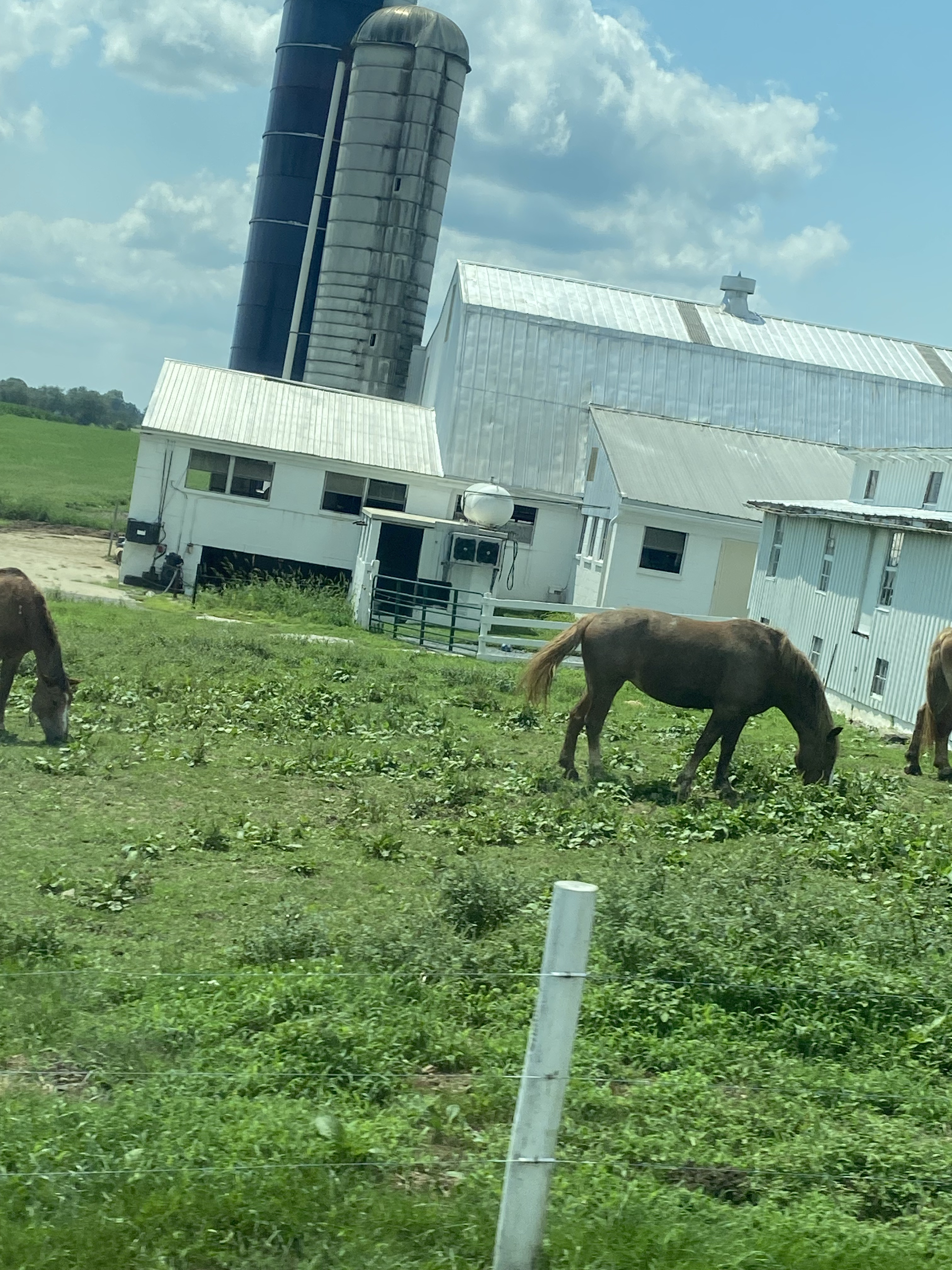
Dairy farming in Kiambu is a smallholder success story built on intensive zero-grazing, high-yielding cows and proximity to the biggest milk market in Kenya — Nairobi. Land in Kiambu is scarce and expensive, so profitable dairy here is not about grazing large herds; it is about keeping a few excellent cows in a compact unit, managing feed costs carefully, and selling into Kiambu's exceptionally strong milk market. This guide covers breeds, housing, 2026 feed costs, health, and where to sell.
Why Kiambu suits intensive dairy
Kiambu's upper zones — Limuru, Lari, Githunguri, Kikuyu and parts of Gatundu — are cool highlands (roughly 1,700–2,400m) ideal for temperate dairy breeds. Rainfall is generally reliable, and the county sits right next to Nairobi, giving farmers unbeatable access to buyers, processors and cooperatives.
The defining constraint is land. Plots are small and prices are high because of urban expansion. That reality shapes everything: Kiambu dairy is overwhelmingly zero-grazing, and because farmers can't grow all their own fodder, feed-cost management is the core skill that decides whether you make money.
Best breeds for Kiambu
- Friesian: Highest volume (20–35 L/day peak) with excellent feeding — the right choice when you can guarantee quality feed.
- Ayrshire: Hardier and more forgiving at 15–25 L/day, a reliable pick for most farmers.
- Jersey: 10–18 L/day with rich, high-butterfat milk — great for yoghurt, ghee and cheese.
- High-grade crosses: Lower risk, good yield, better disease tolerance — a sound starting point.
Buy from recorded herds with known lactation figures rather than unknown market animals.
Housing: compact zero-grazing
On small Kiambu plots, a tidy zero-grazing unit lets you keep 2–5 productive cows without grazing land:
- 3.5m x 3.5m roofed cubicle per cow
- Concrete floor sloped 2–3% for drainage
- Feed trough (70cm wide) and clean water always available
- Manure area — Kiambu's proximity to Nairobi makes manure and biogas a genuine side income
A two-cow unit costs roughly KES 60,000–180,000 depending on materials.
Feeding and 2026 feed costs
Kiambu farmers combine home-grown fodder with bought feed. The more you grow, the more you keep.
- Napier grass: plant along boundaries and any spare ground; cut every 45–60 days.
- Fodder legumes: desmodium, calliandra and lucerne add protein and cut the dairy-meal bill.
- Boma Rhodes hay: buy in bulk during the rains when it is cheapest.
- Concentrates: dairy meal for milking cows; consider mixing your own to save money.
Indicative Kiambu feed prices (2026)
| Feed | Unit | Indicative price (KES) |
|---|---|---|
| Dairy meal (16–18%) | 70 kg bag | 2,700–3,500 |
| Rhodes/Napier hay bale | per bale | 250–450 |
| Maize germ | 70 kg bag | 1,800–2,600 |
| Cottonseed/sunflower cake | 50 kg bag | 2,200–3,200 |
| Mineral supplement | 1 kg | 150–300 |
Prices swing with season and maize supply — always confirm current quotes.
Feed dairy meal at about 1kg per 3 litres of milk above 5 litres: a 20-litre cow needs roughly 5kg/day.
Health management
Kiambu's tick pressure and intensive housing make hygiene and prevention essential:
- FMD: every 6 months
- Lumpy Skin Disease: annually
- East Coast Fever: immunise
- Brucellosis: heifers once at 3–8 months
- Ticks: spray or dip weekly, rotating acaricides
- Mastitis: clean hands, strip first streams, dip teats after milking; the county's dense dairy population makes udder hygiene critical
Breeding and records
AI services are widely available across Kiambu, giving affordable access to top genetics. Detect heat carefully, serve within 12–18 hours, and target a 12–13 month calving interval. Record daily milk per cow, service and calving dates, feed and treatments — records expose your unprofitable cows and are essential to join breeding schemes.
Milk markets in Kiambu
This is Kiambu's superpower. Few counties have such strong, competitive milk demand.
- Cooperatives: Githunguri Dairy (Fresha) is one of Kenya's most successful farmer co-ops; other local societies collect and chill milk daily. Co-ops pay reliably and supply feed and AI on credit. Farm-gate prices typically run KES 38–52 per litre.
- Processors: Brookside and New KCC run dense collection routes across the county.
- Direct sales: Estates, households, schools and hotels near Nairobi pay KES 70–100 per litre — the highest-margin channel.
- Value addition: Yoghurt and mala sell strongly to the urban market.
Compare buyers using Agrisoko's market intelligence hub and the milk price page before committing your volume.
Simple economics
For a 3-cow unit averaging 18L/day each (54L/day), split between co-op (KES 45) and direct sales (KES 80):
- If half sold direct: daily revenue ~KES 3,375 → monthly ~KES 101,000
- Monthly feed and health cost: ~KES 55,000–70,000
- Rough monthly net: KES 30,000–45,000
The Kiambu edge is the direct-sales premium next to Nairobi. Push per-cow yield through feeding, sell part of your milk direct, and control feed costs to protect the margin.
Manure and biogas: Kiambu's bonus income
Proximity to Nairobi turns a dairy cow's manure into a genuine side business. Zero-grazing concentrates manure in one place, and there is steady demand from horticulture farmers, nurseries and estates around Kiambu for well-rotted farmyard manure. Many farmers also install a biogas digester, using the slurry to produce cooking gas (cutting the LPG bill) while the digested slurry becomes an even better fertiliser. In a county where land and inputs are expensive, this extra revenue and cost-saving can be the difference between a thin and a healthy margin.
Common mistakes to avoid
- Keeping too many low-yield cows: on scarce Kiambu land, two 20-litre cows beat five 8-litre cows on feed cost and profit
- Ignoring feed prices: buy hay in bulk during the rains; not tracking dairy-meal prices erodes margins fast
- Poor udder hygiene: in a densely stocked county, mastitis spreads and quietly cuts income
- Selling only to co-ops: the Nairobi direct-sales premium is Kiambu's biggest advantage — use it
- Skipping records: without milk-per-cow records you cannot spot the cow that is eating profit
Get started with Agrisoko
Kiambu combines a cool dairy climate with Kenya's strongest milk market. Feed smart, keep excellent cows, and sell into that demand. Ready to buy heifers, source hay and dairy meal at good prices, or reach milk buyers directly? Check current rates on our market intelligence pages and list your cows, milk or feed for sale on Agrisoko to connect with buyers across Kiambu and Nairobi.
Buying milk in bulk?
Get milk supplier offers
Tell us your organisation and how much you need. Agrisoko matches suppliers across Kenya at today's market price.
No account needed. Your details stay private — we broker the intro.
Turn this guide into a market decision
Check live prices, browse active supply, or look at buyer demand before you move stock.