
Farming in Coast Kenya: Cassava, Coconut, Cashew, Mango and Horticulture in Kilifi, Kwale, Taita-Taveta and Lamu
Guide to farming in Coast Kenya — Kilifi, Kwale, Taita-Taveta and Lamu. Cassava, coconut, cashew, mango, horticulture, livestock, markets and opportunities.
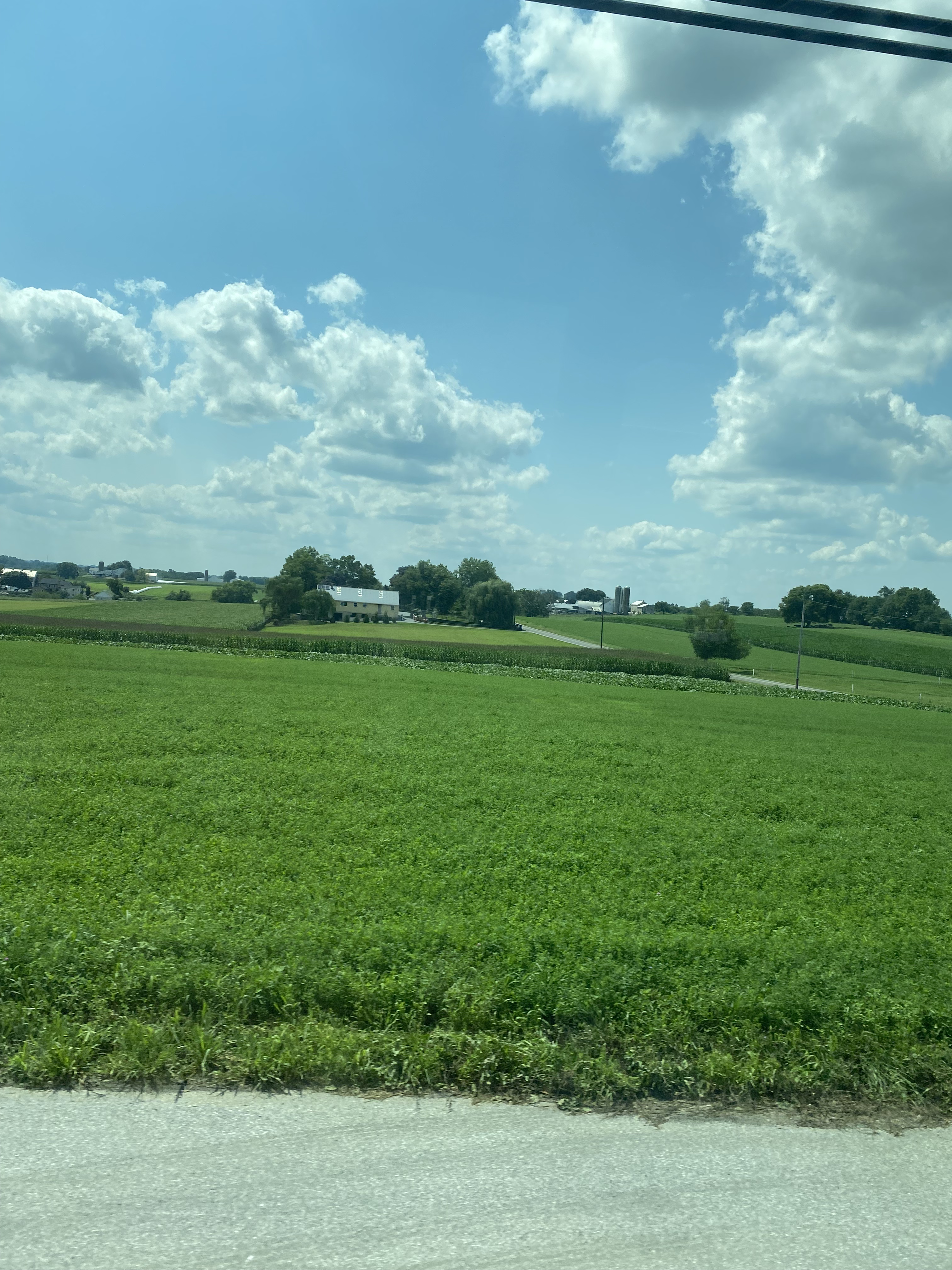
Farming at the Kenyan Coast is shaped by heat, humidity and tree crops. The coastal lowlands are warm and humid year-round, supporting coconut palms, cashew orchards and mango, while the cool Taita Hills form a green island of vegetables and highland crops. This guide to farming in Coast Kenya covers the counties, coastal zones and seasons, the leading crops and livestock, key markets, and the region's opportunities and challenges.
The counties and the landscape
The Coast region's main farming counties are:
- Kilifi — coconut, cashew, mango, cassava, sesame, bixa, and horticulture; a major fruit and nut county.
- Kwale — coconut, cashew, cassava, horticulture, and sugarcane in the Ramisi area, plus livestock.
- Taita-Taveta — a highland/lowland mix: vegetables, bananas, coffee and horticulture in the Taita Hills, and irrigated horticulture and sisal on the plains (Taveta).
- Lamu — cotton history, mango, cassava, sesame, cowpeas, and one of the region's more open agricultural frontiers.
Land tenure and access to water are important issues across the region, and much farming is smallholder and rain-fed, with tree crops providing long-term anchor income.
Coastal zones, seasons and rainfall
The Coast has a distinct climate that separates the humid strip from the drier hinterland and the cool hills.
| Zone | Where | Rainfall | Typical enterprises |
|---|---|---|---|
| Coastal lowland (humid strip) | Kilifi, Kwale, Lamu coast | 900–1,300mm | Coconut, cashew, mango, cassava, horticulture |
| Dry hinterland | Inland Kwale, Kilifi, Taveta plains | 500–900mm | Cassava, green grams, sesame, livestock, sisal |
| Taita Hills (highland) | Taita-Taveta | 1,000–1,600mm | Vegetables, bananas, coffee, horticulture |
Rainfall is bimodal: long rains around April–June (the main wet season) and shorter rains around October–November. High humidity and heat raise disease and pest pressure but also allow year-round growth where water is available.
Tree crops: the coastal signature
Coconut
Coconut is the emblem of coastal farming, giving nuts, coconut water, copra, oil, palm wine (mnazi), husks and timber from a single long-lived palm. Improved and hybrid varieties yield more and mature faster than traditional talls. The biggest gains come from value addition — pressing oil and processing husk and coir products rather than selling raw nuts.
Cashew nut
Cashew is a major Kilifi and Kwale crop: drought-tolerant, long-lived, and valuable for both nuts and cashew apples, with strong export demand. Many orchards are ageing, so replanting with improved varieties and reviving local processing are clear opportunities.
Mango and other fruit
Mango thrives along the coastal strip and hinterland, supplying fresh markets, hotels, processors and exporters. Fruit fly control and lining up buyers before harvest are the keys to profit. Citrus, pawpaw, and watermelon also do well in warmer zones.
Food and industrial crops
- Cassava — a coastal staple and drought-buffer, increasingly demanded for flour and industrial starch. See cassava farming in Kenya.
- Green grams, cowpeas and sesame (simsim) — drought-tolerant cash crops for the drier hinterland; see green grams farming.
- Sugarcane and sisal — grown in specific zones (Ramisi, Taveta) for industry.
- Bixa (annatto) — a niche coastal cash crop for natural dye.
Horticulture
The cool Taita Hills and irrigated Taveta plains are horticulture zones, producing tomatoes, kales, cabbages, onions, French beans and bananas for Mombasa, the tourist hotel trade, and beyond. See growing tomatoes in Kenya, onion farming and French beans farming. The strong hotel and tourism market along the coast is a distinctive, high-value outlet for consistent, quality vegetables.
Livestock
Livestock is important across the drier zones:
- Beef and dual-purpose cattle — extensive grazing in Kwale, Kilifi and Taita-Taveta rangelands; see beef cattle farming.
- Meat goats and sheep — well-suited to the dry hinterland; see meat goat farming.
- Poultry — kienyeji chicken are widely kept and supply both households and the hotel trade.
- Beekeeping — coastal woodlands support honey production; see beekeeping in Kenya.
Key markets and towns
| Market / town | County | Notable for |
|---|---|---|
| Kongowea (Mombasa) | (destination) | One of the largest markets in the region |
| Kilifi & Malindi | Kilifi | Cashew, coconut, mango, horticulture |
| Kwale / Ukunda | Kwale | Coconut, cashew, hotel-trade produce |
| Voi & Wundanyi | Taita-Taveta | Highland vegetables, fruit |
| Lamu | Lamu | Mango, cassava, sesame, local produce |
The coastal tourism industry and the port city of Mombasa give the region an unusually strong local market for fresh produce, fruit and eggs.
Opportunities
- Value addition: Coconut oil and coir, cashew processing, dried and juiced mango, and cassava flour all capture value that is currently exported raw or lost. See the value addition guide.
- Replanting tree crops: New, high-yielding coconut and cashew varieties can transform ageing orchards.
- Hotel and tourism market: Reliable, quality horticulture and eggs command premium prices from coastal hotels.
- Export crops: Mango, cashew and horticulture have export potential; see export markets for Kenyan produce.
- Irrigation: Drip irrigation unlocks year-round horticulture in the dry hinterland and Taveta.
Challenges
- Heat and humidity: High pest and disease pressure, and rapid spoilage of fresh produce without good handling.
- Ageing tree crops and weak processing: Old orchards and limited local processing depress cashew and coconut returns.
- Water access: Much of the hinterland is dry, and irrigation infrastructure is limited.
- Post-harvest losses: Mango and vegetables spoil quickly in the heat — see post-harvest management.
- Market and land issues: Broker dependence and land tenure complications affect some farmers.
Farming systems and how land is used
Coastal farming is anchored by long-lived tree crops. A typical homestead in the humid strip has coconut palms and cashew or mango trees providing steady, low-labour income year after year, with cassava, cowpeas, sesame and vegetables grown between and around them for food and quicker cash. In the drier hinterland, drought-tolerant crops and livestock dominate, while in the cool Taita Hills the system shifts toward intensive vegetables, bananas and coffee much like an upland zone.
The distinctive opportunity here is the market on the doorstep: Mombasa's large urban population and the coastal tourism industry create constant demand for fresh vegetables, fruit, eggs and honey. Farmers who keep quality consistent, harvest water for dry-season production through drip irrigation, replant ageing coconut and cashew orchards with improved varieties, and add value locally capture far more than those selling raw nuts and glut-season mango to brokers.
Making Coast farming pay
Coastal farmers do best by anchoring on productive tree crops, adding value locally, tapping the hotel and Mombasa markets with quality horticulture, and harvesting water for dry-season production.
Use Agrisoko's market intelligence to check what your coconuts, cashews, mangoes or vegetables should fetch, and list your produce to sell directly to processors, hotels and bulk buyers.
See also: Cassava farming in Kenya | Value addition for farmers in Kenya | Beekeeping in Kenya
Turn this guide into a market decision
Check live prices, browse active supply, or look at buyer demand before you move stock.