
Carrot Farming in Kenya: Nyandarua, Kinangop, Meru and Nairobi Markets
A practical guide to carrot farming in Kenya — the Nyandarua, Kinangop and Meru highlands, best varieties, soil, agronomy, pests, and Nairobi markets.
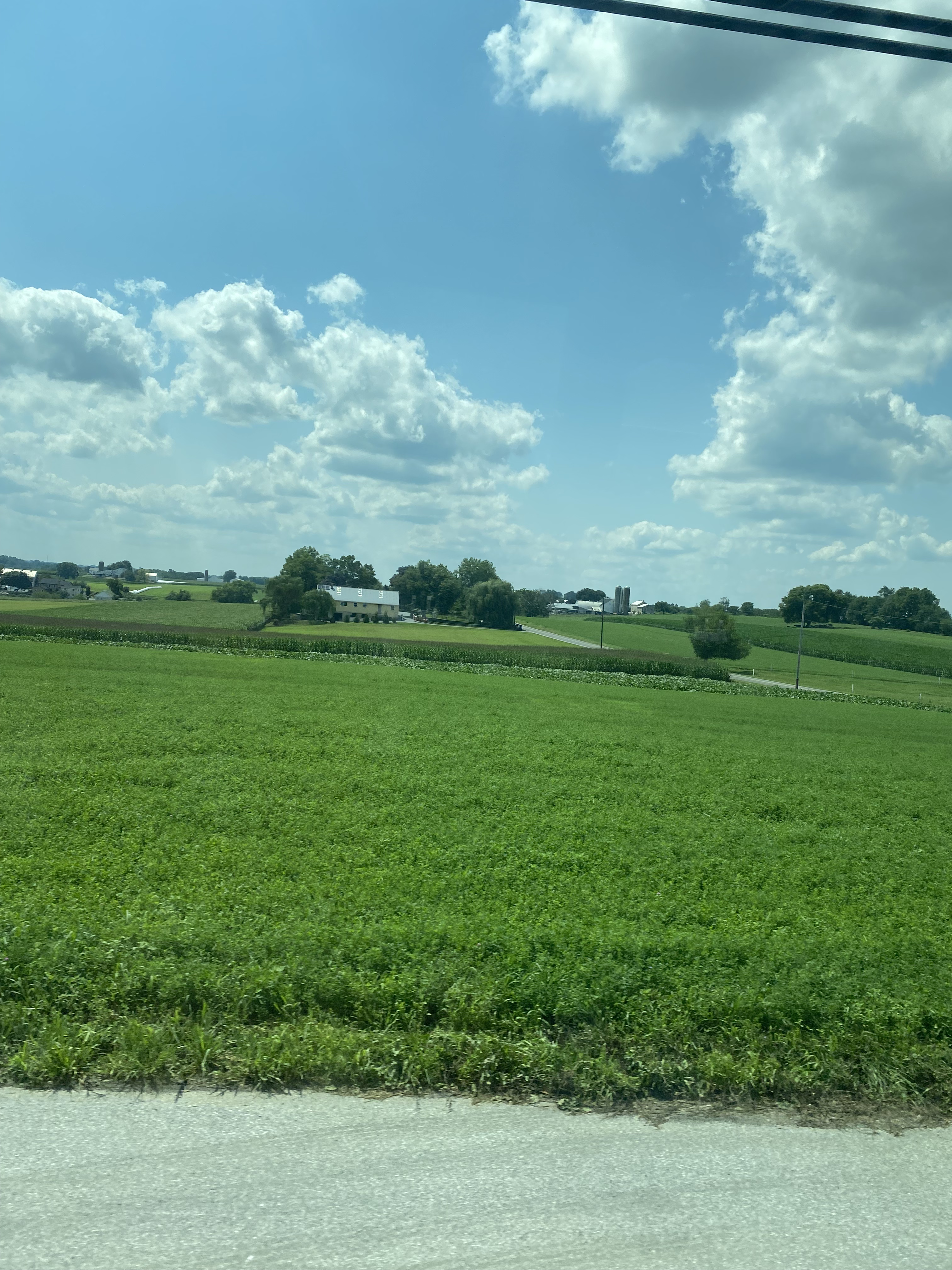
Carrot farming in Kenya is concentrated in the cool highlands, where deep volcanic soils and moderate temperatures produce the long, sweet, straight roots that supermarkets and markets demand. The Nyandarua and Kinangop plateau is the country's carrot heartland, backed by the Meru, Nyeri, and Nakuru highlands. With steady year-round demand from Nairobi and other towns, carrots are a dependable horticultural crop. This guide covers the growing zones, varieties, soil and agronomy, pests, harvesting, and markets.
Where carrots grow best in Kenya
Carrots are a cool-season crop that thrives at high altitude with temperatures of around 16–24°C. The main production zones are:
- Nyandarua and the Kinangop plateau — the largest producer, at 2,300–2,900m, with deep volcanic soils and cool weather ideal for carrots.
- Nyeri and the Mt Kenya highlands — strong secondary production.
- Meru highlands — cool upper slopes suit carrots alongside potatoes.
- Nakuru, Narok, Bomet, and Kiambu — additional highland production.
These areas share deep, loose, well-drained volcanic and sandy-loam soils — exactly what carrots need to form long, straight roots. Their proximity and good roads to Nairobi keep transport costs manageable.
Best carrot varieties
| Variety type | Root shape | Best for | Notes |
|---|---|---|---|
| Nantes | Long, cylindrical, sweet | Premium fresh market | Popular with supermarkets; needs deep soil |
| Chantenay | Short, broad, sturdy | Heavier soils | Tolerates less-than-perfect ground |
| Nantes F1 hybrids | Long, uniform | High-yield fresh market | Better uniformity and yield |
| Amsterdam | Slender, tender | Early/baby carrots | Niche premium market |
Nantes and Nantes-based hybrids dominate the fresh market for their sweetness and uniform shape. Chantenay is a safer choice on heavier ground.
Soil and land preparation
Soil preparation determines carrot quality more than almost anything else. Carrots form marketable roots only in deep, loose, stone-free soil.
- Plough deep (at least 30cm) and work the soil to a fine tilth.
- Incorporate well-rotted manure only — fresh manure causes forking and hairy roots.
- Apply a basal phosphate fertiliser (DAP or TSP) guided by a soil test; carrots respond well to phosphorus and potassium.
- Avoid stony, cloddy, or compacted ground, which produces the forked, stunted roots buyers reject.
Sowing and crop management
Carrots are sown directly — never transplanted, as transplanting distorts the roots.
- Sow seed thinly in rows 20–30cm apart, cover lightly, and keep moist until germination (1–3 weeks).
- Thin seedlings to about 5cm apart once established; crowding gives small, twisted roots.
- Weed early and shallowly — carrots compete poorly with weeds, and deep weeding damages roots.
- Top-dress with CAN for foliage and root bulking, but avoid excess nitrogen, which grows tops at the expense of roots.
- Irrigate consistently — erratic moisture causes splitting and cracking, while dry spells make roots woody.
Planting seasons and rotation
In the highland zones carrots can be grown almost year-round where irrigation is available, but most rain-fed production follows the two rainy seasons: the long rains from March and the short rains from October. Staggering plantings every few weeks gives a continuous supply and spreads market risk, so you are not harvesting everything into a single glut.
Rotate carrots with legumes (beans, peas), brassicas (cabbage, kale), or potatoes rather than following one carrot crop with another. Rotation breaks the cycle of carrot rust fly, nematodes, and soil-borne diseases, and helps maintain soil structure and fertility. Carrots also fit well as a break crop between heavier feeders in a highland vegetable rotation, and their short cycle lets you fit two or more crops into a year on the same land.
Pests and diseases
- Carrot rust fly — larvae tunnel into roots; rotate crops and use appropriate control.
- Nematodes — cause forking and galls; rotate away from susceptible crops and avoid infested land.
- Aphids and cutworms — manage with scouting and targeted control.
- Alternaria leaf blight and powdery mildew — fungal diseases of the foliage; use resistant varieties, spacing for airflow, and preventive fungicides in wet spells.
- Cavity spot and soft rots — reduce with well-drained soil and balanced nutrition.
Crop rotation and good field hygiene prevent most carrot problems.
Harvesting, washing and grading
Carrots mature in about 3–4 months when roots reach market size. Loosen the soil and lift by the tops to avoid breaking roots, harvesting in the cool of the day. Wash off soil, remove the tops, and grade by size and shape. Clean, uniform, straight carrots command the best prices; broken, forked, or oversized roots are discounted. Keep harvested carrots cool and out of direct sun, as they wilt and lose quality quickly in heat.
Yields, economics and markets
Good agronomy yields roughly 10–25 tonnes per acre. Farm-gate prices commonly range from KES 20 to KES 60 per kg depending on season and grade, with washed, graded carrots earning the premium. Input costs — seed, well-rotted manure, fertiliser, and labour for thinning and weeding — are moderate, making carrots a reliable earner.
Where to sell:
- Nairobi wholesale markets (Marikiti, Wakulima) — high volume from the nearby highlands.
- Supermarkets, hotels, and grocers — steady demand for washed, graded carrots.
- Regional town markets across the highlands and Rift Valley.
- Agrisoko marketplace — list your carrots to reach bulk buyers and traders.
Before selling, compare demand on the Agrisoko market intelligence dashboard and the carrot price page so you know the current spread and can time your harvest around gluts.
Key takeaways
- Carrots thrive in Kenya's cool highlands — Nyandarua, Kinangop, and the Meru and Nyeri slopes lead production.
- Root quality is made in the soil: deep, loose, stone-free ground and well-rotted manure only.
- Sow directly, thin, weed shallowly, and irrigate consistently to get straight, uniform roots.
- Wash and grade and check price signals before selling to earn the premium.
Ready to sell? List your carrots on Agrisoko to reach bulk buyers, and check the carrot price dashboard before you accept an offer. See also: Cabbage farming in Kenya and Soil testing in Kenya.
Turn this guide into a market decision
Check live prices, browse active supply, or look at buyer demand before you move stock.