
Cabbage Farming in Kenya: Varieties, Costs, Returns & Markets
Cabbage farming in Kenya: a highland guide for Nyandarua, Kiambu and Nakuru. Best varieties, spacing, pest control, yields, costs per acre and markets.
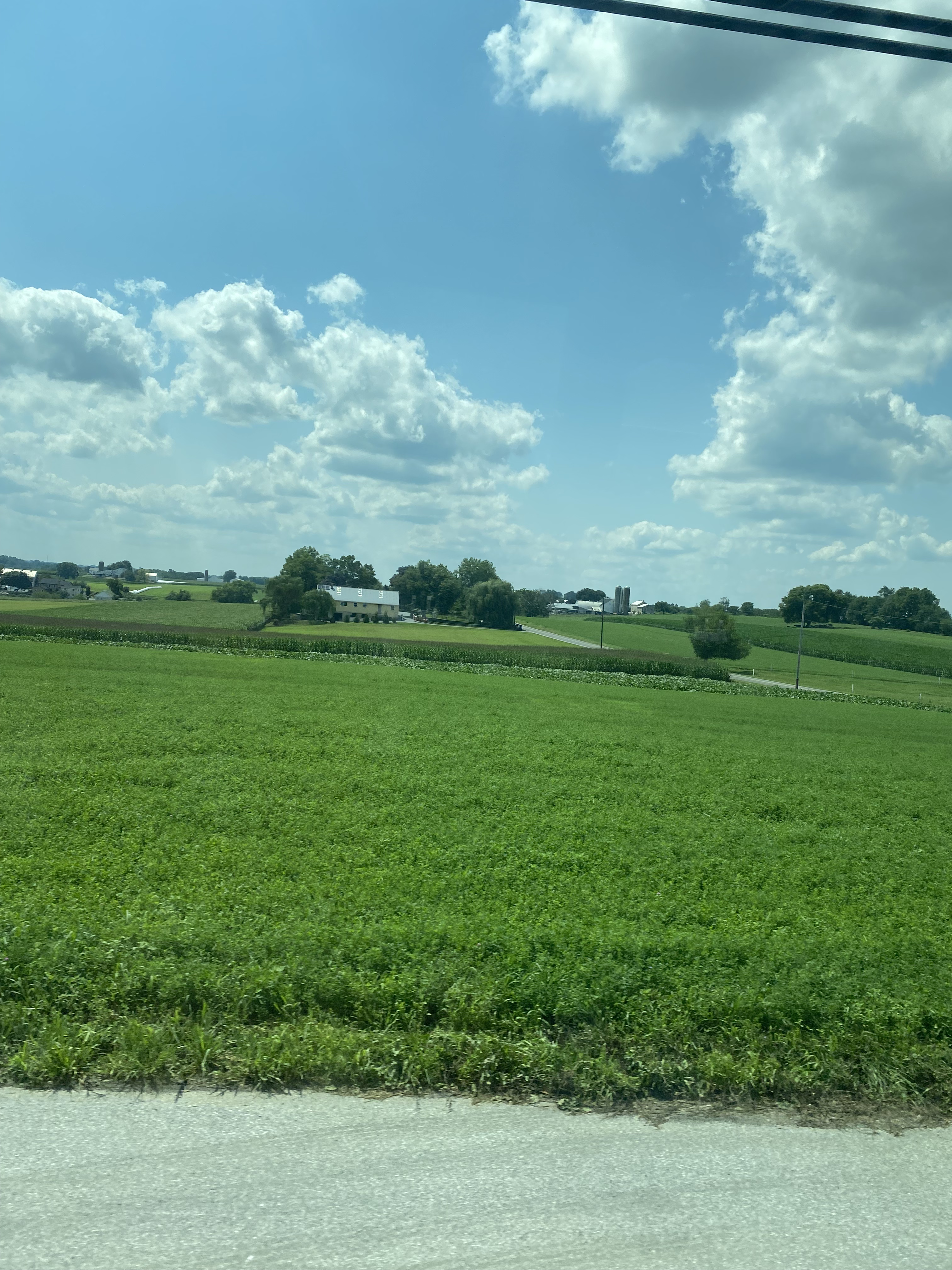
Cabbage farming in Kenya is one of the most dependable vegetable enterprises for highland farmers. Cabbages store and transport better than most leafy vegetables, demand is steady across markets and institutions, and with hybrid seed and good pest control the crop delivers reliable volume. This guide focuses on the cool highlands where cabbage thrives — Nyandarua, Kiambu, Nakuru, and similar zones — and covers varieties, agronomy, pests, costs, returns and markets.
Where cabbage grows best in Kenya
Cabbage is a cool-season crop and performs best in Kenya's highlands, roughly 1,600–2,900m.
- Nyandarua (Ol Kalou, Kinangop, Njabini) — cool plateaus, volcanic loams, a major supply zone.
- Kiambu (Limuru, Lari, Githunguri) — high, moist, close to the Nairobi market.
- Nakuru (Kuresoi, Molo, Bahati) — fertile highlands with good rainfall.
- Nyeri, Meru, Bomet, Narok highlands and the Rift escarpment — all reliable cabbage country.
These zones share cool temperatures, 1,000–1,400mm of rainfall (often bimodal), and deep, fertile, well-drained soils with a slightly acidic pH around 6.0–6.5. Warm lowlands produce loose, poor-heading cabbages and heavy pest pressure, so highlands are strongly preferred.
Best cabbage varieties for Kenya
| Variety | Type | Strength |
|---|---|---|
| Gloria F1 | Hybrid | Large uniform heads, disease tolerance, long shelf life |
| Queen F1 | Hybrid | High yield, good size, popular with traders |
| Riana F1 | Hybrid | Firm heads, good field standing ability |
| Pruktor F1 | Hybrid | Big heads, strong yield potential |
| Copenhagen Market | Open-pollinated | Cheaper seed, medium heads, widely known |
| Sugarloaf | Open-pollinated | Pointed sweet head, niche market appeal |
Gloria F1 is the market standard for uniform, marketable heads. F1 hybrids cost more in seed but pay back through uniformity, disease tolerance and higher marketable yield. Match head size to the buyer — households and hotels often prefer medium heads over giants.
From nursery to field
- Nursery (about 4 weeks): sow hybrid seed in raised beds or trays; keep moist and harden off before transplanting.
- Land prep: plough well and add well-rotted manure; cabbage is a heavy feeder.
- Basal fertiliser: DAP or a compound planting fertiliser.
- Transplant sturdy seedlings (4–5 true leaves) in the evening at about 45cm x 60cm — roughly 14,000–18,000 plants per acre.
- Top-dress with CAN in one or two splits during head formation, and keep the crop consistently moist. Erratic watering causes head splitting.
Pests and diseases
Diamondback moth
The dominant cabbage pest in Kenya's highlands and notorious for insecticide resistance. Control: scout weekly, use Bt-based biologicals, and strictly rotate insecticide classes. Intercropping and field hygiene help suppress numbers.
Aphids
Cluster on leaf undersides and heads, downgrading quality. Control early with appropriate insecticides and encourage natural enemies.
Black rot (bacterial)
Yellow V-shaped lesions from the leaf margins, blackened veins. Control: use clean seed, rotate crops, avoid working the field when wet, and remove infected plants.
Cabbage ringspot and downy mildew
Fungal issues in wet weather; manage with rotation, spacing for airflow, and preventive fungicides where needed.
Clubroot
Swollen, distorted roots in acidic, infected soils. Control: rotate away from brassicas, improve drainage, and lime to raise pH.
Harvesting
Cabbages mature 70–100 days after transplanting. Harvest when heads are firm and solid — squeeze to check. Cut at the base, trim the outer leaves, and grade by size. Move heads to market quickly; although cabbage keeps better than most vegetables, freshness still commands the best price. Harvesting can be staggered because heads hold in the field for a while, helping you dodge a sudden glut.
Costs and returns per acre (indicative)
| Item | Indicative cost (KES/acre) |
|---|---|
| Certified hybrid seed | 6,000–12,000 |
| Land prep | 6,000–12,000 |
| Fertiliser and manure | 20,000–35,000 |
| Crop protection | 12,000–30,000 |
| Labour (nursery, transplant, weeding, harvest) | 25,000–45,000 |
| Total | ~70,000–130,000 |
A well-managed acre yields roughly 12,000–16,000+ marketable heads. At farm-gate prices of KES 15–40 per head (which swing widely with supply), the gross can comfortably exceed costs — but a glut can push prices below KES 10, so timing and buyer relationships matter.
Planting calendar and beating gluts
Cabbage can be grown almost year-round in the highlands with enough moisture, but supply — and therefore price — follows the rains.
| Window | Nursery | Transplant | Harvest | Market note |
|---|---|---|---|---|
| Long rains | Feb–Mar | Mar–Apr | Jun–Jul | High supply, prices often soft |
| Short rains | Aug–Sep | Sep–Oct | Dec–Jan | Steadier demand, holiday buying |
| Irrigated off-season | Any | Any | Lean months | Best prices, needs water |
The most profitable cabbage is usually the crop that matures when few others do. If you have irrigation, deliberately target the lean-supply weeks rather than harvesting alongside every other highland farmer. Staggering transplant dates by two-week intervals also smooths your own supply and reduces the risk of a single glut wiping out your margin.
Markets: where to sell cabbage in Kenya
- Open-air markets (Wakulima/Marikiti in Nairobi, Kongowea in Mombasa, Nakuru and local town markets) — high volume via brokers.
- Institutions — schools, hospitals, colleges and camps buy in steady bulk.
- Supermarkets, hotels and grocers — pay more for graded, uniform, clean heads and reliable supply.
- Agrisoko marketplace — list your cabbages to reach bulk buyers and transporters directly.
Cabbage prices are cyclical. When many highland farmers harvest together, prices crash. Before selling, compare quotes on the Agrisoko market intelligence dashboard and check the live cabbage price page so you can hold, grade or redirect your crop rather than dumping at the bottom.
Tips to stay profitable
- Stagger planting so you are not harvesting everything at once.
- Grade honestly and sell to buyers who reward quality.
- Rotate brassicas out of the field to break clubroot and pest cycles.
- Watch the market and target institutions and steady buyers over one-off broker sales.
Key takeaways
- Cabbage thrives in Kenya's cool highlands — Nyandarua, Kiambu, Nakuru and similar zones.
- Gloria F1 and other hybrids give the uniform, marketable heads buyers want.
- Diamondback moth and black rot are the key threats — scout, rotate chemistries and use clean seed.
- Returns are solid when you avoid gluts, grade well and sell to steady buyers.
Grown a good crop? List your cabbages on Agrisoko, track demand on the market intelligence dashboard, and follow the cabbage price page to sell when prices are strong.
Buying cabbages in bulk?
Get cabbages supplier offers
Tell us your organisation and how much you need. Agrisoko matches suppliers across Kenya at today's market price.
No account needed. Your details stay private — we broker the intro.
Turn this guide into a market decision
Check live prices, browse active supply, or look at buyer demand before you move stock.