
Soya Bean Farming in Kenya (2026 Guide): Inoculant, Varieties, Contracts & Markets
Grow soya beans in Kenya: best varieties, rhizobium inoculant, Western and Rift agronomy, per-acre yields, processor contracts, prices and where to sell soya.
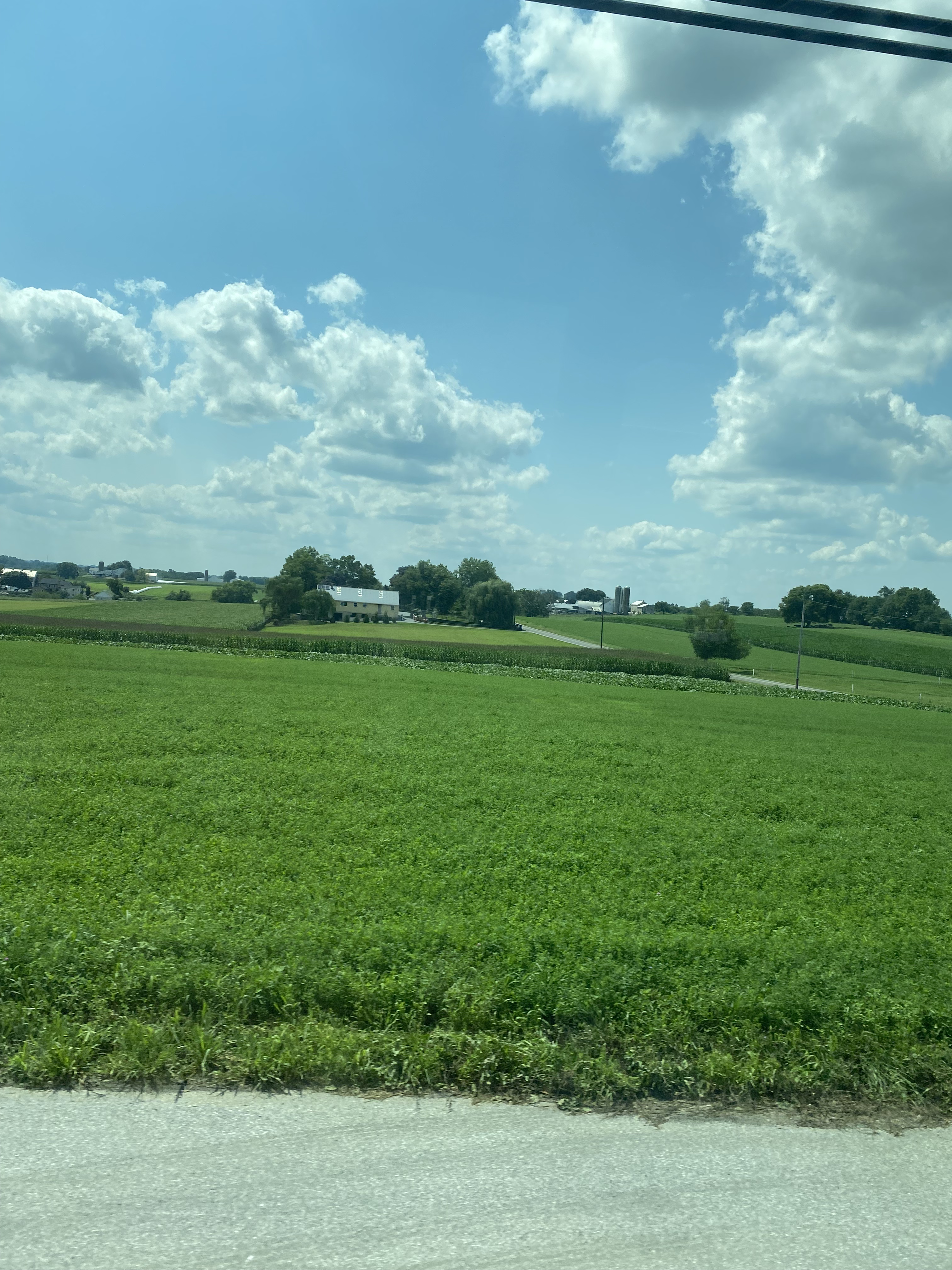
Soya bean farming in Kenya is a growing opportunity for farmers who plan ahead. Demand for soya is rising fast — driven by the animal-feed industry (poultry and dairy), edible-oil processors and a wave of soy-food and soy-milk companies — while local production still falls short, so much soya is imported. For farmers, soya offers firm prices, a valuable break crop that fixes nitrogen and helps beat striga in maize rotations, and, increasingly, processor contracts that guarantee a market. The two things that separate a profitable soya crop from a disappointing one are rhizobium inoculant and securing a buyer before you plant. This guide covers both, plus varieties, agronomy and markets, with realistic 2026 Kenyan numbers.
Where soya grows in Kenya
Soya does best in warm, medium-altitude zones with well-distributed rainfall, roughly 1,000–1,800m and 600–1,200mm per season, on well-drained loam soils. The strongest producing regions are:
- Western Kenya: Bungoma, Busia, Kakamega, Vihiga, Trans Nzoia and Siaya — the heartland of Kenyan soya, where it doubles as a striga-breaking rotation after maize.
- Nyanza: Homa Bay, Migori, Kisumu lowlands.
- Rift Valley: parts of Nakuru, Bomet, Kericho and Nandi lower zones.
Because soya restores nitrogen and helps run down the striga seed bank, it is an ideal rotation partner in the maize systems of Western Kenya — see the Kakamega maize guide for how soya fits a striga-control rotation.
Choosing the right variety
| Variety | Maturity | Nodulation | Notes |
|---|---|---|---|
| SB19 | Medium | Promiscuous | Popular, good yield and adaptability |
| Gazelle | Medium | Good | Widely grown, dependable |
| EAI 3600 | Medium | Good | Reliable yielder in Western zones |
| Nyala | Medium | Promiscuous | Nodulates well even without inoculant |
| SC Squire | Medium | Good | Good grain quality |
"Promiscuous" varieties nodulate with native soil bacteria and yield reasonably even without inoculant — but inoculating still boosts yield. Match maturity to your rainfall, and always buy fresh certified seed: soya loses germination fast if stored warm or long.
Rhizobium inoculant — the key input
Inoculant is the highest-return input in soya farming and often the difference between a mediocre and an excellent crop:
- What it does: Coats the seed with beneficial rhizobium bacteria that form root nodules and fix atmospheric nitrogen, cutting fertiliser needs and lifting yield and seed protein.
- When it matters most: On land that has not grown soya before, or that lacks the right native bacteria — common in Kenya.
- How to use it: Mix the inoculant slurry with seed just before planting (a little sugar-water helps it stick), keep it cool and out of direct sunlight, and plant the same day. Do not mix inoculant with fertiliser or leave coated seed in the sun.
- Cost vs return: Inoculant is cheap relative to fertiliser and typically adds several extra bags per acre — one of the best-value inputs in Kenyan farming.
Season calendar
| Period | Activity |
|---|---|
| Before season | Secure buyer/contract, buy certified seed and inoculant |
| February–March | Land preparation; buy phosphate fertiliser |
| March–April | Inoculate and plant long-rains crop with first reliable rains |
| Weeks 1–5 | Early weeding (critical), scout for pests |
| Flowering & pod-set | Scout and spray for aphids, pod borers and rust if needed |
| ~90–120 days | Pods and leaves dry; harvest promptly to avoid shattering |
| After harvest | Dry to 12–13%, thresh gently, grade and deliver |
| October–November | Plant short-rains crop in suitable bimodal areas |
Land preparation, planting and fertiliser
- Fine, well-drained seedbed: Soya germinates poorly in cloddy or waterlogged soil; make drainage furrows on heavy land.
- Spacing: about 45–50cm between rows and 5–10cm within the row, 3–4cm deep, for a full, competitive stand.
- Fertiliser: apply a light phosphate dose (DAP or P-rich NPK) at planting for root and nodule development. Keep nitrogen low — the inoculated nodules supply most of the crop's nitrogen. On acidic soils, lime plus phosphate improves nodulation and yield.
- Rotation: grow soya after maize to restore nitrogen, break striga and disease cycles, and lift the following maize crop.
Pests, diseases and weed control
- Weeds: The number-one yield thief in soya. Keep the crop clean for the first 3–5 weeks — soya competes poorly early. Use a pre-emergence herbicide plus one or two weedings.
- Aphids, pod borers, leaf-eaters, bollworm: Scout from flowering and spray recommended insecticides when thresholds are reached, especially at pod-set.
- Soybean rust and leaf spots: Worse in humid conditions; use tolerant varieties, rotation and fungicides where justified.
- Shattering at harvest: Over-dry pods split and drop seed — harvest promptly once pods are dry and handle gently.
- Storage pests: Dry well and use hermetic bags or an approved protectant.
Indicative costs, yields and gross margin (per acre, 2026)
These are indicative ranges and vary with variety, soil, management, input prices and season — a planning guide, not a guarantee.
| Item | Indicative KES per acre |
|---|---|
| Land preparation | 4,000–7,000 |
| Certified seed (about 25–30kg) | 4,000–7,000 |
| Rhizobium inoculant | 500–1,500 |
| Fertiliser (phosphate at planting) | 3,000–5,500 |
| Herbicide + pesticide | 3,000–6,500 |
| Planting + weeding labour | 5,000–9,000 |
| Harvesting, threshing, drying, bags | 4,000–8,000 |
| Total variable cost | ~23,500–44,500 |
| Yield (well managed) | 4–8 bags (90kg) |
| Farm-gate / contract price (indicative) | KES 7,000–11,000 / 90kg bag |
| Gross revenue | ~30,000–90,000 |
| Indicative gross margin | ~10,000–55,000 |
The margin looks tighter than maize per bag, but soya's soil-building value in a maize rotation — extra nitrogen, less striga, higher following-maize yield — is real income that does not show up in a single-season table.
Harvesting, drying and storage
Harvest as soon as most pods are dry, brown and rattling and the leaves have dropped — waiting too long causes shattering and lost seed. Cut or uproot in the cool of the morning, dry on a tarpaulin, and thresh gently to avoid cracking the seed. Dry grain to about 12–13% moisture for safe storage. Grade for clean, whole, uniform seed and store in dry, ventilated or hermetic bags. Because soya oil content makes seed prone to going rancid, do not hold grain too long in warm, humid stores.
Where and how to sell your soya — and why contracts matter
Soya is not yet as widely traded at open-air markets as maize or beans, so line up your buyer before planting:
- Animal-feed manufacturers: The largest and steadiest buyers, using soya meal for poultry and dairy feed.
- Oil and soy-food processors: Edible oil, soy milk, soy flour and textured protein companies.
- Aggregators and cooperatives: Bulk and grade the crop to processor specification; some offer contracts with seed and inoculant on credit.
- NGOs and programmes promoting soya in Western Kenya sometimes link farmers to structured buyers.
- Direct buyers on Agrisoko: List your soya with grade and moisture stated clearly to reach buyers beyond your locality.
A contract or pre-agreed market protects you from the main risk in soya — a good harvest with no local buyer. Before agreeing any price, check the broader market intelligence dashboard and compare grain prices such as maize to judge how your soya offer stacks up against alternative crops.
Sell your soya beans for more on Agrisoko
Soya rewards farmers who plan the market as carefully as the crop — inoculate, weed early, harvest on time, and sell to a buyer you secured in advance. Use Agrisoko to follow the market intelligence dashboard, compare buyers, and list your soya beans for sale so feed makers, processors and aggregators come to you instead of you searching for a buyer after harvest.
Buying beans in bulk?
Get beans supplier offers
Tell us your organisation and how much you need. Agrisoko matches suppliers across Kenya at today's market price.
No account needed. Your details stay private — we broker the intro.
Turn this guide into a market decision
Check live prices, browse active supply, or look at buyer demand before you move stock.