
Maize Farming in Kakamega (2026 Guide): Acidic Soils, Striga, Lime & Markets
Grow maize in Kakamega, Kenya: high-rainfall zones, acidic soils and liming, striga weed control, best varieties, per-acre yields and where to sell for more.
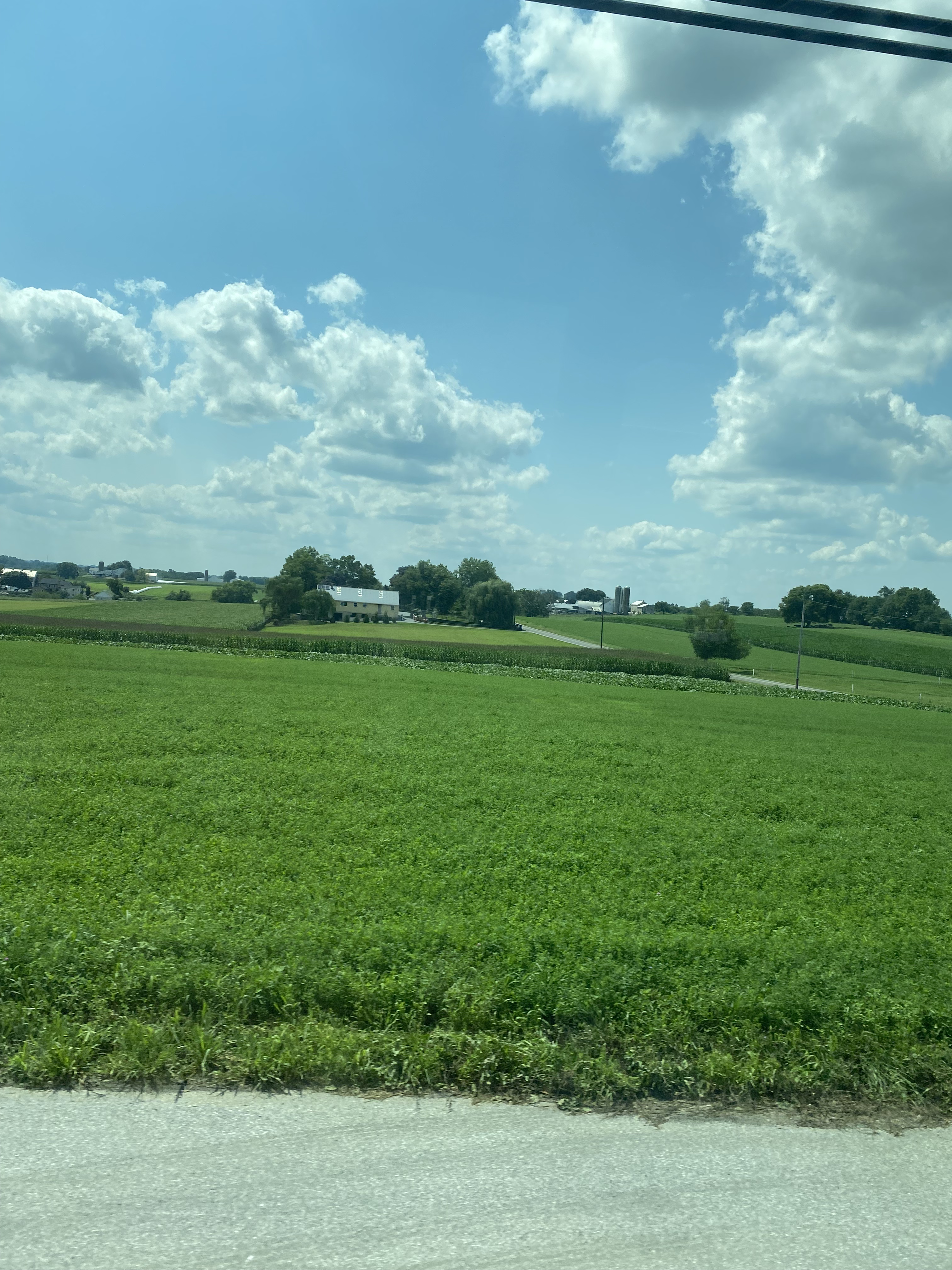
Maize farming in Kakamega is a story of high rainfall, dense population and enormous untapped potential. Western Kenya's warm, humid midlands can grow excellent maize, yet smallholder yields here are often well below what the land could give — held back by acidic soils, the parasitic striga weed, tiny plot sizes and low fertiliser use. The good news is that every one of those constraints has a practical, affordable fix. This guide shows how to grow maize profitably in Kakamega — from liming acidic soils and beating striga to variety choice, agronomy and markets — with realistic 2026 Kenyan numbers.
Kakamega's maize-growing conditions
Kakamega County lies in the Lake Victoria basin at roughly 1,300–1,800m above sea level, with a warm, humid climate and high, reliable bimodal rainfall of 1,400–2,000mm a year. The soils are deep but often acidic (frequently pH 4.5–5.5), and continuous cropping on small family plots has run down fertility across the county.
Key areas include Kakamega town and Lurambi, Malava, Mumias, Butere, Khwisero, Ikolomani and Lugari — the last being one of the county's more productive, larger-scale maize zones bordering the Uasin Gishu grain belt.
County-specific challenges to plan for:
- Soil acidity: Low pH locks up phosphorus so maize cannot use the fertiliser applied. Liming is the single biggest yield lever here.
- Striga (witchweed): A parasitic weed that devastates maize on infertile, striga-infested fields — worst where fertility is low.
- High disease pressure: The humid climate favours grey leaf spot, northern leaf blight, maize streak, cob rots and MLND.
- Small plots and low input use: Land fragmentation means intensive, well-fed maize (often intercropped with beans) is the only path to a decent harvest.
- Post-harvest and aflatoxin risk: Drying maize in a humid climate demands real discipline.
Choosing the right variety
Match maturity to the season and prioritise disease and striga tolerance.
| Variety | Maturity | Best-suited use | Notes |
|---|---|---|---|
| WH 505 / WH 507 | Medium | Western midlands | Bred for the region; good disease tolerance |
| DK 777 | Medium | Midlands | Widely grown, dependable |
| DUMA 43 | Early-medium | Shorter seasons / short rains | Fast, useful for the second season |
| IR / striga-tolerant hybrids | Medium | Striga-infested fields | Herbicide-coated seed kills attaching striga |
| PAN / Pioneer mediums | Medium | Midlands | Choose MLND- and disease-tolerant options |
| H614 / H6213 | Medium-late | Higher, cooler Lugari pockets | Higher yield where the season is longer |
Rule of thumb: across most of Kakamega use disease-tolerant medium hybrids; on striga-infested land use IR or striga-tolerant seed; and in the cooler Lugari highlands a medium-late hybrid lifts yield. Always buy fresh certified seed — recycled hybrid seed collapses yield and worsens disease.
Fixing acidic soils with lime
Liming is the highest-return single practice for most Kakamega farms. On acidic soil, much of the phosphorus in your DAP is chemically locked up and wasted.
- Test first. A simple soil test tells you the pH and the lime rate needed — do not guess.
- Apply lime a few weeks before planting, broadcast and incorporated, at the recommended rate (often around a few hundred kilograms to a tonne per acre depending on pH).
- Use lime-friendly fertilisers such as NPK blends rather than straight DAP on very acidic fields.
- Build organic matter with manure or compost to buffer pH and feed soil life.
Lime works over more than one season, so treat it as an investment amortised over two to three crops.
Controlling striga (witchweed)
Striga thrives on poor, infertile soil and can slash yields. Beat it with an integrated approach:
- Fertility first: Well-fertilised, limed maize with manure strongly suppresses striga — starving the field starves your maize and feeds the weed.
- IR / striga-tolerant seed: Herbicide-coated (imazapyr-resistant) hybrid seed kills striga as it attaches to the roots.
- Rotation and push-pull: Rotate maize with legumes, especially soya, and adopt the push-pull system (maize intercropped with desmodium and bordered by napier or Brachiaria) which suppresses striga and fall armyworm together. See the soya bean farming guide for the rotation partner.
- Hand-pull striga before it flowers so it never sets seed — the seed bank lasts years, so preventing seeding is essential.
Two-season calendar
| Period | Activity |
|---|---|
| January–February | Soil testing, liming, land preparation, buy inputs |
| March–April | Plant long-rains maize with first reliable rains + fertiliser |
| April–May | First weeding, striga hand-pulling, scout for fall armyworm |
| ~6 weeks | Top-dress (CAN/urea), second weeding |
| June–July | Grain filling; disease and pest scouting |
| July–August | Long-rains harvest and dry-down |
| August–September | Plant short-rains crop (early/medium varieties) |
| December–February | Short-rains harvest, drying, storage and selling |
Land preparation, planting and fertiliser
- Prepare a fine seedbed and ensure good drainage — waterlogging in the wet climate stunts maize and spreads disease.
- Spacing: 75cm between rows and 25–30cm within rows, one seed per hole, for a full stand; many farmers intercrop bush beans between rows.
- At planting: ~50kg NPK or DAP per acre on limed soil, placed below and beside the seed.
- Top-dress: ~50kg CAN or urea at knee-high and a further 25–50kg before tasseling on strong crops. Register early for the subsidised fertiliser programme through your ward office.
Pests, diseases and weed control
- Fall armyworm: Scout from emergence; treat the whorl early in the evening and rotate actives. Push-pull also helps.
- Grey leaf spot, northern leaf blight, maize streak, MLND, cob rots: Choose tolerant varieties, ensure drainage, rotate with legumes and remove volunteer maize.
- Stalk borer: Field hygiene plus timely control.
- Weeds and striga: Keep clean for the first 6 weeks and stay on top of striga every season.
Indicative costs, yields and gross margin (per acre, 2026)
These are indicative ranges and vary with soil, striga pressure, management, input prices and season — a planning guide, not a guarantee.
| Item | Indicative KES per acre |
|---|---|
| Land preparation | 4,000–7,000 |
| Certified seed (10kg) | 3,500–5,500 |
| Lime (amortised over crops) | 2,000–5,000 |
| Fertiliser (NPK/DAP + CAN/urea) | 10,000–18,000 |
| Manure/compost | 2,000–5,000 |
| Herbicide + pesticide | 3,000–6,000 |
| Planting + weeding labour | 5,000–9,000 |
| Harvesting, shelling, drying, bags | 4,000–8,000 |
| Total variable cost | ~33,000–63,000 |
| Yield (well managed) | 18–30 bags (90kg) |
| Farm-gate price (indicative) | KES 3,800–5,200 / 90kg bag |
| Gross revenue | ~70,000–155,000 |
| Indicative gross margin | ~25,000–95,000 |
Because Western Kenya is a net maize-deficit region, farm-gate prices are often firm — good yields translate quickly into cash.
Harvesting, drying and storage
Harvest when husks are dry and grain is hard. The humid Kakamega climate makes drying discipline critical to prevent mould and aflatoxin. Dry grain to about 13.5% moisture — use raised drying cribs or tarpaulins and dry thoroughly before shelling. Treat with an approved protectant and store in dry, ventilated or hermetic (PICS) bags off the floor. Good storage lets you hold grain for the price rise months after harvest.
Where and how to sell your maize
Kakamega has reliable local demand:
- Local millers and traders: In Kakamega town, Mumias, Malava, Butere and Khayega, buying for quick cash.
- NCPB depot: Buys clean, dry, graded grain at a gazetted price; register in advance.
- Cooperatives and aggregators: Bulking improves bargaining power and market access.
- Animal-feed buyers: Steady regional demand.
- Direct buyers on Agrisoko: List grain with clear moisture and grade to reach buyers beyond local brokers.
Because the region imports maize from the Rift, prices tend to hold up — but still compare buyers and hold some grain for later. Before agreeing any price, check the live maize price and the broader market intelligence dashboard.
Sell your Kakamega maize for more on Agrisoko
Kakamega's land can grow far more maize than most farms currently harvest — lime, feed the soil, beat striga, and the yields follow. Then use Agrisoko to track current maize prices, compare buyers across Western Kenya, and list your maize for sale so serious millers and traders come to you instead of you taking the first broker offer at the farm gate.
Buying maize in bulk?
Get maize supplier offers
Tell us your organisation and how much you need. Agrisoko matches suppliers across Kenya at today's market price.
No account needed. Your details stay private — we broker the intro.
Turn this guide into a market decision
Check live prices, browse active supply, or look at buyer demand before you move stock.