
Kenya Planting Calendar: What to Plant When, by Region & Season
A Kenya planting calendar covering long rains and short rains by region. Learn what to plant when, month-by-month timing, and a full season table.
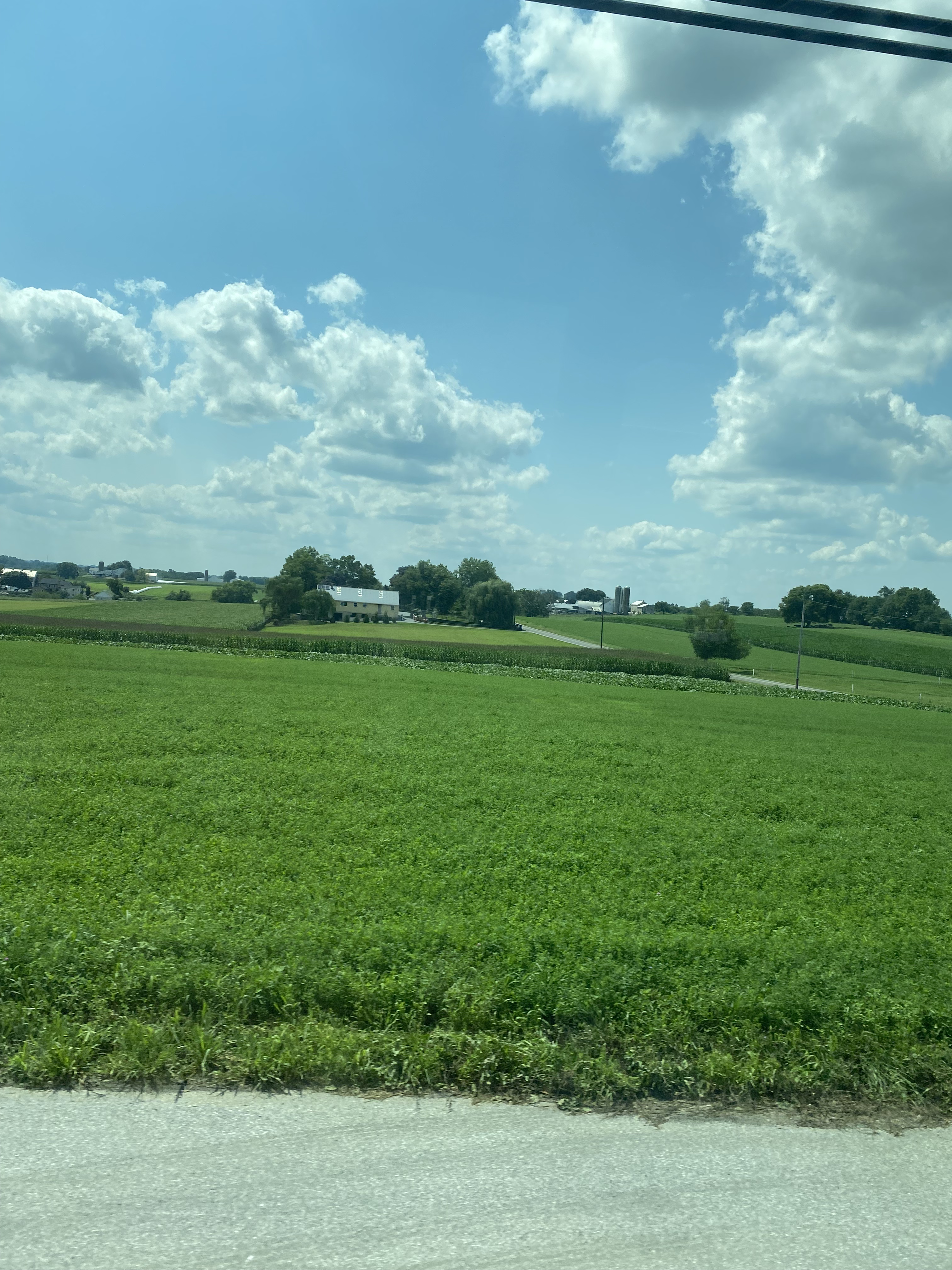
A reliable planting calendar is one of the most valuable tools a Kenyan farmer can have. Because most farming here depends on rainfall, planting at the right moment determines whether your crop gets moisture through its critical stages — or runs dry before harvest. This Kenya planting calendar explains the long rains and short rains, breaks timing down by region, and gives a season table showing what to plant when.
Kenya's two rainfall seasons
Most of Kenya has a bimodal rainfall pattern — two wet seasons a year:
- Long rains: roughly March to May, the main growing season for many staple crops.
- Short rains: roughly October to December, a second cropping window, and often the more reliable season in drier areas.
Western Kenya is an exception, with a longer, more continuous wet season from around March through to September or October, allowing continuous cropping. Timing shifts from year to year, so treat these as guides and always confirm the local onset before you commit seed.
Why timing matters more than you think
For rain-fed farmers, planting date is often the single biggest yield factor — bigger than fertiliser rate or variety. The goal is to have your crop's most water-sensitive stages (germination, flowering, grain fill) line up with reliable rainfall.
- Plant too early and you risk a false start, where early showers germinate seed that then dies in a dry spell.
- Plant too late and the crop runs out of rain before it matures, cutting yield sharply.
Many experienced farmers dry-plant just before the expected onset, so seed is in place to use the very first reliable rains and get a full growing season.
Planting by region
Kenya's diverse zones mean no single calendar fits everyone. Here is a regional guide.
High-potential highlands (Central, parts of Rift Valley)
Cool, reliable rainfall. Long rains from March support maize, potatoes, beans, and highland vegetables like cabbage and kale. A short-rains crop of vegetables and beans follows from October.
North Rift grain basket (Trans Nzoia, Uasin Gishu, Nakuru)
The maize belt. Long-season maize is planted with the long rains from around March–April as a single main crop, harvested from October. Wheat and barley also feature here.
Western Kenya (Kakamega, Bungoma, Busia)
Longer, more continuous rains allow two maize crops and continuous cropping of beans, groundnuts, and vegetables. Main planting from March, with a second crop possible around August–September.
Eastern and lower midlands (Machakos, Makueni, Kitui)
Semi-arid. The short rains (October–December) are often the more reliable season. Focus on drought-tolerant crops — green grams, cowpeas, sorghum, millet, and early-maturing maize.
Coast (Kilifi, Kwale, Taita)
Long rains from around April are the main season for maize, cowpeas, cassava, and coconuts, with a short-rains crop of vegetables and pulses.
Arid and semi-arid lands (ASALs)
Rainfall is scarce and erratic. Farming centres on the short rains and on very drought-tolerant crops, pasture, and livestock, with irrigation where water is available.
Month-by-month planting calendar
This season table summarises typical timing across much of bimodal Kenya. Adjust to your local rainfall onset.
| Month | Long-rains zones | Short-rains / semi-arid zones |
|---|---|---|
| January | Land preparation, source inputs | Harvest short-rains crop; land prep |
| February | Dry-plant maize; prepare seedbeds | Prepare land; source drought-tolerant seed |
| March | Plant maize, beans, potatoes as rains start | Plant early where rains begin |
| April | Continue planting; top-dress; weed | Weed; manage moisture |
| May | Late planting of short-season crops | Harvest early crops |
| June | Weeding, pest scouting, top-dressing | Land prep; irrigated vegetables |
| July | Crop management; irrigated horticulture | Dry-season vegetables (with water) |
| August | Western: second maize crop | Prepare for short rains |
| September | Harvest long-rains crop; land prep | Prepare land; source seed |
| October | Plant short-rains vegetables & beans | Plant green grams, sorghum, millet, maize |
| November | Weed, top-dress short-rains crop | Weed and manage the main season crop |
| December | Continue management; plan next season | Crop management; scout for pests |
What to plant when: crop timing
- Maize — long rains (March) in high-potential zones; early-maturing varieties for short rains and semi-arid areas.
- Beans — both seasons; fast-maturing, fits between longer crops.
- Potatoes — highland long and short rains.
- Green grams & cowpeas — short rains in semi-arid counties; drought-tolerant and quick.
- Sorghum & millet — short rains and ASALs; reliable where maize struggles.
- Vegetables (kale, cabbage, tomatoes) — both rainy seasons, and dry season with irrigation for premium off-season prices.
- Wheat & barley — long rains in the North Rift.
Matching variety to season length
Choosing a variety whose maturity period fits your season is as important as the planting date. A long-season maize planted late will not finish before the rains stop. In shorter or less reliable seasons, choose early-maturing and drought-tolerant varieties so the crop completes its cycle on available moisture.
Planning inputs and markets around the calendar
The planting calendar is also a buying and selling calendar:
- Buy inputs early — seed, fertiliser, and tractor hire are cheaper and available before the season peaks.
- Prepare land in the dry months so you can plant the moment rains arrive.
- Anticipate price cycles — prices fall at harvest gluts and rise in off-season. Growing off-season vegetables with irrigation targets those higher prices.
Check current and seasonal price trends on Agrisoko market intelligence so you can time both planting and selling to your advantage.
Common timing mistakes
- Waiting too long after the rains establish, shortening the season.
- Planting long-season varieties late, so they run out of rain.
- Ignoring local onset and following a fixed date every year.
- Buying inputs at peak season when prices and shortages bite.
- Growing water-hungry crops in semi-arid zones instead of drought-tolerant ones.
Get started with Agrisoko
A good planting calendar turns unpredictable weather into a plan. Confirm your local rainfall onset, match variety to season length, prepare land early, and line up inputs and markets around the season.
Explore crop-specific guides on Agrisoko Learn, track price cycles on market intelligence, and when your harvest is in, sell it on Agrisoko to reach buyers across the country.
Related: Maize farming in Trans Nzoia | Farming in arid and semi-arid lands of Kenya
Buying maize in bulk?
Get maize supplier offers
Tell us your organisation and how much you need. Agrisoko matches suppliers across Kenya at today's market price.
No account needed. Your details stay private — we broker the intro.
Turn this guide into a market decision
Check live prices, browse active supply, or look at buyer demand before you move stock.