
Mango Farming in Makueni: Apple, Ngowe, Kent and Processor Markets
A complete guide to mango farming in Makueni — Eastern ASAL, Apple, Ngowe and Kent varieties, fruit fly control, harvesting, and processor markets.
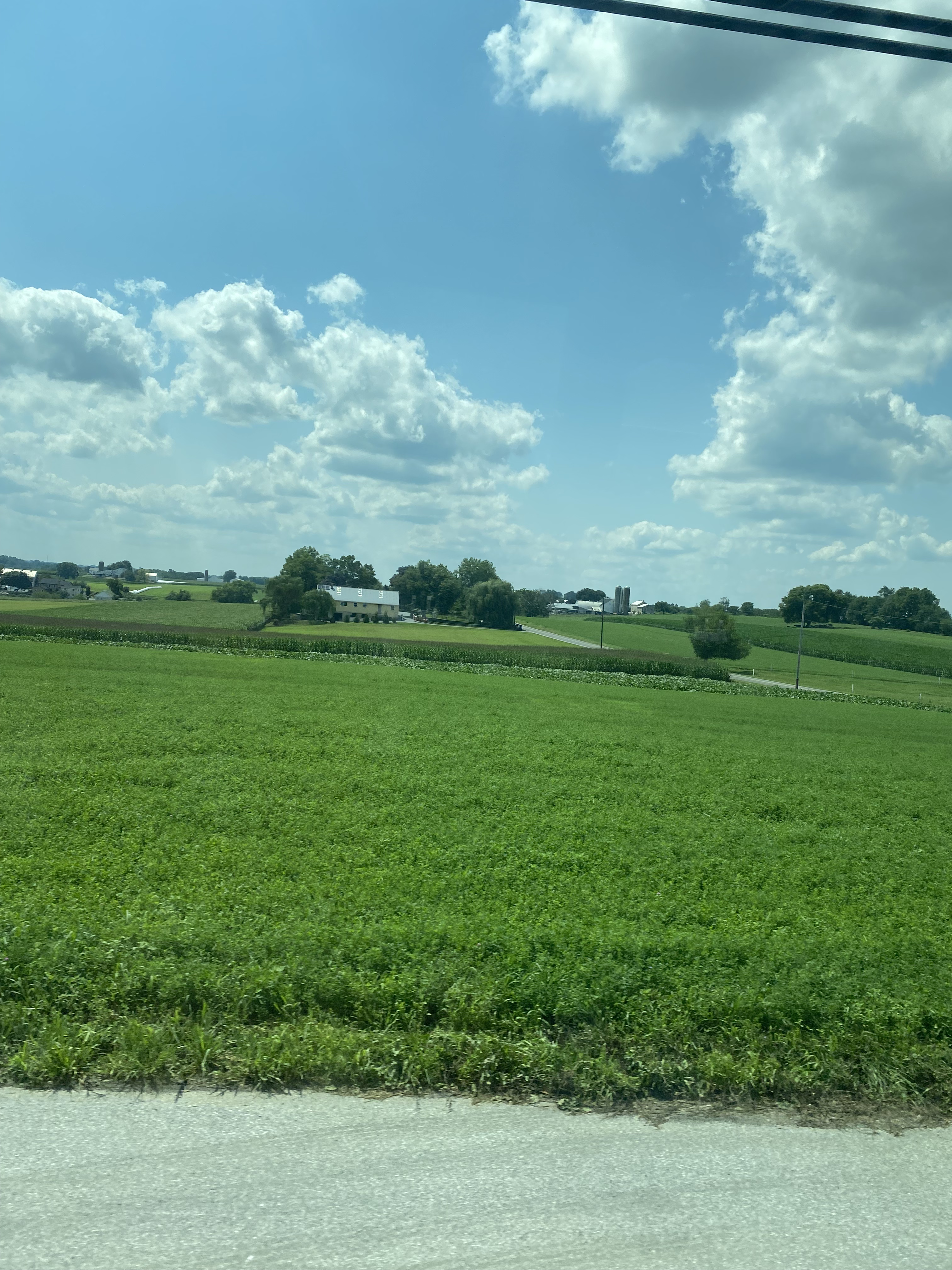
Mango farming in Makueni is a cornerstone of the county's agricultural economy, with tens of thousands of farmers growing mangoes across the warm, semi-arid landscape. Makueni's climate — hot, with a clear dry season — is well suited to mangoes, producing sweet, high-quality fruit sought by fresh markets, exporters, and processors alike. The county has invested heavily in value addition to help farmers escape the price collapse that hits during the peak harvest. This guide covers varieties, orchard establishment and care, fruit fly control, harvesting, and the off-taker, processor, and juice markets.
Why Makueni suits mangoes
Makueni lies in the Eastern arid and semi-arid lands (ASAL) at roughly 600–1,200m, with warm-to-hot temperatures, moderate and unreliable rainfall, and a distinct dry season. Mangoes thrive in exactly these conditions:
- Warmth and sunshine drive strong growth and sugar development.
- A dry flowering and ripening season reduces fungal disease and improves fruit quality.
- Deep, well-drained soils in much of the county suit mango roots.
Major production zones include Makindu, Kibwezi, Wote, Mbooni, Kathonzweni, and Kilome, backed by strong farmer cooperatives and processor linkages. Mangoes are a natural fit for a drought-prone county because established trees are deep-rooted and resilient once past the first few years.
Best mango varieties for Makueni
| Variety | Strength | Market |
|---|---|---|
| Apple mango | Sweet, high demand, processor-accepted | Fresh, processing, local |
| Ngowe | Good flavour, export history, popular | Fresh, export |
| Kent | Large, colourful, good shelf life | Export, premium fresh |
| Tommy Atkins | Firm, long shelf life, transports well | Export, distant markets |
| Van Dyke | Attractive colour, good eating quality | Export, premium |
| Apple (local seedling) | Hardy, cheap | Processing, juice |
Apple mango is the backbone of Makueni orchards for its flavour, demand, and processor acceptance. Adding Ngowe, Kent, Tommy Atkins, and Van Dyke spreads the harvest window and opens export and premium markets. Always plant grafted, certified seedlings — they fruit sooner and truer than seed-grown trees.
Establishing an orchard
- Dig planting holes about 60cm wide and deep ahead of the rains, mixing topsoil with well-rotted manure and a little phosphate fertiliser.
- Space trees 8–10m apart — mature mangoes form large canopies.
- Plant grafted seedlings at the onset of reliable rain.
- Water and mulch young trees for the first 2–3 years; in Makueni's dry climate, supplementary water and heavy mulch are the difference between establishment and loss. Build a basin around each tree to capture rain and irrigation.
Grafted trees begin bearing in about 3–4 years and reach full production at 7–10 years, then produce for decades.
Orchard care and pruning
Formative-prune young trees to build a strong, open framework. Prune mature trees after harvest to remove dead and crowded wood, open the canopy to light and air, and keep height manageable for spraying and picking. Good pruning improves fruit size and colour and reduces disease. Apply manure and balanced fertiliser annually, and control weeds around the tree basins.
Fruit fly and disease control
Fruit fly is the single biggest threat to Makueni mangoes and the main barrier to export. Larvae infest fruit, causing rot and drop and leading to rejection by premium buyers. Manage it with an integrated programme:
- Orchard sanitation — collect and destroy fallen and infested fruit; this is the foundation.
- Protein bait sprays and pheromone/parapheromone traps to knock down populations.
- Timely harvesting so fruit is not left to over-ripen on the tree.
Also control anthracnose and powdery mildew — fungal diseases that damage flowers and fruit — with preventive fungicides during flowering and wet spells. Scout for mealybugs and scale insects too.
Harvesting and post-harvest
Harvest mature-but-firm fruit at the mature-green to colour-break stage, cutting with a short stalk rather than pulling to avoid sap burn and tearing. Handle gently to prevent bruising, keep fruit shaded, and grade by size and quality. Careful handling and timing decide whether fruit reaches the fresh and export markets or only the processor. Because the harvest peaks over a short window, post-harvest handling, cold chain where available, and quick movement to market are critical to avoid losses.
Yields and economics
A mature, well-managed grafted mango tree in Makueni can produce 200–500 fruits or more per season, and at typical spacing an acre carries roughly 50–70 trees. Once orchards reach full production, the crop becomes a low-input, high-return asset because established trees are drought-hardy and need mainly pruning, fertiliser, and pest control rather than replanting each season. Farm-gate prices swing dramatically through the season — from strong early-season prices of KES 15–30 per fruit down to glut prices of just a few shillings when everyone harvests at once. That price collapse, not production, is the central economic challenge, which is why timing, off-taker contracts, and value addition matter so much.
Beating the peak-season glut with markets and value addition
Makueni's mango harvest peaks around the same time for everyone, and fresh prices can crash from strong early-season levels to very low glut prices. The county's strategy — and the smart farmer's — is to diversify outlets:
- Fresh markets — local, Nairobi (Marikiti, Wakulima), and regional towns.
- Exporters — premium graded Kent, Ngowe, and Apple fruit, subject to fruit-fly-free and quality standards.
- Processors and juice/pulp factories — bulk off-take, including county-supported value-addition plants and KALRO-linked initiatives that buy mangoes for pulp, juice, and dried products.
- Off-taker and cooperative contracts — aggregate volume for better bargaining power.
- On-farm value addition — drying and pulping to sell when fresh prices are low.
- Agrisoko marketplace — list your mangoes to reach bulk buyers, off-takers, and traders.
Before selling, compare demand on the Agrisoko market intelligence dashboard and fruit price signals such as the mango price page so you can decide whether to sell fresh, hold for a processor, or add value.
Key takeaways
- Makueni's warm, dry ASAL climate is excellent for mangoes, led by Apple mango with Ngowe, Kent, and Tommy Atkins for spread and export.
- Plant grafted, certified trees, and water and mulch them through the first few dry years.
- Fruit fly control and sanitation protect fruit quality and export access.
- Beat the peak-season glut by selling to processors and off-takers and adding value.
Ready to sell? List your mangoes on Agrisoko to reach off-takers and bulk buyers, and check the mango price dashboard before you accept an offer. See also: Farming in arid and semi-arid lands (ASAL) in Kenya and Post-harvest management in Kenya.
Turn this guide into a market decision
Check live prices, browse active supply, or look at buyer demand before you move stock.