
Maize Farming in Nandi (2026 Guide): Highland Zones, Rotation, Mechanisation & Markets
Grow maize in Nandi, Kenya: highland zones and tea belt, best varieties, crop rotation, mechanisation, per-acre yields and where to sell maize for more.
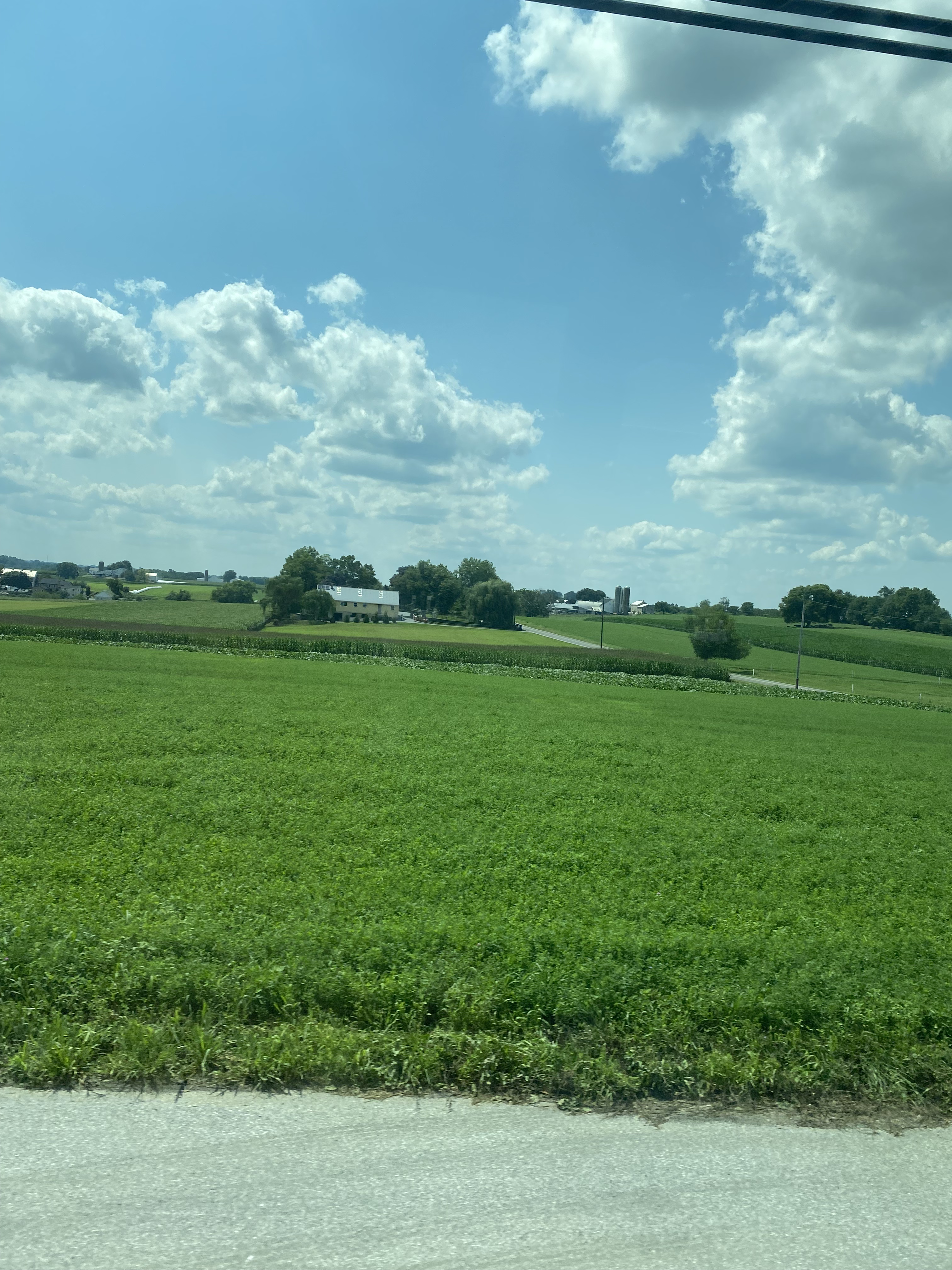
Maize farming in Nandi combines the advantages of a cool, high-altitude climate, deep fertile soils and a long single growing season — the same conditions that make the neighbouring Uasin Gishu and Trans Nzoia grain baskets so productive. Nandi is best known for tea, but its plateau and mid-slope arable land is excellent maize country, and the county's better farms rival any in the Rift for yield. The keys here are matching variety to zone, managing soil acidity through liming and rotation, using mechanisation to plant on time, and selling smart. This guide covers all of it with realistic 2026 Kenyan numbers.
Nandi's maize-growing zones
Nandi County sits mostly between 1,700m and 2,300m above sea level on the western edge of the Rift Valley highlands, with a cool climate and reliable rainfall of 1,200–2,000mm, heaviest on the escarpment. Think of it in zones:
- High, wet escarpment — Nandi Hills, Tinderet (1,900m+): Prime tea country; too wet and steep for the best maize, though maize grows on suitable pockets.
- Central plateau — Kapsabet, Mosop, Emgwen (1,900–2,200m): Cool, long-season, deep red loams — the heart of Nandi maize, with wheat, beans and dairy alongside.
- Lower western and southern slopes — Aldai, Nandi South (1,500–1,900m): Warmer, slightly shorter season; medium-maturity maize and mixed cropping.
County-specific challenges to plan for:
- Soil acidity: Years of continuous maize and DAP have acidified many plateau fields, locking up phosphorus — liming is essential.
- Grey leaf spot and MLND: The cool humid highlands favour these diseases; tolerant varieties and rotation are the defence.
- Sloping land and erosion on the escarpment — contour management and cover matter.
- Fall armyworm and stalk borer remain the main insect threats.
Choosing the right variety
Match maturity length to your zone's altitude and season length.
| Variety | Maturity | Best-suited zone | Notes |
|---|---|---|---|
| H614 | Late (~6 months) | High cool plateau (Kapsabet, Mosop) | Top yield potential in the long, cool season |
| H629 | Late | High cool plateau | Good yield and standability; strong H614 alternative |
| DK 8031 / DK 90-89 | Late/medium-late | High to mid altitude | Vigorous, popular, good grain quality |
| H6213 | Medium | Mid altitude / shorter pockets | Safer where the season is a little shorter |
| DK 777 | Medium | Lower slopes (Aldai, Nandi South) | Reliable, widely grown |
| PAN / Pioneer hybrids | Varies | Varies | Match maturity rating and choose disease-tolerant options |
Rule of thumb: on the cool high plateau plant late maturers (H614, H629, DK 8031) for maximum yield; on lower or shorter-season slopes drop to a medium maturer so the crop finishes grain-filling before drier weather. Always buy fresh certified seed.
Rotation and soil management
Nandi's biggest long-term yield lever after variety is breaking the continuous-maize habit:
- Rotate with legumes: A maize–bean or maize–soya rotation fixes nitrogen, breaks disease cycles (grey leaf spot, MLND, cob rots), and suppresses striga and soil pests. The following maize crop yields more on less fertiliser.
- Lime acidic soils: Soil-test and apply agricultural lime before planting so phosphorus becomes available — one of the highest-return practices in the county.
- Build organic matter with manure from the region's dairy herds and by returning crop residues.
- Where suited, rotate or diversify with potatoes and wheat on the plateau.
For the rotation partners, see the dry beans farming guide and the soya bean farming guide.
Long-rains season calendar
| Period | Activity |
|---|---|
| December–February | Soil testing, liming, primary ploughing, book tractors, buy inputs |
| March–April | Harrow, plant with first reliable rains + planting fertiliser |
| April–May | First weeding, gap-filling, scout for fall armyworm |
| ~6 weeks (knee-high) | First top-dressing (CAN/urea), second weeding |
| Before tasseling | Second top-dress on strong crops; disease scouting |
| June–August | Grain filling; pest and disease monitoring |
| September–October | Maturity, dry-down, harvest |
| October–December | Drying, shelling, storage and selling |
Mechanisation for on-time planting
On Nandi's larger plateau farms, mechanisation is what makes timely, accurate planting possible:
- Tractor ploughing and harrowing in the dry season means you plant the moment rains are reliable — late land prep is the top cause of lost yield.
- Tractor planters place seed and fertiliser at the correct depth and spacing for a uniform stand.
- Mechanised shelling cuts post-harvest losses and speeds getting grain to market.
- Book early. By the March rush every tractor is fully booked; reserve in December–February. On smaller or sloping plots, ox-ploughing and shared hire still pay off. See the tractor hire guide for Kenya for rates and booking tips.
Land preparation, planting and fertiliser
- Spacing: 75cm between rows and 25–30cm within rows, one seed per hole, gives roughly 44,000 plants per acre for a full stand.
- At planting: ~50kg DAP or NPK compound per acre, placed below and beside the seed; prefer NPK blends on very acidic fields.
- Top-dress: ~50kg CAN or urea at knee-high, and a further 25–50kg before tasseling on strong crops. Register early for the subsidised fertiliser programme through your ward office where available. Never skip top-dressing — well-timed nitrogen separates 30-bag fields from 15-bag ones.
Pests, diseases and weed control
- Fall armyworm: Scout from emergence; treat the whorl early in the evening and rotate actives.
- Stalk borer: Timely control plus field hygiene — destroy residues that harbour larvae.
- Grey leaf spot, MLND, northern leaf blight: Choose tolerant varieties, rotate with legumes and remove volunteer maize.
- Weeds: Keep the crop clean for the first 6 weeks — early competition steals yield. Pre-emergence herbicide plus one or two weedings works well on larger farms.
Indicative costs, yields and gross margin (per acre, 2026)
These are indicative ranges and vary with zone, soil, management, input prices and season — a planning guide, not a guarantee.
| Item | Indicative KES per acre |
|---|---|
| Land preparation (plough + harrow) | 4,000–7,000 |
| Certified seed (10kg) | 3,500–5,500 |
| Fertiliser (DAP/NPK + CAN/urea) | 12,000–20,000 |
| Lime (amortised) | 1,500–4,000 |
| Herbicide + pesticide | 3,000–6,000 |
| Planting + weeding labour | 4,000–8,000 |
| Harvesting, shelling, drying, bags | 5,000–9,000 |
| Total variable cost | ~33,000–59,000 |
| Yield (well managed) | 22–34 bags (90kg) |
| Farm-gate price (indicative) | KES 3,500–5,000 / 90kg bag |
| Gross revenue | ~80,000–170,000 |
| Indicative gross margin | ~40,000–115,000 |
Margins swing hardest on yield and selling price, so variety, liming, rotation, fertiliser and marketing matter far more than shaving a little off land prep.
Harvesting, drying and storage
Harvest when husks are dry and grain is hard. As in the rest of the Rift highlands, the harvest can run into damp weather, so drying discipline is critical to avoid mould and aflatoxin. Dry grain to about 13.5% moisture before storing — NCPB and serious millers reject wet or mouldy grain. Shell clean (mechanised shelling helps), treat with an approved protectant, and store in dry, ventilated or hermetic (PICS) bags off the floor so you can hold for a better price.
Where and how to sell your maize
Nandi sits among Kenya's best maize markets:
- NCPB depot: Buys clean, dry, graded grain at a gazetted price; register in advance and plan for possible payment delays.
- Local and regional millers and traders: In Kapsabet, Nandi Hills, and neighbouring Eldoret and Kakamega — quick cash but often lower prices.
- Cooperatives and aggregators: Bulking improves bargaining power and market access.
- Animal-feed buyers: Steady demand from the region's dairy and poultry sector.
- Direct buyers on Agrisoko: List grain with clear moisture and grade to reach buyers beyond local brokers.
Split your crop between quick cash at harvest and grain held in good storage for the seasonal price rise. Before agreeing any price, check the live maize price and the broader market intelligence dashboard.
Sell your Nandi maize for more on Agrisoko
Nandi's plateau can produce grain-basket yields when you match variety to zone, lime the soil, rotate and plant on time. Then use Agrisoko to track current maize prices, compare buyers across the Rift, and list your maize for sale so serious millers, feed makers and traders come to you instead of you taking the first broker offer at the farm gate.
Buying maize in bulk?
Get maize supplier offers
Tell us your organisation and how much you need. Agrisoko matches suppliers across Kenya at today's market price.
No account needed. Your details stay private — we broker the intro.
Turn this guide into a market decision
Check live prices, browse active supply, or look at buyer demand before you move stock.