
Farming in Western Kenya: Crops, Livestock, and Markets in Kakamega, Bungoma, Busia and Vihiga
Guide to farming in Western Kenya — Kakamega, Bungoma, Busia and Vihiga. Rainfall, seasons, crops like maize and sugarcane, poultry, markets and opportunities.
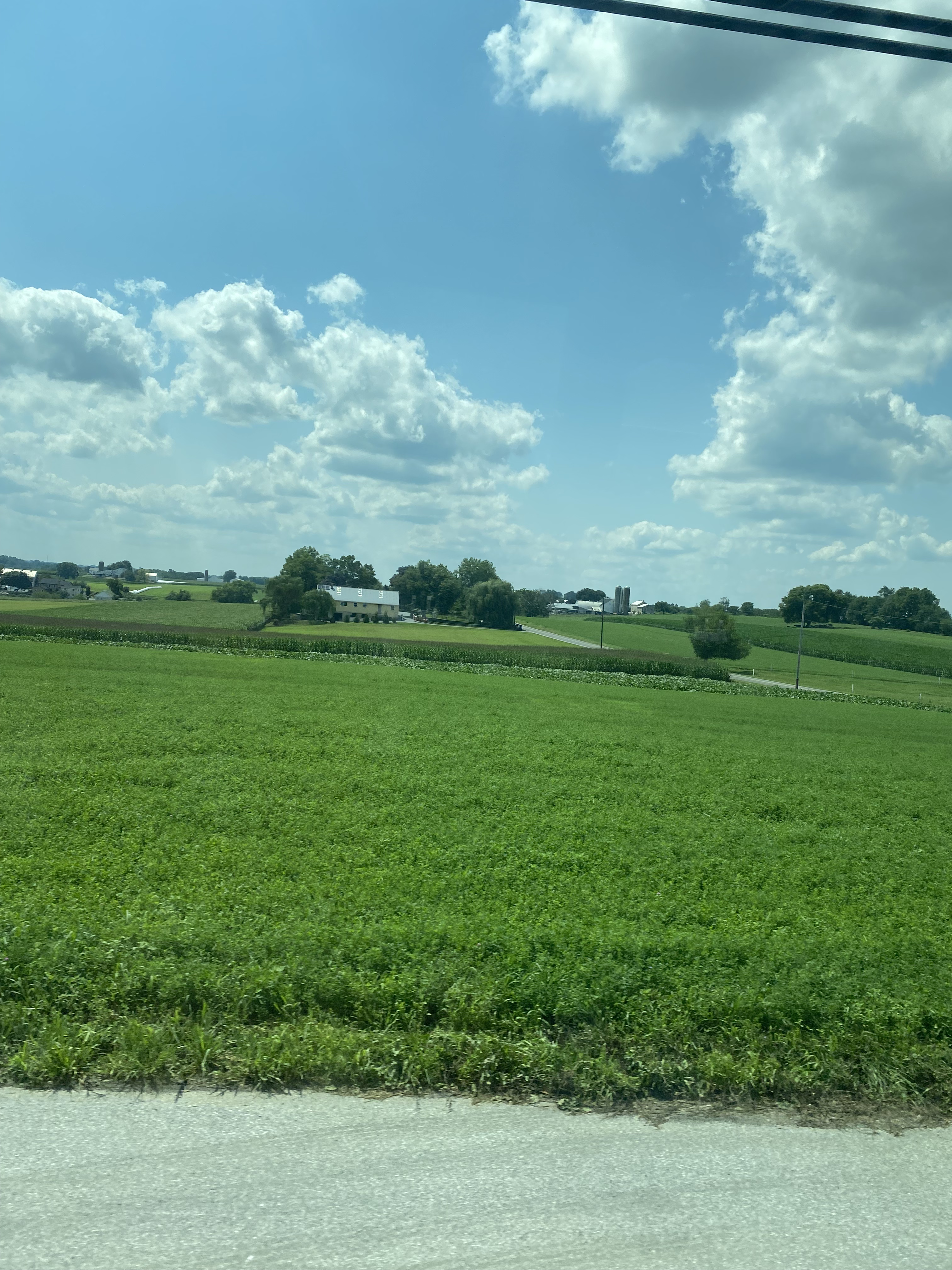
Western Kenya is one of the country's most productive and densely farmed regions. High, reliable rainfall, deep soils, and a long farming tradition make it the food basket for millions of households. This guide to farming in Western Kenya covers the counties, agro-ecological zones, seasons, dominant crops and livestock, the main markets, and the opportunities and challenges every farmer in the region should understand.
The counties and the landscape
The core of Western Kenya is made up of four counties:
- Kakamega — the most populous, with maize, sugarcane, tea in the highland Nandi-border zones, and a strong poultry and dairy presence.
- Bungoma — a leading maize and sugarcane county, stretching from the fertile plains up the slopes of Mount Elgon.
- Busia — a border county with Uganda, strong in cassava, sweet potatoes, groundnuts, cotton history, and vibrant cross-border trade.
- Vihiga — small, hilly and very densely populated, with tea, dairy, bananas, and intensive smallholder mixed farming.
Farms here are generally small — often under two acres — so land is used intensively, with intercropping and continuous cultivation the norm.
Rainfall, seasons and agro-ecological zones
Western Kenya has some of the most dependable rainfall in the country. Most areas receive 1,200–2,000mm a year, spread across a long and a short season with useful showers in between.
| Season | Approximate months | Main activity |
|---|---|---|
| Long rains | March–June | Main maize/beans planting and sugarcane growth |
| Dry spell | July–August | Harvesting long-rains maize, land prep |
| Short rains | September–November | Second planting (maize, beans, horticulture) |
| Dry spell | December–February | Land clearing, cane harvesting, dry-season vegetables |
Agro-ecologically, the region runs from warm, humid lower midlands near Lake Victoria and the Busia plains up to cooler upper midlands and highlands on the Nandi escarpment and Mount Elgon slopes. The higher zones favour tea and dairy; the mid and lower zones favour maize, sugarcane, cassava and groundnuts.
Dominant crops
Maize and beans
Maize is the backbone of Western Kenya farming, almost always intercropped with beans. Yields vary widely — from a few bags per acre on tired, unfertilised soils to 20–30 bags where certified seed, correct fertiliser and good spacing are used. Soil acidity is a major hidden yield-killer here, so lime and soil testing pay off quickly. When it is time to sell, read our guide on how to sell maize in Kenya to avoid selling cheap at harvest glut.
Sugarcane
Sugarcane is the region's signature industrial crop, feeding millers around Mumias, Bungoma, Busia and Kakamega. It offers bulk income but ties up land for 18–24 months and depends heavily on the miller paying on time. Many farmers now grow cane on part of their land and keep the rest for faster-return food crops.
Groundnuts, cassava and other food crops
Busia and parts of Bungoma and Kakamega are strong in groundnut farming, a high-value, protein-rich crop with good local and cross-border demand. Cassava, sweet potatoes, sorghum and finger millet are important drought-buffer and food-security crops, while bananas and kales provide steady household cash.
Horticulture and emerging crops
Tomatoes, kales, onions, and local vegetables (managu, mrenda, spider plant) sell well in the busy regional markets. Soya beans and sunflower are expanding as farmers look for rotation crops that also fetch cash.
Livestock and poultry
Livestock is woven into almost every farm:
- Dairy — grade and crossbred cows thrive in the cooler zones of Vihiga and highland Kakamega; see the dairy cattle farming guide.
- Poultry — indigenous kienyeji chicken are kept by nearly every rural household and are one of the easiest income earners to scale.
- Dairy goats — increasingly popular on small plots for milk and manure; see dairy goat farming.
- Pigs and fish — pig keeping is common near urban centres, and pond fish farming (tilapia, catfish) is growing across the lakeside counties.
Key markets and towns
Western Kenya has a dense network of markets:
| Market / town | County | Notable for |
|---|---|---|
| Kakamega town | Kakamega | Regional hub, cereals, produce, inputs |
| Chwele | Bungoma | One of the largest open-air markets in the region |
| Bungoma town | Bungoma | Maize, sugarcane services, agro-inputs |
| Busia | Busia | Cross-border trade with Uganda |
| Mumias | Kakamega | Sugar milling and cane logistics |
| Luanda | Vihiga | Busy produce and livestock market |
| Webuye | Bungoma | Trade and processing centre |
The Uganda border at Busia and Malaba means many products — maize, groundnuts, bananas, fish — cross both ways, giving farmers extra outlets but also exposing local prices to regional swings.
Opportunities
- Soil correction: Much of the region's land is acidic. Liming and balanced fertiliser can lift maize and bean yields dramatically at modest cost.
- Diversification beyond cane: Groundnuts, soya, poultry, dairy goats and horticulture give faster, more frequent income than sugarcane.
- Value addition: Groundnut paste, cassava flour, and packaged local vegetables fetch far more than raw produce.
- Fish and dairy: Rising demand in growing towns like Kakamega and Bungoma supports both.
- Cross-border demand: Proximity to Uganda widens the market for cereals, groundnuts and bananas.
Challenges
- Small, fragmenting land: High population means shrinking plots, so intensification and high-value crops matter more than acreage.
- Soil acidity and declining fertility: Continuous cropping without lime or organic matter erodes yields.
- Sugarcane payment delays: A long-standing frustration that has hurt cane-dependent households.
- Post-harvest losses: Wet weather at harvest raises aflatoxin and spoilage risk — good drying and storage are essential. Read our post-harvest management guide.
- Market gluts: Everyone harvesting maize at once pushes prices down; storage and staggered selling protect margins.
Farming systems and how land is used
Because plots are small and rainfall is generous, Western Kenya farms are among the most intensively used in the country. A typical household combines a maize-and-beans main plot, a patch of local vegetables and bananas near the homestead, a few indigenous chickens, and often one or two dairy cows or goats — with sugarcane or groundnuts as the main cash line where land allows. This mixed model spreads risk across food, cash and livestock, and keeps something producing in almost every month.
The route to higher income here is rarely more land — it is higher productivity per acre. That means certified seed, correcting soil acidity with lime, planting at the right spacing and time, controlling fall armyworm and other pests early, and adding at least one higher-value enterprise such as improved poultry, dairy goats, or a horticultural crop for the busy regional markets.
Making Western Kenya farming pay
The farmers who do best in Western Kenya treat their small land intensively, correct their soils, spread risk across crops and livestock, and sell strategically rather than dumping at harvest. Checking prices before you sell and finding buyers directly makes a real difference to what you take home.
Use Agrisoko's market intelligence to see what your maize, groundnuts, or produce are worth before you accept a broker's offer, and list your produce to sell directly to bulk buyers across the region and beyond.
See also: Maize farming in Bungoma | Groundnut farming in Kenya | Kienyeji chicken farming in Kenya
Buying maize in bulk?
Get maize supplier offers
Tell us your organisation and how much you need. Agrisoko matches suppliers across Kenya at today's market price.
No account needed. Your details stay private — we broker the intro.
Turn this guide into a market decision
Check live prices, browse active supply, or look at buyer demand before you move stock.