
Maize Farming in Bungoma (2026): Smallholder Intensification, Striga & Subsidised Fertiliser
Boost maize yields on small farms in Bungoma, Kenya: best varieties, controlling striga, using subsidised fertiliser, per-acre costs, returns and selling.
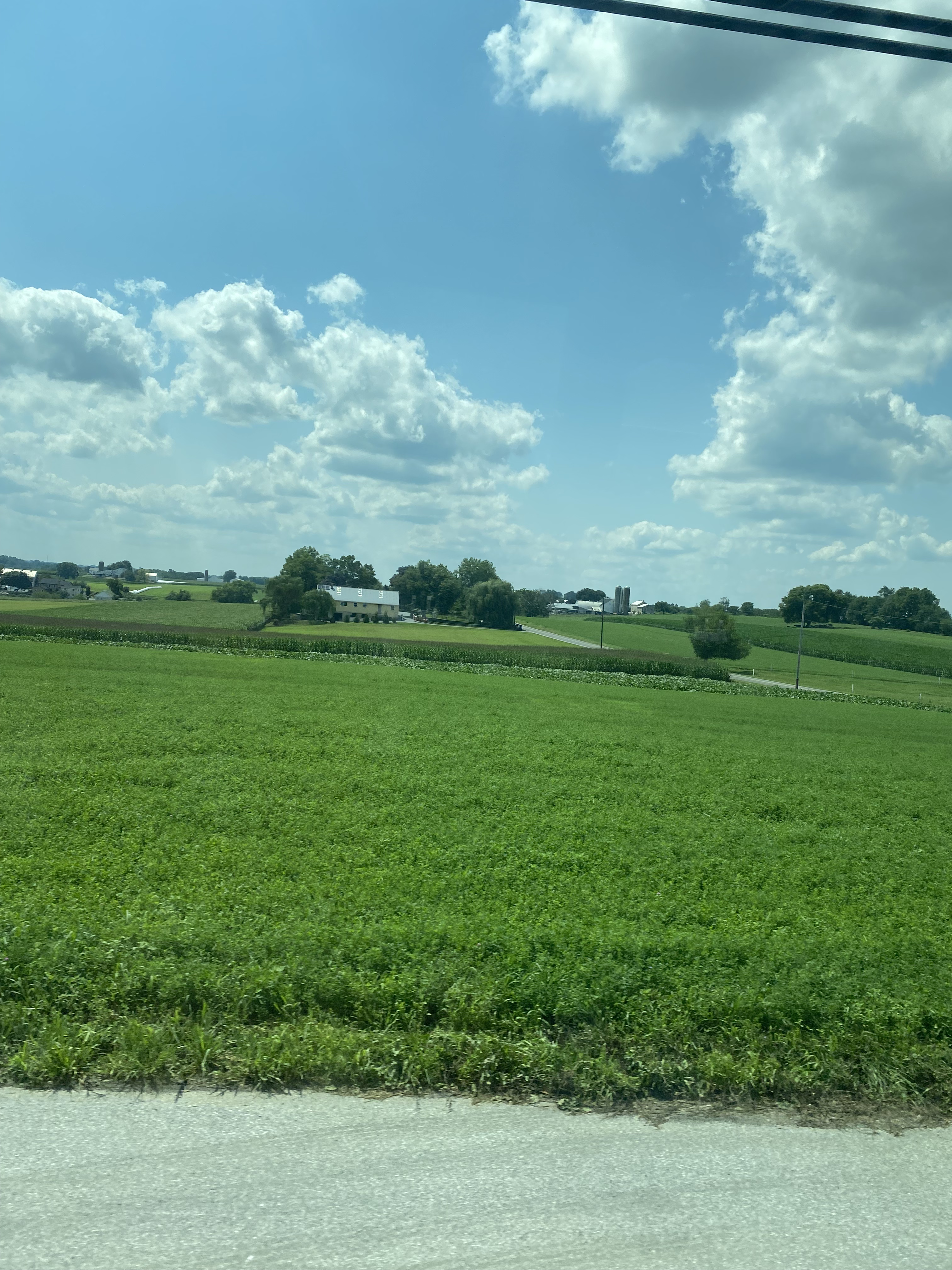
Bungoma is one of western Kenya's most important maize counties, but it tells a very different story from the large-scale plateaus of the Rift. Here maize is a smallholder crop — most families farm a few acres, often intercropped with beans, and the central question is not scale but intensification: getting far more from the land you already have. With better seed, the right fertiliser used well, early weeding and serious striga control, many Bungoma farms could double their yields. This guide shows how.
Bungoma's growing conditions
Bungoma sits in western Kenya at roughly 1,200–1,800m above sea level, rising towards the slopes of Mount Elgon in the north (Mount Elgon, Cheptais, Kopsiro) and flattening towards the lower areas near Malaba and Busia. Rainfall is generous and bimodal, typically 1,200–1,800mm split across long rains (from around February–March) and short rains (around August–September), which lets many farmers grow two crops a year.
Soils are generally fertile but, under continuous cropping with limited fertiliser, many have become acidic and nitrogen-depleted — the exact conditions that favour striga. Key towns and market centres include Bungoma town, Webuye, Kimilili, Chwele, Sirisia and Malaba.
County-specific challenges:
- Striga (witchweed) — the single most damaging maize problem in the county, tied to declining soil fertility.
- Small farm sizes — the profit lever is yield per acre, not more acres.
- Soil acidity and low nitrogen — capping yields and feeding striga.
- Post-harvest losses — wet harvests, poor drying and storage, aflatoxin risk.
- Weak marketing power — small lots sold individually to brokers fetch low prices.
Choosing the right variety
| Variety | Maturity | Best-suited zone | Notes |
|---|---|---|---|
| H614 | Late | Higher Mt Elgon slopes | Top yield where the season is long |
| H513 / H516 | Medium | Mid altitude | Reliable across much of Bungoma |
| DK 777 / PAN medium | Medium | Mid altitude | Widely grown, good all-rounders |
| IR / striga-tolerant hybrids | Medium | Striga-prone fields | Imazapyr-coated seed adds striga protection |
| DUMA / short-season hybrids | Short/medium | Lower, shorter-season areas | Useful for the short-rains crop |
In striga-infested fields, Imazapyr-coated (IR) or striga-tolerant hybrids are a valuable extra layer — but they work best combined with fertility building and rotation, not as a standalone fix. Always plant fresh certified seed.
Controlling striga (witchweed) — the Bungoma priority
Striga is a parasitic weed that attaches to maize roots and can slash yields, sometimes destroying a crop entirely on badly infested, poor soils. It thrives precisely where soils are low in nitrogen. Beating it means attacking the striga seedbank from several angles at once:
- Build soil fertility. Manure, compost and adequate nitrogen fertiliser directly suppress striga — well-fed soil is your first line of defence.
- Rotate and intercross with legumes. Beans, soya, groundnuts and especially desmodium (the "push-pull" system) reduce striga while adding nitrogen. Push-pull (maize + desmodium + border grass like Napier/Brachiaria) also cuts stem borer and fall armyworm.
- Use IR / striga-tolerant seed in badly infested fields.
- Hand-pull striga before it flowers and sets seed — one striga plant produces tens of thousands of seeds that survive years in the soil, so stopping seeding is critical.
- Apply enough top-dress nitrogen at the right time.
No single method clears striga; the farms that beat it stack these practices season after season to run down the seedbank.
Subsidised fertiliser: use it, and use it well
The government subsidised fertiliser programme is a major cost saver for Bungoma smallholders — but only if you register early and apply it correctly.
- Register through your ward/sub-county agriculture office and the e-subsidy/e-voucher system before the season.
- Collect your allocation from a designated depot (NCPB store or approved agro-dealer) — stock and allocations move quickly at season start.
- Apply at planting (DAP/NPK placed with the seed) and top-dress with CAN or urea at knee-high on moist soil.
- Don't skip the top-dress. Nitrogen at knee-high both drives yield and suppresses striga — it is the highest-return input on a Bungoma smallholding.
Season calendar (bimodal)
| Period | Activity |
|---|---|
| December–January | Soil work, manure, register for subsidised fertiliser, buy seed |
| February–March | Plant long-rains crop with first rains + planting fertiliser |
| March–April | First weeding, hand-pull striga, gap-fill |
| ~6 weeks | Top-dress with CAN/urea |
| May–July | Grain filling, scout pests |
| July–August | Long-rains harvest and drying |
| August–September | Plant short-rains crop where rains allow |
| November–December | Short-rains harvest, drying, storage, sales |
Spacing and agronomy essentials
- Spacing: 75cm between rows, 25–30cm within rows, one seed per hole — the old habit of two-to-three seeds per hole crowds plants and cuts yield.
- Intercropping with beans: common and beneficial in Bungoma; keep the maize stand full and give the beans their own space rather than sacrificing maize population.
- Weeds: keep the crop clean for the first 6 weeks; early weed and striga competition is the biggest silent yield loss.
- Pests: scout and control fall armyworm and stalk borer early; push-pull helps suppress both.
Indicative costs and returns (per acre, 2026)
Indicative ranges that vary with management, seed, fertiliser access and season.
| Item | Indicative KES per acre |
|---|---|
| Land prep (ox-plough / tractor) | 3,000–6,000 |
| Certified seed (10kg) | 3,500–5,500 |
| Fertiliser (subsidised where available) | 6,000–14,000 |
| Herbicide + pesticide | 2,000–5,000 |
| Weeding + planting labour | 4,000–8,000 |
| Harvest, shelling, drying, bags | 4,000–7,000 |
| Total variable cost | ~22,000–45,000 |
| Yield (well managed) | 18–30 bags (90kg) |
| Farm-gate price (indicative) | KES 3,500–5,000 / 90kg bag |
| Gross revenue | ~63,000–150,000 |
| Indicative gross margin | ~30,000–100,000 |
The prize for Bungoma smallholders is closing the yield gap: many farms sit at 8–15 bags but could reach 20–30 with certified seed, proper fertiliser timing and striga control — often for only a modest extra input cost.
Harvesting, storage and selling as a group
Dry grain to about 13.5% moisture before storage — western Kenya's humid harvest makes drying and aflatoxin prevention especially important. Shell clean, treat with an approved protectant, and store dry in well-ventilated or hermetic (PICS) bags.
The biggest marketing win for smallholders is bulking. Selling a few bags alone to a broker at the farm gate almost always fetches the lowest price. Instead:
- Bulk with neighbours or through a cooperative into larger, better-priced lots.
- Sell to millers, NCPB, and traders in Bungoma, Webuye, Kimilili, Chwele and Malaba.
- Reach direct buyers on Agrisoko with clean, well-dried grain and a clear grade.
- Where storage allows, hold part of the crop for the price rise that usually follows harvest.
Always check the live maize price and the wider market intelligence dashboard before agreeing a price so you negotiate from data.
Grow more, earn more with Agrisoko
Bungoma's opportunity is intensification — turning the same small farm into a much bigger harvest through better seed, smart fertiliser use and disciplined striga control, then selling as a group for real bargaining power. Use Agrisoko to track current maize prices, find buyers, and list your maize so your grain reaches serious buyers instead of the lowest farm-gate offer.
Buying fertilizer in bulk?
Get fertilizer supplier offers
Tell us your organisation and how much you need. Agrisoko matches suppliers across Kenya at today's market price.
No account needed. Your details stay private — we broker the intro.
Turn this guide into a market decision
Check live prices, browse active supply, or look at buyer demand before you move stock.