
Tomato Farming in Kajiado: Irrigation, Greenhouses and the Nairobi Market
How to grow tomatoes profitably in Kajiado — irrigated and greenhouse farming in Isinya and Kitengela, Tuta absoluta control, and the Nairobi market.
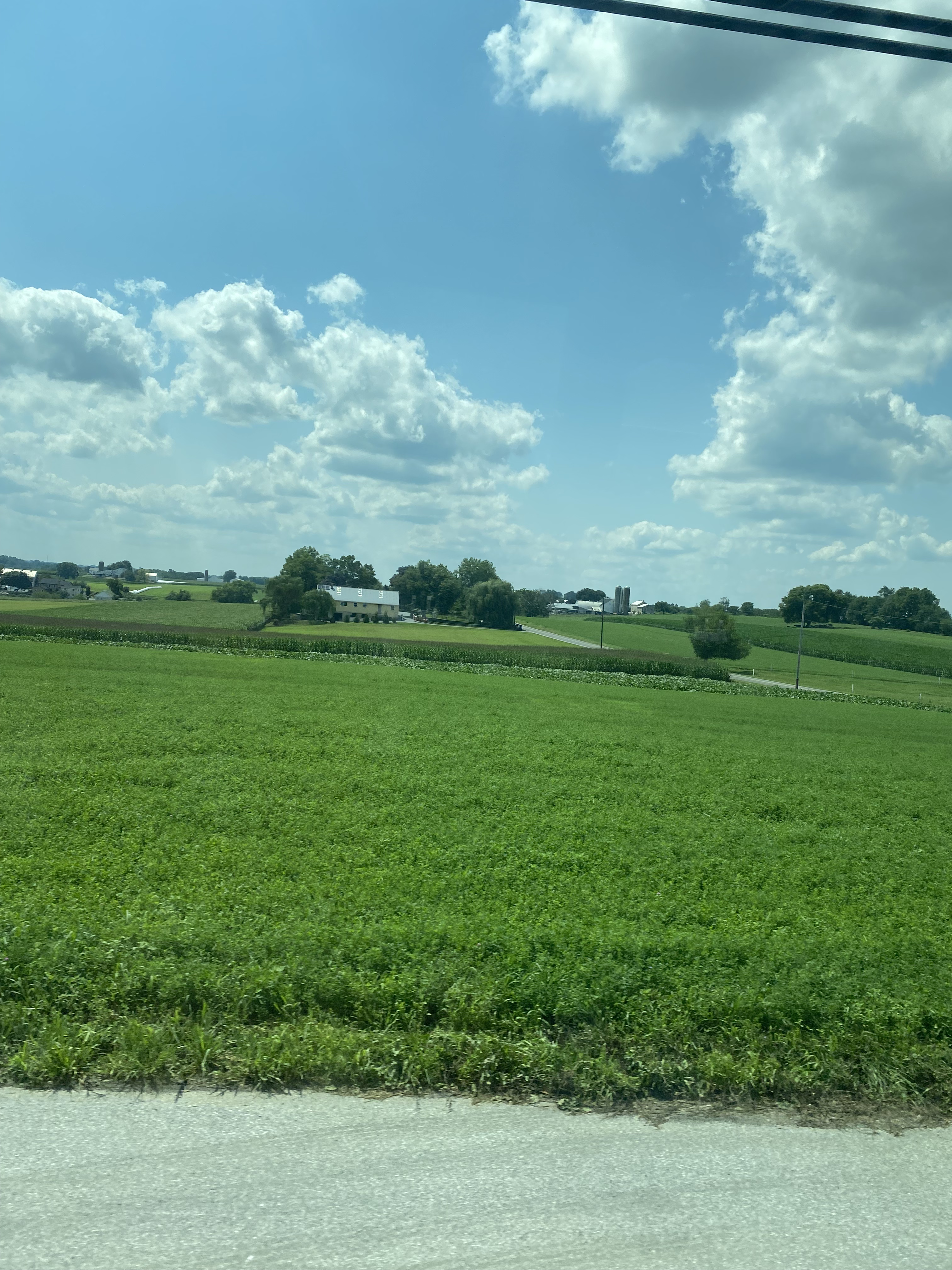
Tomato farming in Kajiado has grown fast as irrigated horticulture spreads across Isinya, Kitengela, and Kajiado town. The county sits in a warm, sunny, semi-arid zone just south of Nairobi — and that combination of dry climate and market proximity is exactly what makes it attractive. Dry air means less blight; being an hour from the capital means cheaper transport and fresher fruit. This guide covers how to grow tomatoes profitably in Kajiado, from water and varieties to Tuta absoluta control and selling into Nairobi.
Why Kajiado suits tomatoes
Kajiado lies mostly at 1,500–1,900m altitude on the Athi-Kapiti plains, with warm days, cool nights, high sunshine, and low humidity. Rainfall is low and unreliable — typically 300–800mm a year — so this is not a rain-fed tomato zone. It is an irrigation zone, and that is a feature, not a bug: growers control the water, so they control the timing.
Key advantages for Kajiado tomato farmers:
- Low disease pressure — dry air suppresses late blight, the disease that devastates highland tomatoes.
- Market proximity — Kitengela and Isinya are roughly an hour from Nairobi's wholesale and retail markets.
- Year-round production — with irrigation, you plant to hit lean-price windows instead of the glut.
- Land availability — larger plots are still accessible compared with crowded highland districts.
The main challenges are water cost, Tuta absoluta, and heat stress during the hottest months, all of which are manageable with the right setup.
Best tomato varieties for Kajiado
| Variety | Type | Best for | Notes |
|---|---|---|---|
| Shangi F1 | Determinate | Open field | Blight tolerant, good shelf life, familiar to buyers |
| Kilele F1 | Determinate | Open field | Tolerates heat, high yield — suits Kajiado's warmth |
| Anna F1 | Determinate | Open field | Early maturing, good for warmer lowlands |
| Rio Grande | Open-pollinated | Processing/field | Firm, good for paste and long transport |
| Nema 1401 F1 | Indeterminate | Greenhouse | Nematode tolerant, long production window |
| Prostar F1 | Indeterminate | Greenhouse | High yield, strong fruit quality for premium buyers |
For open-field irrigation, Shangi F1 and Kilele F1 are the reliable workhorses. In greenhouses, indeterminate hybrids like Nema 1401 F1 or Prostar F1 give a long, high-yield picking season.
Water and irrigation — the make-or-break factor
Because Kajiado is semi-arid, your irrigation plan decides whether the crop succeeds. Drip irrigation is standard: it delivers water straight to the roots, keeps foliage dry (cutting disease), and lets you fertigate. Most growers pump borehole or pan water into a raised tank, filter it, and run driplines along raised beds.
- Budget for the tank, pump, filter, and driplines up front — this is the biggest fixed cost.
- Keep drip runs under 40–50m to hold even pressure.
- Reduce watering as fruit ripens to concentrate flavour and reduce cracking.
- Consistent moisture prevents blossom end rot and fruit splitting — irregular watering is a common, avoidable loss.
Greenhouse versus open field
Both models thrive in Kajiado. Open-field drip is cheaper to enter and suits determinate varieties on a seasonal cycle. A greenhouse — increasingly common around Isinya and Kitengela — costs more but delivers higher yields per square metre, cleaner export-grade fruit, far better control of Tuta absoluta and blight, and the ability to produce through the year. A common path is to start open-field, learn the market, then reinvest profit into a greenhouse for premium buyers.
Fertiliser and crop management
Apply well-rotted manure and a basal DAP or planting fertiliser at transplanting. Top-dress with CAN two weeks after transplanting, then feed potassium and calcium through the drip as fruit sets — calcium prevents blossom end rot and potassium drives fruit size and colour. Stake within 2–3 weeks and, on indeterminate greenhouse types, prune to one or two stems and remove suckers regularly for airflow and larger fruit.
Pests and diseases in Kajiado
- Tuta absoluta (tomato leafminer) — the dominant pest. Monitor with pheromone traps, keep nurseries screened, rotate insecticide modes of action, and spray Coragen or Steward early. Never spray the same class repeatedly.
- Whiteflies — spread viruses and thrive in the heat; control with yellow sticky traps and appropriate insecticides.
- Spider mites — worse in dry, dusty conditions; look for fine webbing and yellow stippling. Spray Abamectin.
- Bacterial wilt — sudden whole-plant wilting with no cure. Rogue and burn plants, and rotate away from tomatoes, potatoes, and peppers for three years.
- Late blight — less severe than in the highlands thanks to dry air, but still spray preventatively during any wet spell.
Harvest, post-harvest and grading
Tomatoes mature roughly 60–80 days after transplanting. Pick at mature-green for distant transport or light-red for nearby Nairobi markets, harvesting every 2–3 days at peak. Handle gently — bruising cuts shelf life and price. Grade by size and ripeness into clean crates; graded, uniform fruit reaches supermarkets, hotels, and premium traders who pay well above the mixed-load wholesale price. Keep harvested fruit shaded and cool before transport.
Selling tomatoes from Kajiado
Kajiado's location is its trump card. Options include:
- Nairobi wholesale markets (Marikiti, Wakulima) — high volume, cheap transport from Kitengela and Isinya.
- Supermarkets, hotels, and restaurants — steady demand for graded, consistent supply; excellent for greenhouse growers.
- Direct to estates and residential markets in Kitengela and along the Nairobi corridor.
- Agrisoko marketplace — list graded tomatoes to reach bulk buyers and traders across the region.
Before you sell, check current price signals so you are not negotiating blind. Compare quotes on the Agrisoko market intelligence dashboard and the tomato price page to see where demand is strongest. Tomato prices swing between roughly KES 30 and KES 120 per kg, so timing your harvest — using irrigation to target lean months — often matters more than raw yield.
Key takeaways
- Kajiado's dry climate and Nairobi proximity make it a strong, low-disease tomato zone — if you have reliable water.
- Use drip irrigation and choose heat-tolerant varieties like Kilele F1 and Shangi F1, or greenhouse hybrids for premium fruit.
- Control Tuta absoluta early with traps and rotated chemistry.
- Grade your fruit and time harvests to lean windows to beat the price swings.
Ready to move your crop? List your tomatoes on Agrisoko to reach bulk buyers, and check the tomato price dashboard before you accept an offer. See also: Growing tomatoes in Kenya and Greenhouse farming in Kenya.
Buying tomatoes in bulk?
Get tomatoes supplier offers
Tell us your organisation and how much you need. Agrisoko matches suppliers across Kenya at today's market price.
No account needed. Your details stay private — we broker the intro.
Turn this guide into a market decision
Check live prices, browse active supply, or look at buyer demand before you move stock.