
Sukuma Wiki Farming in Kenya: Steady Daily Income from a Small Plot
How to grow sukuma wiki (kale and collards) profitably in Kenya — varieties, nursery to transplant, fertilizer and manure, pest control, continuous harvesting, and how to sell to vendors, hotels, and buyers.
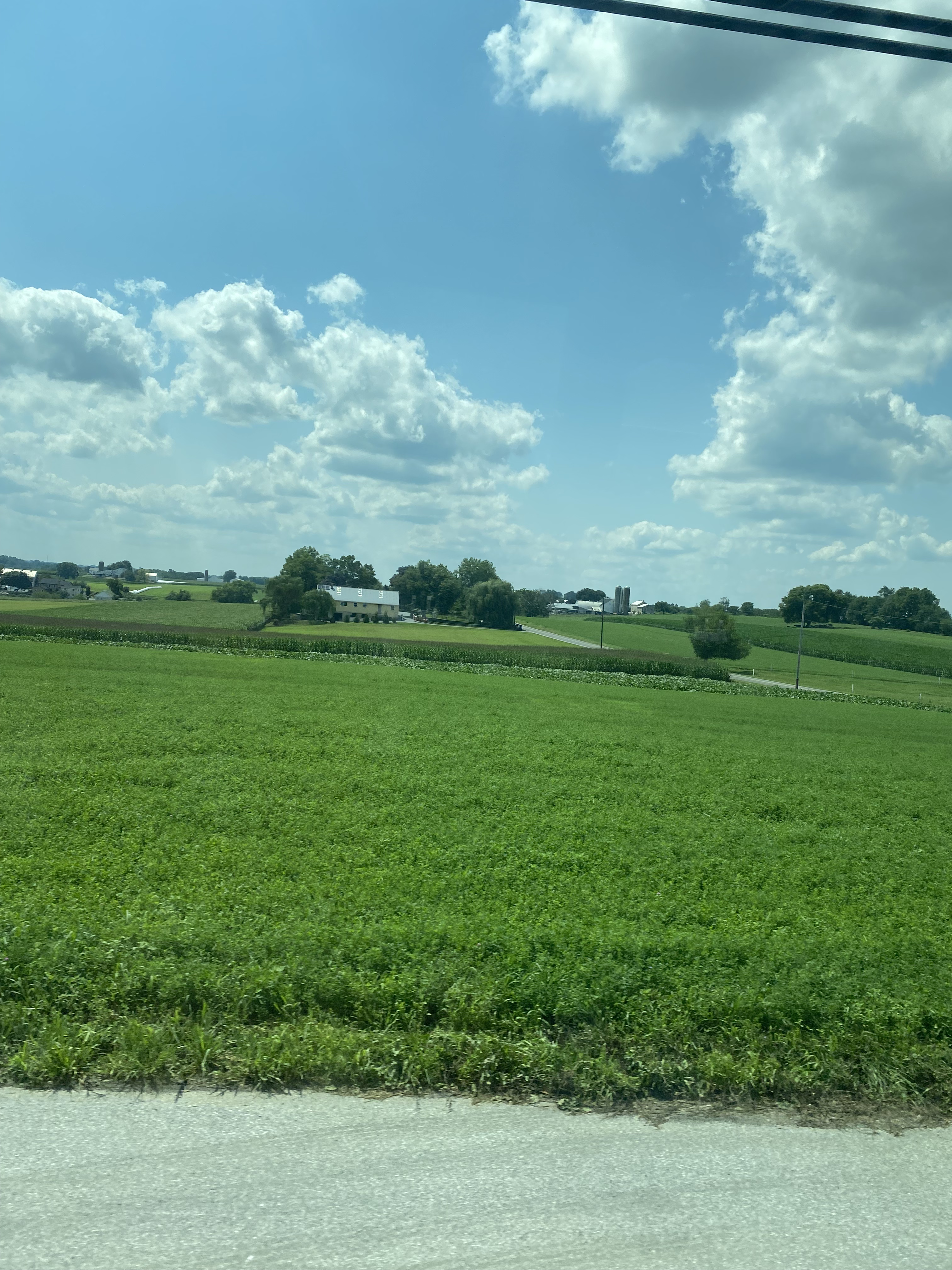
Sukuma wiki (kale and collard greens) is the vegetable in almost every Kenyan meal, which is exactly why it is such a dependable small-plot enterprise. It is cheap to start, quick to harvest, and — because you pick it continuously — it pays you regularly rather than in one lump. For a farmer starting out or working a small piece of land, few crops are more forgiving.
Why sukuma wiki works for smallholders
- Universal daily demand — every market, kibanda, and household buys it
- Continuous harvest — pick mature leaves every few days for months
- Low barrier to entry — small land, modest inputs
- Fast — first harvest in 6–8 weeks
Varieties
- Collards (Sukuma wiki proper) — Southern Georgia and Thousand-headed types are widely grown; broad, tender leaves.
- Marrow-stem kale — vigorous, productive.
- F1 hybrids — higher yield and uniformity, better disease tolerance, at higher seed cost.
For most local-market growers, the familiar collard types sell easily. Hybrids are worth it where you're supplying more demanding buyers who want uniform, clean leaves.
From nursery to field
- Nursery: sow in a raised, well-drained seedbed; keep moist and lightly shaded. Seedlings are ready to transplant at about 3–4 weeks.
- Prepare land: work in plenty of well-rotted manure or compost — sukuma wiki loves organic matter.
- Transplant at about 45–60cm between plants so leaves have room and air moves freely.
- Fertilizer: DAP or a planting fertilizer at transplanting; top-dress with CAN or urea after establishment and again after heavy picking to drive new growth.
- Water consistently — leafy crops go tough and bitter under stress. Mulch to hold moisture.
Pests and diseases
- Aphids, diamondback moth, cutworms — the main pests; scout early and often.
- Black rot and downy mildew — manage with rotation, field hygiene, and clean seed.
Because the leaves are eaten fresh and picked continuously, respect pre-harvest intervals whenever you spray, and rely on cultural control (rotation, hygiene, early scouting) as much as possible.
Harvesting for continuous income
Start picking the lower mature leaves at 6–8 weeks, leaving the growing tip to keep producing. Harvest every few days. With good feeding and water, a plant produces for several months before it needs replacing. Stagger your plantings so you always have leaves at picking stage and a steady supply to sell.
Selling for the best return
- Local markets and vendors (mama mbogas) — the daily backbone of demand.
- Hotels, schools, and institutions — steady bulk orders if you can supply consistently and clean.
- Direct to households / delivery — higher price per bundle in urban and peri-urban areas.
- List on Agrisoko to reach vendors and bulk buyers searching for a reliable supplier — state quantity, quality, county, and how often you can supply.
The money in sukuma wiki is in consistency and volume: a farmer who supplies clean leaves reliably every few days builds regular buyers who pay better than a one-off broker.
Key takeaways
- Sukuma wiki gives steady income, not a one-time harvest
- Feed it heavily with manure and nitrogen
- Stagger plantings for continuous supply
- Respect pre-harvest intervals — the leaves are eaten fresh
- Build regular buyers and list your supply on Agrisoko
See also: Growing tomatoes in Kenya | Onion farming in Kenya | Browse produce buyers
Turn this guide into a market decision
Check live prices, browse active supply, or look at buyer demand before you move stock.