
Potato Farming in Meru: Timau, Mt Kenya Slopes, Seed and Markets
A practical guide to potato farming in Meru — the Timau and Mt Kenya slopes, certified seed, top varieties, blight control, storage, and best markets.
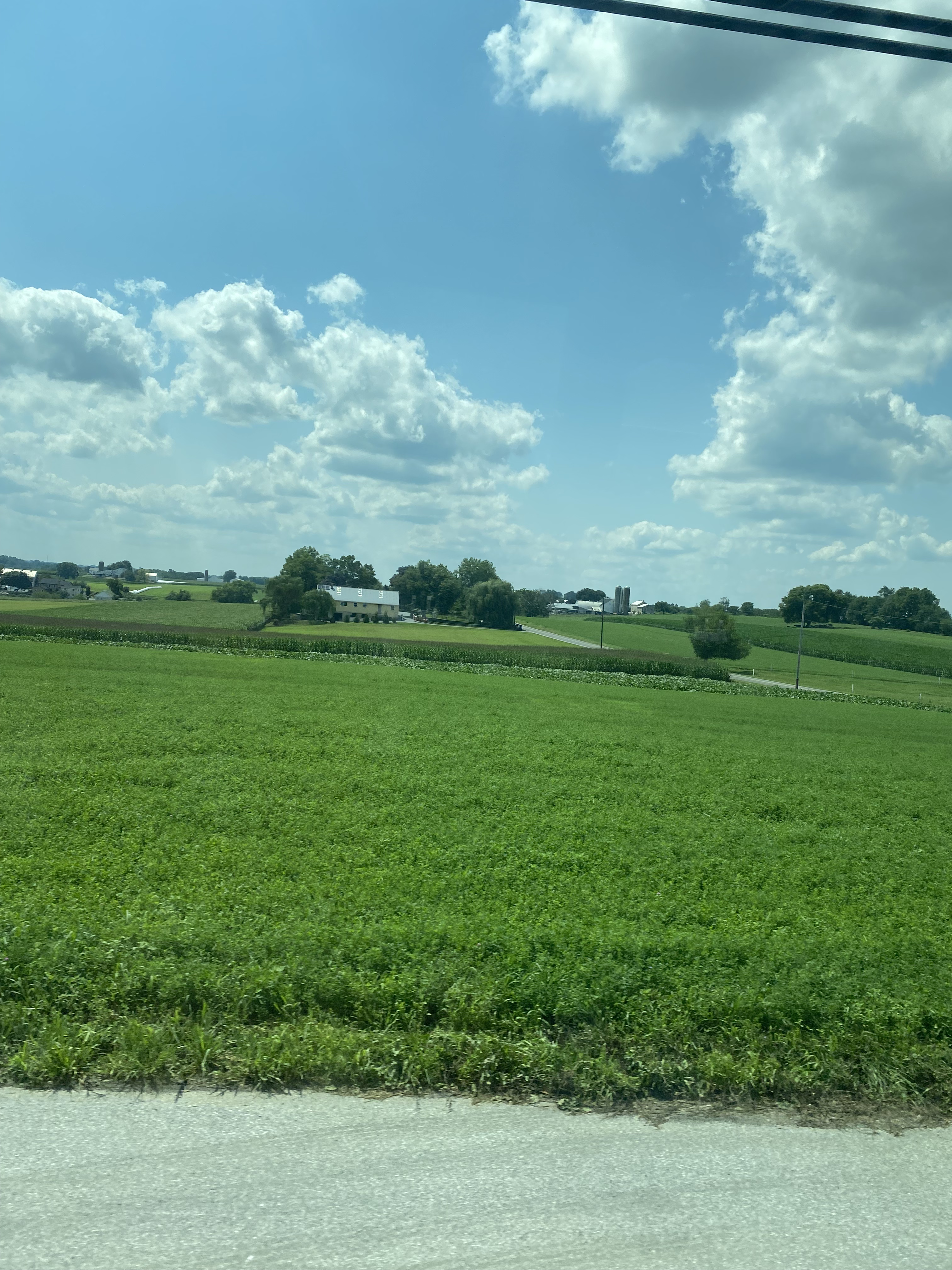
Potato farming in Meru is centred on the cool, fertile highlands of Timau and the northern and eastern slopes of Mt Kenya, one of Kenya's most productive horticultural zones. With volcanic soils, reliable rainfall, cool temperatures, and good roads to Meru, Nanyuki, and Nairobi, the area is well suited to commercial potato production. This guide covers the Meru growing zones, certified seed, varieties, blight control, storage, and where to sell for the best price.
Why Meru suits potatoes
Potatoes are a cool-climate crop, and the upper reaches of Meru deliver exactly that. The Timau belt and the Mt Kenya slopes sit at roughly 1,800–2,600m, giving:
- Cool temperatures that favour tuber bulking rather than just leaf growth.
- Deep, fertile volcanic (andosol) soils with good structure.
- Reliable bimodal rainfall — long rains from March and short rains from October.
- Established market links to Meru, Nanyuki, Nairobi, and processors.
Timau in particular is a long-standing commercial farming hub, home to large-scale horticulture and seed multiplication, which means Meru growers can access certified seed, inputs, and buyers more easily than in many other counties.
Start with certified seed
The single biggest decision in Meru potato farming is seed. Recycled ware potatoes carry bacterial wilt, viruses, and blight, and yield poorly. Certified seed — disease-free and true to variety — costs more per bag but pays back many times over in yield and farm health.
Sources in the Meru/Mt Kenya region include the Agricultural Development Corporation (ADC), licensed seed multipliers, and KEPHIS-registered dealers. Buy early, as demand peaks at planting time.
Best potato varieties for Meru
| Variety | Maturity | Best for | Notes |
|---|---|---|---|
| Shangi | ~3 months | Fresh market | Early, fast-sprouting, top seller, but stores poorly |
| Unica | ~3.5 months | Warmer/drier plots | Heat tolerant, good yield, dual purpose |
| Markies | ~4 months | Crisping/processing | Long tubers, favoured by processors |
| Sherekea | ~4 months | Processing/fresh | High yield, good dry matter |
| Dutch Robijn | ~4 months | Fresh market | Red skin, popular, good size |
| Kenya Karibu | ~3.5 months | Fresh market | Blight-tolerant improved variety |
Shangi dominates Meru's fresh-market plantings because it matures fast and sells easily. If you have a processor contract (for crisps or chips), grow the variety the buyer specifies — usually Markies or Sherekea.
Land preparation and planting
Plough deeply and form ridges to shed water — the volcanic soils are fertile but potatoes rot in waterlogging. Incorporate well-rotted manure and apply DAP or a compound planting fertiliser guided by a soil test. Rotate away from potatoes, tomatoes, and peppers for at least three seasons to break blight and wilt cycles.
Plant sprouted seed tubers about 10cm deep, 30cm apart, in rows 75cm apart (roughly 40,000 plants per hectare), timed to the onset of reliable rain. Earth up around the stems 3–4 weeks after emergence and again later to cover tubers, prevent greening, and support the crop. Top-dress with CAN during vegetative growth.
Controlling late blight and bacterial wilt
Meru's cool, misty highland climate is ideal for potatoes — and for late blight (Phytophthora infestans), the region's number-one disease. It can destroy a crop in days.
- Spray protectant fungicides (Mancozeb) every 7–10 days from canopy closure.
- Switch to systemics (Ridomil Gold) during wet, misty spells.
- Never wait for symptoms — blight control is preventive.
Bacterial wilt has no cure. Defend against it with certified seed, crop rotation, roguing and removing infected plants, and cleaning tools and boots between fields. Aphids and potato tuber moth are secondary pests to scout for.
Harvest, curing and storage
Two weeks before harvest, dehaulm (cut or spray off the tops) to set the skins so tubers do not scuff during digging. Harvest in dry weather once skins do not rub off easily. Cure the crop in a cool, shaded, airy place for one to two weeks, then sort out green, cut, and diseased tubers.
Shangi stores poorly and is usually sold soon after harvest. For longer storage, keep sorted tubers in a cool, dark, well-ventilated store on slatted shelves or in ventilated crates — never in a sealed heap, which sweats and rots. Good storage lets you sell after the immediate post-harvest glut, when prices recover.
Yields and economics
A well-managed Meru acre using certified seed, proper fertiliser, and disciplined blight control yields roughly 80–160 bags (8–16 tonnes). Input costs — certified seed, fertiliser, fungicides, and labour — commonly run KES 80,000–180,000 per acre, with certified seed the largest single item. Because farm-gate prices swing widely (often KES 1,500–4,500 per 50kg bag through the season), storage and timing strongly influence profit.
Where to sell potatoes from Meru
- Local and regional markets in Meru, Nanyuki, and Isiolo.
- Nairobi wholesale markets — high volume, reachable via the good Meru–Nairobi road.
- Processors (crisp and chip makers) — contract sales at agreed prices for the right variety.
- Institutions, hotels, and schools — steady demand for graded ware potatoes.
- Agrisoko marketplace — list your potatoes to reach bulk buyers and traders across the Mt Kenya region.
Before selling, compare quotes on the Agrisoko market intelligence dashboard and the potato price page so you know the current spread. Grading and clear labelling of variety and size help you reach buyers who pay above the bulk wholesale price.
Key takeaways
- Meru's Timau and Mt Kenya slopes offer cool climate, fertile soils, and strong market links — an excellent potato zone.
- Certified seed is the foundation; recycled ware potatoes cost you yield and spread disease.
- Run a preventive blight programme and defend against bacterial wilt with rotation and hygiene.
- Cure, store, and grade so you can time sales past the harvest glut.
Ready to sell? List your potatoes on Agrisoko to reach bulk buyers, and check the potato price dashboard before you accept an offer. See also: Potato farming in Kenya and Potato farming in Nyandarua.
Buying potatoes in bulk?
Get potatoes supplier offers
Tell us your organisation and how much you need. Agrisoko matches suppliers across Kenya at today's market price.
No account needed. Your details stay private — we broker the intro.
Turn this guide into a market decision
Check live prices, browse active supply, or look at buyer demand before you move stock.