
Organic Farming in Kenya: Certification, Inputs & Premium Markets
A practical guide to organic farming in Kenya — how to transition, get certified, source approved inputs, and reach premium local and export markets.
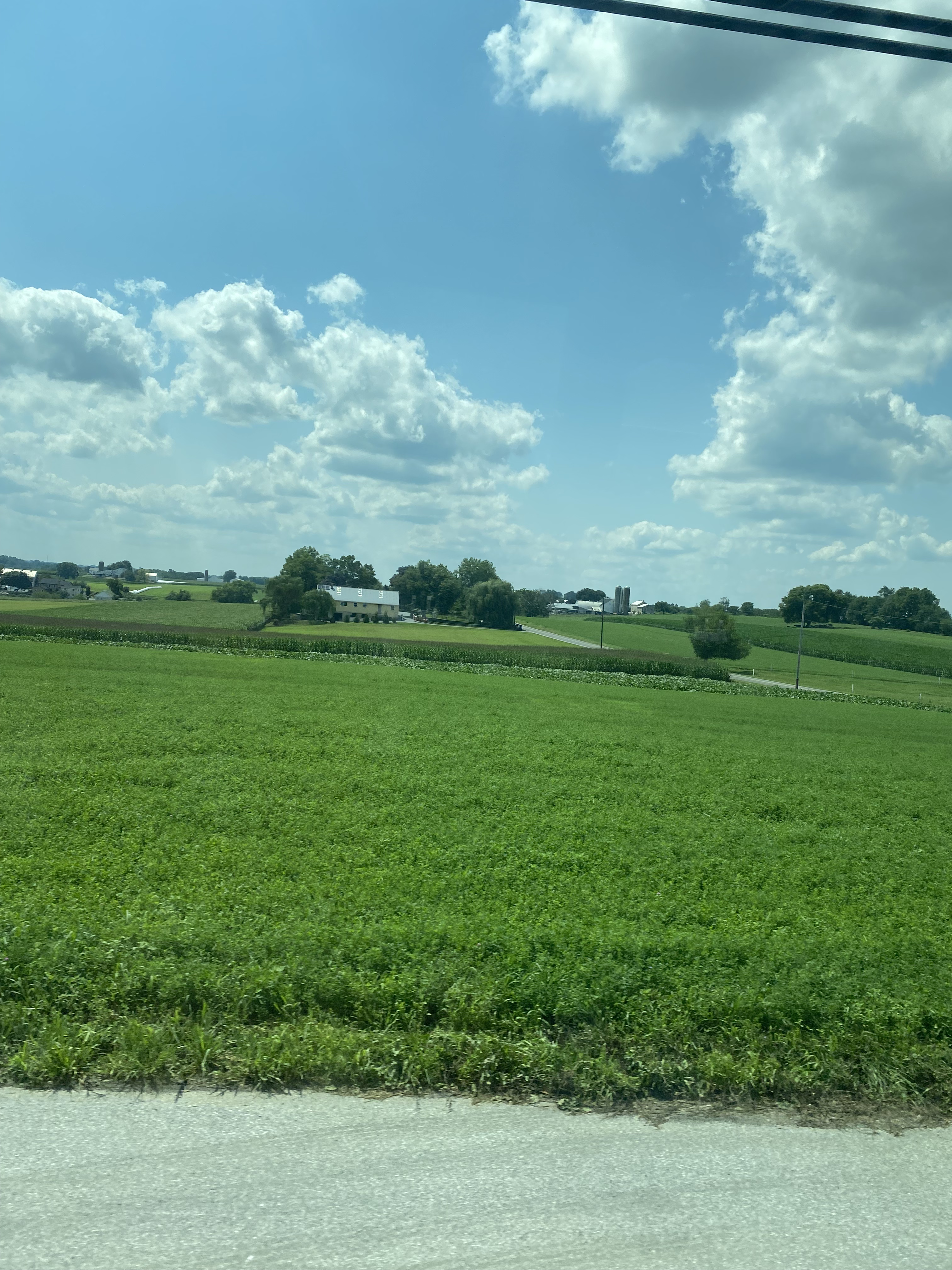
Organic farming in Kenya is growing fast as urban consumers, exporters, and health-conscious buyers pay more for food grown without synthetic chemicals. But "going organic" is not simply about dropping fertiliser and pesticide — it is a system that rebuilds soil health, manages pests biologically, and, crucially, connects you to markets that reward the effort. This guide covers how to transition, get certified, source approved inputs, and sell into the premium channels where organic farming actually pays.
What organic farming really means
Organic farming is a production system that avoids synthetic fertilisers, chemical pesticides, and genetically modified seed, and instead builds fertility and controls pests through natural processes. The core principles are:
- Feed the soil, not the plant — use compost, manure, and green manures to build organic matter.
- Prevent rather than spray — rotation, diversity, and healthy soil reduce pest pressure.
- Approved inputs only — biofertilisers and bio-pesticides such as neem, pyrethrum, and Bt.
- Traceability — records that prove how every crop was grown.
Organic is not the same as simply "not spraying." A neglected farm is not an organic farm. Certified organic production is often more management-intensive than conventional farming, not less.
Why go organic in Kenya
- Price premium — certified organic produce commonly earns 20–50% above conventional prices in the right channels.
- Lower input bills over time — as soil improves, you spend less on purchased fertiliser.
- Export access — European and Middle East buyers actively seek certified organic Kenyan produce.
- Soil and resilience — organic soils hold water better, which matters as rainfall becomes less reliable.
- Health and safety — no chemical residues for your family or your workers.
The honest caution: on the open wholesale market, an organic tomato sells for the same price as any other tomato. The premium only exists where a buyer specifically values and can verify organic status. Sort your market before you sort your certificate.
The transition period: what to expect
You cannot flip a farm to organic overnight. Standards require a conversion period — typically 2 years for annual crops and 3 years for perennials — during which you farm fully organically but cannot yet sell produce as certified organic.
| Phase | Timeline | What happens |
|---|---|---|
| Baseline & planning | Months 0–3 | Soil test, map fields, choose crops, find a certifier |
| Early conversion | Year 1 | Build compost systems, plant cover crops, stop all synthetic inputs |
| Late conversion | Year 2 | Soil recovering, pest balance improving, records maturing |
| Perennial extension | Year 3 | Fruit/coffee/tea complete their longer conversion |
| Certified organic | After conversion | Full certification and premium labelling |
Plan your cash flow for this window — you carry organic costs while earning conventional prices. Many farmers convert one block at a time so income keeps flowing.
Getting certified in Kenya
There are two main routes, and they suit different farmers.
Third-party certification
An accredited certification body audits your farm against a recognised standard (for example the East African Organic Products Standard, or EU/USDA standards for export). This is the route for exporters and formal retail. It involves annual inspection fees and detailed record-keeping, but it unlocks the highest-value markets.
Participatory Guarantee System (PGS)
A PGS is a farmer-group model where members inspect and vouch for each other under a shared standard, with facilitation from a recognised network. It is far cheaper than third-party audit and is well suited to smallholders selling into local and domestic organic markets. Many Kenyan farmers begin with PGS and graduate to third-party certification once export volumes justify the cost.
Whichever route you choose, keep an input and activity logbook from day one — what you applied, when, where, and from which supplier. Certifiers live and die by records.
Approved inputs and where to build them
The good news is that most organic inputs can be produced on the farm, which cuts costs over time.
- Compost — the backbone. Layer crop residues, manure, and green matter; turn regularly; mature over 8–12 weeks.
- Well-rotted farmyard manure — apply composted, never fresh (fresh manure burns roots and can carry pathogens).
- Green manures / cover crops — mucuna, lablab, and legumes fix nitrogen and smother weeds.
- Biofertilisers — rhizobium inoculants and microbial products approved under your standard.
- Bio-pesticides — neem extracts, pyrethrum-based sprays, Bt for caterpillars, and botanical brews.
- Beneficial insects and trap crops — for managing aphids, whitefly, and diamondback moth.
Before buying any commercial product, confirm it is listed as acceptable under your specific standard. A "natural" label on a bottle does not automatically make it organic-compliant.
Costs and realistic returns
Costs vary widely by crop and scale. These are indicative 2025/2026 ranges for a mixed vegetable acre in transition.
| Item | Indicative cost (KES) |
|---|---|
| Soil test | 2,000–3,500 |
| Compost & manure (per acre/season) | 15,000–30,000 |
| Certified organic seed / seedlings | 8,000–20,000 |
| Bio-pesticides & biofertilisers | 8,000–18,000 |
| Labour (higher than conventional) | 20,000–45,000 |
| PGS membership (annual) | 3,000–10,000 |
| Third-party certification (annual) | 40,000–120,000+ |
Returns depend entirely on your channel. Sold into a certified retail or export chain, high-value crops can more than justify these costs; sold into the open market, they usually cannot. Build the buyer relationship first.
Reaching premium markets
This is where organic farming succeeds or fails in Kenya.
- Direct to consumer — box schemes, farmers' markets, and WhatsApp order groups in Nairobi, Mombasa, and other towns pay well for trusted chemical-free produce.
- Health food stores and specialty retail — need proof of certification or PGS membership.
- Hotels, restaurants, and institutions — chefs increasingly seek reliable organic suppliers.
- Export aggregators — herbs, avocado, macadamia, and French beans move through exporters who require third-party certification.
- Cooperatives and producer groups — pooling volume makes certification and buyer contracts affordable.
Track what buyers are paying before you commit. Check current wholesale and farm-gate benchmarks on Agrisoko market intelligence so you can quantify the premium your organic channel offers over the open market — that gap is your business case.
Common mistakes to avoid
- Certifying before securing a buyer — the certificate is a cost until a premium buyer makes it an asset.
- Neglecting soil in year one — organic yields depend on the soil you build early.
- Poor records — the single most common reason farms fail inspection.
- Assuming "no spray" is enough — pests still need active, approved management.
- Underpricing — if you earn conventional prices, you have carried organic costs for nothing.
Get started with Agrisoko
Organic farming rewards patience, good soil, and a clear market plan. Begin with one block, build your compost and records, choose PGS or third-party certification to match your target buyers, and price against real benchmarks.
Explore more practical guides on Agrisoko Learn, compare prices on market intelligence, and when your certified crop is ready, list it for sale on Agrisoko to reach buyers who value how you grow.
Related: Soil testing in Kenya | Climate-smart agriculture in Kenya
Turn this guide into a market decision
Check live prices, browse active supply, or look at buyer demand before you move stock.