
Onion Farming in Kajiado: Irrigation, Red Creole, Storage and Prices
How to grow bulb onions in Kajiado — irrigated Isinya and Oloitokitok, Red Creole and Bombay Red, thrips control, curing, storage, and better prices.
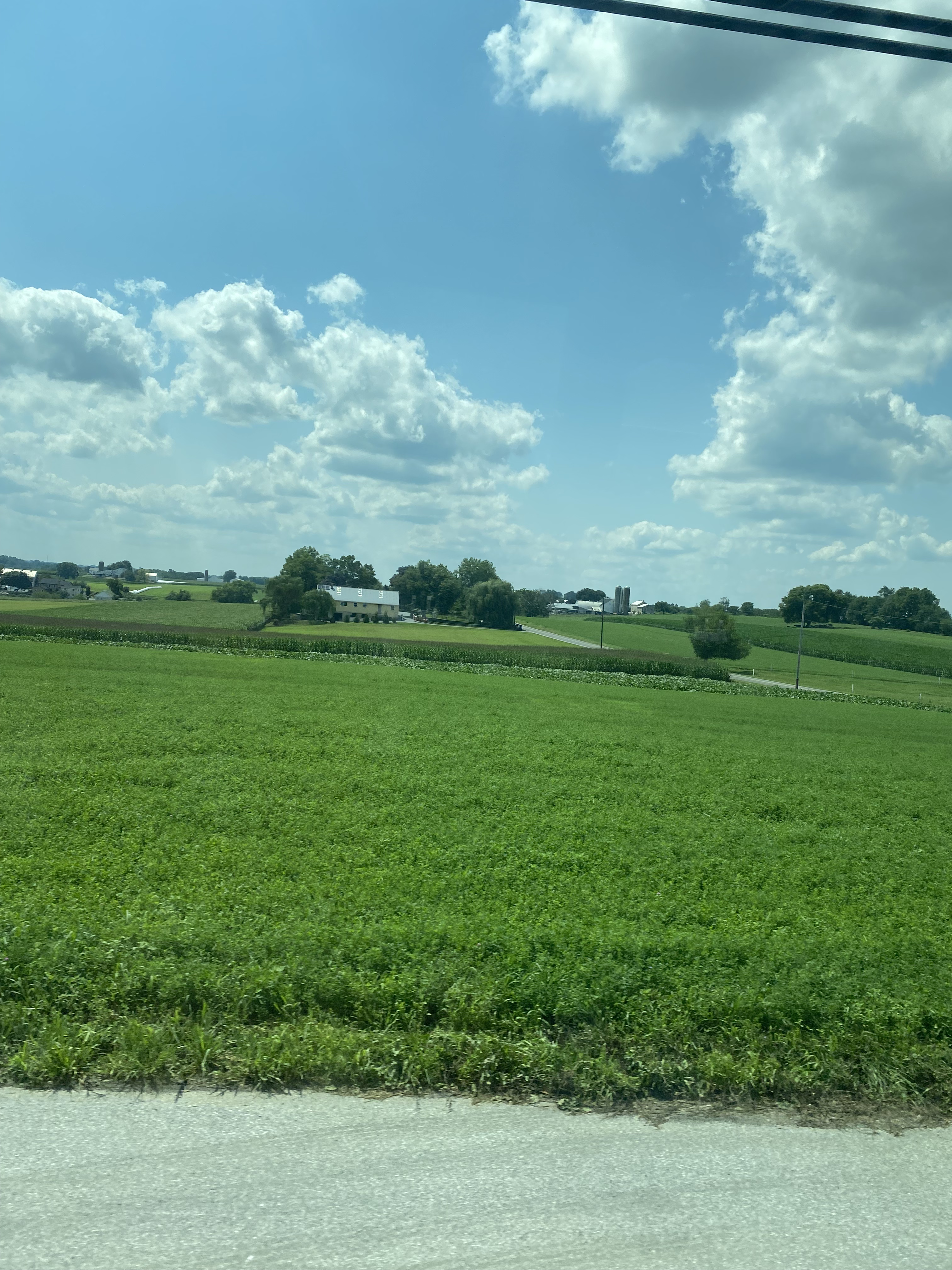
Onion farming in Kajiado has expanded steadily as irrigated horticulture opens up the county's warm, sunny plains and the fertile foothills around Oloitokitok. Bulb onions love exactly the conditions Kajiado offers — warmth, high sunshine, and low humidity — provided you can supply water. With Nairobi's huge onion market close by and demand that never really stops, Kajiado growers are well placed. This guide covers where onions grow in Kajiado, variety choice, thrips control, curing, storage, and how to sell above the import-driven price crashes.
Why Kajiado suits onions
Onions need 4–6 months of warm, dry, sunny weather to bulb well, and Kajiado delivers. The strongest production areas are:
- Oloitokitok, Kimana, and Loitokitok — irrigated foothills of Mt Kilimanjaro with good water and rich soils; a major onion basket.
- Isinya and Kitengela — irrigated horticulture close to Nairobi.
- Namanga and the wider plains — where water schemes allow.
The county sits mostly at 1,500–1,900m with low, unreliable rainfall (300–800mm), so irrigation is essential. That is an advantage for onions: heavy rain during bulbing causes rot and disease, so being able to control water — and finish the crop in dry weather for curing — is precisely what serious growers want.
Choosing a variety
| Variety | Type | Strength |
|---|---|---|
| Red Creole | Open-pollinated | Stores well, familiar to buyers, pungent, warm-climate suited |
| Bombay Red | Open-pollinated | Early maturing, good in warm areas like Kajiado |
| Jambar F1 | Hybrid | Large, uniform bulbs, high yield under irrigation |
| Red Pinoy F1 | Hybrid | Strong colour and size, good market appeal |
| Neptune F1 | Hybrid | High yield, decent storage for a hybrid |
Red Creole and Bombay Red are the open-pollinated favourites for Kajiado's warm climate, with Red Creole prized for storage. If you have reliable irrigation and want maximum size and yield for the fresh market, an F1 hybrid repays the higher seed cost.
From nursery to field
Onions are raised in a nursery first, then transplanted:
- Nursery (6–8 weeks): Sow in raised, well-drained seedbeds. Keep moist and lightly shaded early, then harden off. Screen the nursery to keep thrips off young plants.
- Transplant pencil-thick seedlings 8–10cm apart in rows 20–30cm apart. Closer spacing means more, smaller bulbs; wider spacing means fewer, larger bulbs.
- Fertiliser: Apply DAP or a planting fertiliser at transplanting, then top-dress with CAN in two splits during leaf growth. Stop nitrogen once bulbing starts.
- Water consistently — onions have shallow roots — then reduce irrigation near maturity to help curing.
Irrigation in a semi-arid county
Drip irrigation from a raised, filtered tank is the standard for commercial Kajiado onion farms. It delivers steady moisture to shallow roots, keeps foliage drier (reducing disease), and lets you fertigate. Keep the soil evenly moist through leaf growth and bulbing, then taper off as the tops begin to fall so the bulbs cure well in the field.
Pests and diseases
- Thrips — the number-one pest, thriving in Kajiado's heat. Silvery leaf streaks and stunted bulbs are the signs. Scout weekly, control early, and rotate insecticide classes to avoid resistance.
- Downy mildew and purple blotch — fungal diseases that flare in humid or wet spells; use preventive fungicides and avoid late-day overhead watering.
- Onion fly and cutworms — manage with field hygiene and appropriate seedling-stage control.
Harvesting, curing and storage
Harvest when about 50–70% of the tops have fallen over and necks soften. Lift the bulbs and cure them — dry with tops attached in a shaded, airy place for 1–3 weeks until skins are papery and necks are tight. Curing is not optional if you plan to store; uncured onions rot within weeks.
Store cured onions on raised slatted shelves in a dry, ventilated room. Well-cured Red Creole holds 2–4 months, which is exactly what lets a Kajiado farmer sell in the lean window instead of dumping into the glut.
Yields, economics and the price problem
A well-managed Kajiado acre returns roughly 10–20 tonnes, with hybrids under drip at the top end. Input costs — seed, fertiliser, pest control, irrigation, and labour — commonly run KES 60,000–160,000 per acre, with irrigation and hybrid seed pushing the top.
Kenyan onion prices swing between roughly KES 30 and KES 120 per kg, largely because supply is seasonal and Kenya imports heavily from Tanzania (mainly the Mang'ola area). When imports flood in, local prices crash. So your sale timing determines profitability more than your yield — two growers with identical harvests earn very differently depending on whether they sold into the glut or held cured stock.
Planting calendar and timing the market
Because Kajiado onions are irrigated, you are not tied to the rains — and that flexibility is your best weapon against the price crashes. The regional glut typically arrives when everyone harvests together and when Tanzanian imports peak. By staggering nursery sowings and planting so your crop matures and cures in the dry season but sells into the lean window, you can catch prices near the top of the range rather than the bottom.
Keep simple records of when local prices dip and recover each year, and plan your nursery dates backwards from the target selling month, remembering the full cycle runs about 5–6 months from nursery to a cured, sellable crop. Growers who plan the calendar this way consistently out-earn those who plant whenever seed is at hand and sell whenever the crop is ready.
Selling above the import price
- Cure and store so you can sell in the lean months, not just at harvest.
- Grade and sort — clean, uniform, well-dried bulbs reach retail-style buyers who pay more than bulk wholesale desks.
- Supply Nairobi directly — Kajiado's proximity to Marikiti and supermarkets keeps transport cheap and margins higher.
- State size and dryness clearly when you list on the Agrisoko marketplace — vague listings compete on price alone.
- Check the board first — compare your local quote on the market intelligence dashboard and the onion price page before you accept an offer.
Key takeaways
- Kajiado's warm, sunny, low-humidity climate suits onions — as long as you irrigate.
- Choose Red Creole or Bombay Red for storage and warm-climate fit, or an F1 hybrid for size and yield.
- Control thrips early and often, and finish the crop in dry weather for good curing.
- Cure, store, and grade to sell in the lean window and beat the Tanzania-import price crashes.
Ready to sell? List your onions on Agrisoko to reach bulk buyers, and check the onion price dashboard before you accept an offer. See also: Onion farming in Kenya and Drip irrigation in Kenya.
Buying onions in bulk?
Get onions supplier offers
Tell us your organisation and how much you need. Agrisoko matches suppliers across Kenya at today's market price.
No account needed. Your details stay private — we broker the intro.
Turn this guide into a market decision
Check live prices, browse active supply, or look at buyer demand before you move stock.