
Maize Farming in Nakuru (2026 Guide): Zones, Varieties, MLND Control & Markets
Grow maize in Nakuru, Kenya: Rongai, Njoro and Molo zones, best varieties, MLND awareness, top-dressing, per-acre yields and where to sell for the best price.
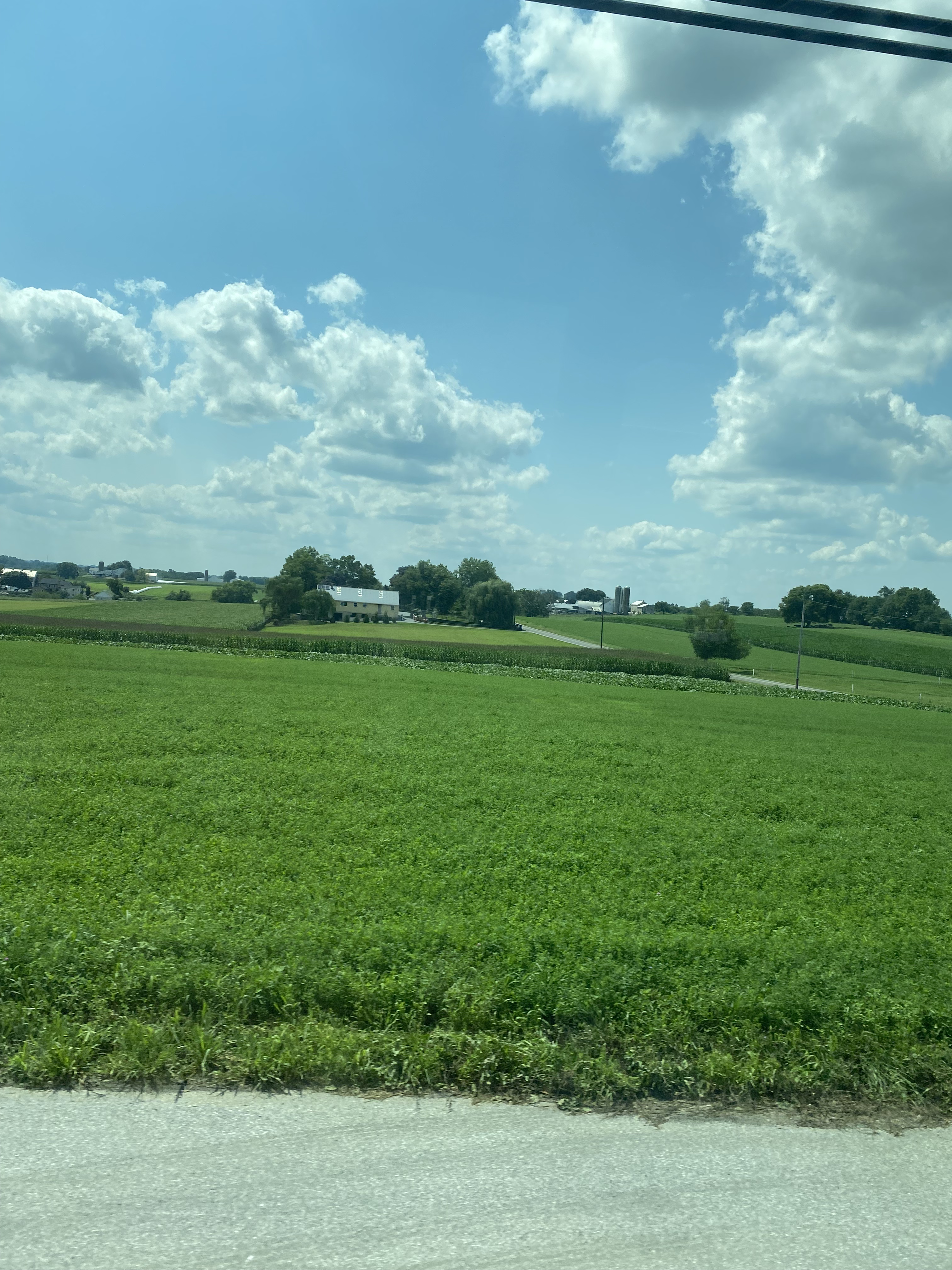
Maize farming in Nakuru is remarkably varied because the county spans several agro-ecological zones — from the cool, high Mau and Molo highlands down to the warmer, drier plains of Rongai and Bahati. That range means there is no single "best" way to grow maize in Nakuru; the right variety, planting date and management change as you move across the county. Get the match right, feed the crop well, stay ahead of diseases like MLND, and Nakuru rewards you with strong yields and easy access to some of Kenya's best maize markets. This guide walks through it all with realistic 2026 Kenyan numbers.
Nakuru's maize zones at a glance
Nakuru County sits mostly between 1,800m and 2,400m above sea level, straddling the floor of the Rift Valley and the surrounding highlands. Rainfall and temperature vary sharply with altitude, so it helps to think in zones:
- High cool highlands — Molo, Kuresoi North & South, Mau Narok (2,200–2,600m): Cold, high rainfall (1,000–1,400mm), long season. Ideal for late-maturing hybrids and also strong potato and pyrethrum country.
- Mid-altitude — Njoro, Bahati, Subukia, Nakuru East/West (1,900–2,200m): Reliable long rains, good deep soils. A maize, wheat and dairy belt with Egerton University and seed research nearby in Njoro.
- Warmer, drier lowlands — Rongai, Gilgil, parts of Naivasha (1,800–1,950m): Lower, less reliable rainfall (700–950mm). Medium and drought-escaping maize, plus beans and horticulture under irrigation.
County-specific challenges to plan for:
- MLND (Maize Lethal Necrosis Disease): Nakuru was one of the hardest-hit counties. It remains the single biggest disease risk — plan for tolerant varieties and rotation.
- Soil acidity: Continuous maize and heavy DAP use have acidified many Njoro, Molo and Bahati fields, locking up phosphorus. Liming is increasingly essential.
- Erratic rainfall in the lower zones: Rongai and Gilgil can suffer dry spells at flowering — variety and planting date matter.
- Fall armyworm, stalk borer and grey leaf spot are the recurring pests and diseases.
Choosing the right variety
In Nakuru, variety choice is about matching maturity length to your zone's altitude and season length, and prioritising MLND tolerance.
| Variety | Maturity | Best-suited zone | Notes |
|---|---|---|---|
| H614 | Late (~6 months) | High cool (Molo, Kuresoi, Mau Narok) | Top yield potential where the season is long and cool |
| H629 | Late | High cool | Good yield and standability; strong H614 alternative |
| DK 8031 / DK 90-89 | Late/medium-late | High to mid altitude | Vigorous, popular, good grain quality |
| H6213 | Medium | Mid altitude (Njoro, Bahati, Subukia) | Reliable where the season is a little shorter |
| DK 777 | Medium | Mid to lower altitude | Widely grown, dependable |
| PAN / Pioneer mediums | Medium | Warmer, drier Rongai/Gilgil | Choose MLND-tolerant, faster-maturing options |
Rule of thumb: in the coolest, longest-season areas plant late maturers (H614, H629, DK 8031) for maximum yield; in warmer or drier zones drop to a medium maturer that finishes grain-filling before dry spells. Wherever MLND has been a problem, prioritise tolerant hybrids and never recycle hybrid seed.
Long-rains season calendar
| Period | Activity |
|---|---|
| December–February | Soil testing, liming, primary ploughing, buy inputs early |
| March–April | Harrow, plant with first reliable rains + planting fertiliser |
| April–May | First weeding, gap-filling, scout for fall armyworm and MLND |
| ~6 weeks (knee-high) | First top-dressing (CAN/urea), second weeding |
| Before tasseling | Second top-dress on strong crops; disease scouting |
| June–August | Grain filling; monitor pests and disease |
| September–October | Maturity, dry-down, harvest (earlier in lower zones) |
| October–December | Drying, shelling, storage and selling |
Land preparation and planting
- Prepare early. Plough in the dry season and harrow to a fine, level seedbed so you can plant the moment the rains are reliable. Late land prep is the most common cause of late planting and lost yield.
- Lime acidic soils. If your soil test shows low pH — common in Njoro, Molo and Bahati — apply agricultural lime a few weeks before planting so phosphorus becomes available.
- Spacing: 75cm between rows and 25–30cm within rows, one seed per hole, gives roughly 44,000 plants per acre. A full, uniform stand is the foundation of high yield.
- Planting fertiliser: Apply DAP or a compound NPK at planting, placed below and beside the seed. On acidic soils, many farmers prefer NPK blends over straight DAP.
Fertiliser and top-dressing program
Maize is a heavy feeder. A typical Nakuru program per acre:
- At planting: ~50kg DAP or NPK compound.
- First top-dress (knee-high, ~6 weeks): ~50kg CAN or urea, applied to moist soil beside the row.
- Second top-dress (before tasseling) on strong crops: a further 25–50kg CAN/urea to push grain fill.
Where the government subsidised fertiliser programme is running, register early through your ward agriculture office to cut this cost. Never skip top-dressing — well-timed nitrogen is what separates 30-bag fields from 15-bag ones.
MLND, pests, diseases and weeds
- Maize Lethal Necrosis (MLND): Watch for yellowing, dead leaf margins, stunting and barren cobs. Plant tolerant varieties, rotate with legumes (beans, soya), destroy volunteer maize and infected plants, control insect vectors (thrips, beetles), and never plant continuous maize on the same land year after year.
- Fall armyworm: Scout from emergence; treat the whorl early in the evening with recommended insecticides and rotate actives.
- Stalk borer: Manage with timely control and field hygiene — destroy crop residues that harbour larvae.
- Grey leaf spot and northern leaf blight: Common in the humid highlands; choose tolerant varieties and rotate.
- Weeds: Keep the crop clean for the first 6 weeks — early weed competition is a silent yield thief. A pre-emergence herbicide plus one or two weedings works well on larger farms.
Indicative costs, yields and gross margin (per acre, 2026)
These are indicative ranges and vary with zone, soil, management, input prices and season — treat them as a planning guide, not a guarantee.
| Item | Indicative KES per acre |
|---|---|
| Land preparation (plough + harrow) | 4,000–7,000 |
| Certified seed (10kg) | 3,500–5,500 |
| Fertiliser (DAP/NPK + CAN/urea) | 12,000–20,000 |
| Lime (where needed, amortised) | 1,500–4,000 |
| Herbicide + pesticide | 3,000–6,000 |
| Planting + weeding labour | 4,000–8,000 |
| Harvesting, shelling, drying, bags | 5,000–9,000 |
| Total variable cost | ~33,000–59,000 |
| Yield (well managed) | 20–32 bags (90kg) |
| Farm-gate price (indicative) | KES 3,500–5,000 / 90kg bag |
| Gross revenue | ~70,000–160,000 |
| Indicative gross margin | ~30,000–100,000 |
Margins swing hardest on yield and selling price, which is why variety, MLND management, fertiliser and marketing decisions matter more than shaving a few shillings off land prep.
Harvesting, drying and storage
Harvest when husks are dry and the grain is hard. In the cool highlands the harvest can run into cold, damp weather, so drying discipline is critical to avoid mould and aflatoxin. Dry grain down to about 13.5% moisture before storing — NCPB and serious millers reject wet or mouldy grain. Shell clean, treat with an approved grain protectant, and store in dry, ventilated bags off the floor. Hermetic (PICS) bags let you hold grain safely for a better price later in the season.
Where and how to sell your maize
Nakuru is one of the best-connected maize markets in Kenya:
- NCPB depot: Buys clean, dry, well-graded grain at a gazetted price. Register in advance, expect quality checks, and plan for possible payment delays.
- Millers in Nakuru town and Njoro: Numerous millers buy for quick cash — convenient, usually at a lower price than holding for a strong market.
- Animal-feed manufacturers: Nakuru's large dairy and poultry sector creates steady demand for maize and maize by-products.
- Cooperatives and aggregators: Bulking through a group improves bargaining power and access to structured buyers.
- Direct buyers on Agrisoko: List your grain with clear moisture and grade, and reach buyers beyond the local broker network.
A smart approach is to split your crop: sell a portion at harvest for cash flow and hold the rest (in good storage) for the price rise that usually comes months later. Before agreeing any price, check the live maize price and the broader market intelligence dashboard so you negotiate from data, not guesswork.
Sell your Nakuru maize for more on Agrisoko
Nakuru's zones can produce excellent maize — but strong yields only pay off if you sell well. Use Agrisoko to track current maize prices, compare buyers across Nakuru, and list your maize for sale so serious millers, feed makers and traders come to you instead of you taking the first broker offer at the farm gate.
Buying maize in bulk?
Get maize supplier offers
Tell us your organisation and how much you need. Agrisoko matches suppliers across Kenya at today's market price.
No account needed. Your details stay private — we broker the intro.
Turn this guide into a market decision
Check live prices, browse active supply, or look at buyer demand before you move stock.