
Maize Farming in Meru (2026 Guide): Midland Zones, Bean Intercrop & Markets
Grow maize in Meru, Kenya: midland agro-ecological zones, best varieties, intercropping with beans, per-acre yields, pest control and where to sell for more.
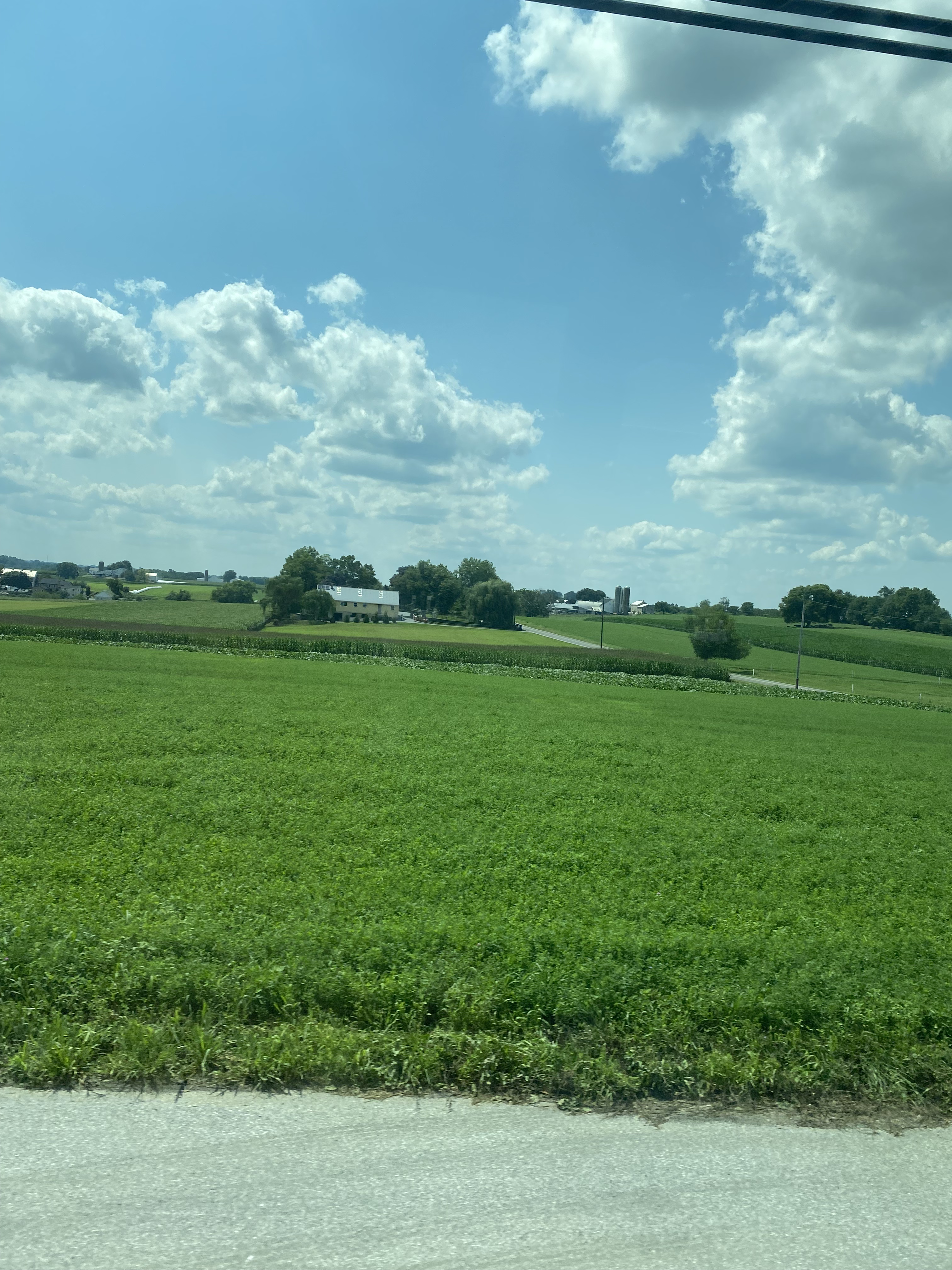
Maize farming in Meru is built around the county's fertile midland zones and a long tradition of intercropping maize with beans. Wrapping the eastern slopes of Mount Kenya, Meru enjoys two rainy seasons, deep volcanic soils and a range of altitudes that let smallholders grow maize alongside beans, bananas, khat (miraa), coffee, tea and horticulture. For most Meru families, maize is the food-security crop and beans the partner that feeds the soil and the household. This guide covers growing maize profitably in Meru — variety choice, the bean intercrop, agronomy, pests and markets — with realistic 2026 Kenyan numbers.
Meru's maize zones at a glance
Meru County ranges from the cool upper slopes of Mount Kenya down to the warm, drier lowlands toward the Nyambene ranges and the Tharaka borders. Rainfall is bimodal (two seasons), and altitude drives what grows where:
- Upper slopes / highland — parts of Imenti South & Central (1,700–2,100m): Cool, high rainfall (1,200–1,800mm), tea and coffee country where medium-late maize can do well.
- Midland belt — Imenti North, Buuri, Tigania, Igembe (1,200–1,700m): The core maize-bean zone with deep loams and reliable two-season rainfall — the productive heart of Meru maize.
- Lower, drier zones — Meru North lowlands, Tharaka borders (below 1,200m): Lower, less reliable rainfall (700–1,000mm). Fast, drought-escaping maize, green grams, sorghum and millet suit these areas.
County-specific challenges to plan for:
- Erratic short rains: The second season can fail in the lower zones — match variety maturity and consider drought-escaping options.
- Soil acidity and declining fertility on continuously cropped smallholder plots — the bean intercrop and liming help.
- Fall armyworm, stalk borer, MLND and leaf diseases are the recurring threats.
- Small plot sizes mean every square metre must earn its keep, which is why intercropping is so valuable here.
Choosing the right variety
In Meru, match maturity to your zone and rainfall reliability.
| Variety | Maturity | Best-suited zone | Notes |
|---|---|---|---|
| H513 / H516 | Medium | Midland belt (Imenti, Tigania, Igembe) | Popular, reliable in two-season midlands |
| DK 777 | Medium | Midland | Widely grown, dependable grain |
| DUMA 43 | Early-medium | Drier lower zones | Fast, drought-escaping, good for short rains |
| PAN / Pioneer mediums | Medium | Midland to lower | Choose MLND-tolerant options |
| H614 / H6213 | Medium-late | Cool upper slopes | Higher yield where the season is long and cool |
| WH / KDV drought hybrids | Early | Meru North lowlands | Escape dry spells at flowering |
Rule of thumb: in the cool upper slopes use medium-late hybrids for maximum yield; across the midland belt use medium maturers; and in the drier lower zones choose fast, drought-escaping varieties so the crop fills grain before the rains stop. Always buy fresh certified seed — recycled hybrid seed collapses yield.
Intercropping maize with beans
Maize-bean intercropping is the backbone of Meru smallholder farming, and done well it raises total returns per acre:
- Nitrogen fixation: Beans fix atmospheric nitrogen, partly feeding the maize and improving the soil for the next crop.
- Ground cover: Bean foliage shades the soil, suppresses weeds and conserves moisture — valuable in the drier zones.
- Two incomes, one field: You harvest beans first (about 70–90 days), then maize, spreading income and food supply.
- Layout: Plant maize at 75cm × 25–30cm and sow bush beans (Rosecoco, Mwitemania, Wairimu) between the maize rows, one to two bean rows per interrow. Keep the maize population high enough for good grain yield while giving beans light.
Manage the intercrop by weeding both crops early, applying phosphate fertiliser at planting for both, and top-dressing maize with nitrogen after the beans are harvested to avoid over-shading. For more on the bean side, see the dry beans farming guide for Kenya.
Two-season calendar
| Period | Activity |
|---|---|
| February–March | Soil testing, liming, land preparation, buy inputs |
| March–April | Plant long-rains maize + beans with first reliable rains |
| April–May | Weeding, gap-filling, scout for fall armyworm |
| ~6 weeks | Top-dress maize (CAN/urea), harvest beans as they mature |
| June–August | Grain filling; pest and disease scouting |
| August–September | Long-rains maize maturity and harvest |
| October–November | Plant short-rains crop (medium/early varieties) |
| December–February | Short-rains harvest, drying, storage and selling |
Land preparation, planting and fertiliser
- Prepare early. Plough and harrow to a fine seedbed in the dry spell so you can plant the moment rains are reliable.
- Lime acidic soils where a soil test shows low pH so phosphorus becomes available.
- Spacing: 75cm between rows and 25–30cm within rows for maize, with beans between the rows.
- At planting: ~50kg DAP or NPK compound per acre for the maize (beans also benefit from phosphate).
- Top-dress: ~50kg CAN or urea at knee-high, and a further 25–50kg before tasseling on strong crops. Register early for the subsidised fertiliser programme through your ward office where available.
Pests, diseases and weed control
- Fall armyworm: Scout from emergence; treat the whorl early in the evening with recommended insecticides and rotate actives.
- Stalk borer: Manage with timely control and field hygiene — destroy residues that harbour larvae.
- MLND and leaf diseases (grey leaf spot, blight): Choose tolerant varieties, rotate with legumes, remove volunteer maize and control insect vectors.
- Bean diseases (anthracnose, rust, halo blight): Use clean certified bean seed and rotate.
- Weeds: Keep both crops clean for the first 6 weeks — early competition steals yield. Use careful hand or ox weeding on intercropped plots to protect the beans.
Indicative costs, yields and gross margin (per acre, 2026)
These are indicative ranges for a maize-bean intercrop and vary with zone, soil, management, input prices and season — a planning guide, not a guarantee.
| Item | Indicative KES per acre |
|---|---|
| Land preparation | 4,000–7,000 |
| Certified maize seed (10kg) | 3,500–5,500 |
| Certified bean seed | 2,500–4,500 |
| Fertiliser (DAP/NPK + CAN/urea) | 10,000–17,000 |
| Herbicide + pesticide | 3,000–6,000 |
| Planting + weeding labour | 5,000–9,000 |
| Harvesting, shelling, drying, bags | 5,000–9,000 |
| Total variable cost | ~33,000–58,000 |
| Maize yield (well managed) | 15–28 bags (90kg) |
| Bean yield (intercrop) | 2–5 bags (90kg) |
| Maize farm-gate price | KES 3,500–5,000 / bag |
| Bean farm-gate price | KES 8,000–14,000 / bag |
| Combined gross revenue | ~80,000–190,000 |
| Indicative gross margin | ~40,000–130,000 |
The intercrop's extra bean income is what makes small Meru plots viable — the beans often carry the margin in a poor maize year.
Harvesting, drying and storage
Harvest bush beans when pods are dry, then harvest maize when husks are dry and grain is hard. Dry maize to about 13.5% moisture and beans to about 12–13% before storing — buyers reject wet or mouldy produce, and drying discipline prevents aflatoxin in maize and bruchid damage in beans. Shell/thresh clean, treat with an approved protectant, and store in dry, ventilated or hermetic (PICS) bags off the floor so you can hold for a better price.
Where and how to sell your maize
Meru offers diverse market outlets:
- Local millers and traders: In Meru town, Maua, Nkubu and Mikinduri, buying for quick cash.
- NCPB depot: Buys clean, dry, graded grain at a gazetted price; register in advance.
- Cooperatives and aggregators: Bulking improves bargaining power and market access.
- Animal-feed buyers: Steady demand from the region's dairy and poultry keepers.
- Direct buyers on Agrisoko: List grain and beans with clear moisture and grade to reach buyers beyond local brokers.
Split your crop between quick cash at harvest and grain held in good storage for the price rise months later. Before agreeing any price, check the live maize price and the broader market intelligence dashboard.
Sell your Meru maize and beans for more on Agrisoko
Meru's midland farms can produce strong maize and beans from the same acre — but good yields only pay off if you sell well. Use Agrisoko to track current maize prices, compare buyers across Meru, and list your produce for sale so serious millers, traders and cooperatives come to you instead of you taking the first broker offer at the farm gate.
Buying maize in bulk?
Get maize supplier offers
Tell us your organisation and how much you need. Agrisoko matches suppliers across Kenya at today's market price.
No account needed. Your details stay private — we broker the intro.
Turn this guide into a market decision
Check live prices, browse active supply, or look at buyer demand before you move stock.