
Finger Millet (Wimbi) Farming in Kenya (2026 Guide): Varieties, Agronomy & Markets
Grow finger millet (wimbi) in Kenya: best varieties, Western and Nyanza agronomy, weeding, bird control, per-acre yields, nutrition demand and where to sell.
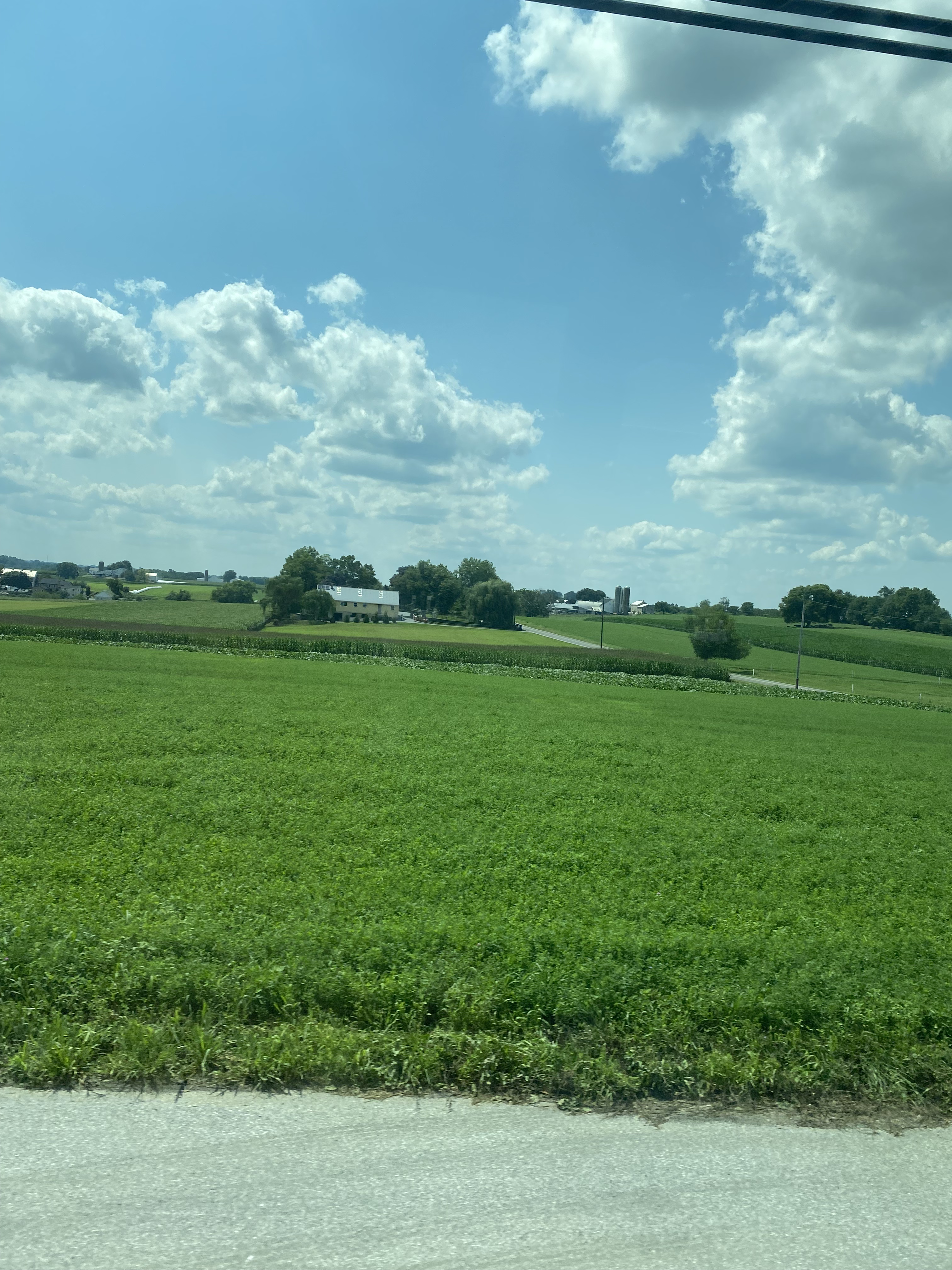
Finger millet — known across Kenya as wimbi — is one of the country's oldest and most nutritious cereals, and demand for it has never been stronger. Wimbi flour and porridge (uji) are prized as weaning and health foods, the grain is used in malting and brewing, and its high iron, calcium and fibre content has made it a favourite in the health-food market. For farmers in Western Kenya, Nyanza and the drier midlands, finger millet is drought-tolerant, grows on poorer soils where maize struggles, stores for years without spoiling, and fetches a much higher price per kilo than maize. This guide covers growing wimbi profitably in Kenya — varieties, agronomy, bird and weed control, and markets — with realistic 2026 Kenyan numbers.
Where finger millet grows in Kenya
Finger millet is grown mainly in the medium and lower-midland zones of Western Kenya (Busia, Teso, Bungoma, Kakamega, Vihiga), Nyanza (Siaya, Homa Bay, Migori, Kisii, Nyamira) and parts of the Rift and Eastern lower-midlands, roughly 1,000–2,000m with 500–1,000mm of rainfall. It tolerates poorer, more acidic soils and less reliable rain than maize, which is exactly why it remains a dependable food-security and cash crop in these regions even in a difficult season.
Key advantages that make wimbi attractive:
- Drought tolerance: Produces a harvest on rainfall that would fail maize.
- Excellent storage: Clean, dry grain keeps for several years with minimal pest damage — a natural food and cash reserve.
- High nutrition and price: Rich in calcium, iron and fibre; sells well above maize per kilo.
- Rising demand: Health foods, weaning foods, composite flours and malting all pull demand upward.
Choosing the right variety
Improved varieties from KALRO and regional breeding programmes out-yield local landraces and resist blast disease better.
| Variety | Maturity | Notes |
|---|---|---|
| U-15 | ~3.5–4 months | High-yielding improved variety, good adaptability |
| P-224 | Medium | Popular improved type, uniform maturity |
| Gulu E | Medium | Good yield, widely grown in Western/Nyanza |
| Okhale-1 | Medium | Improved, good grain quality |
| KAT/FM-1 | Early-medium | Suited to drier midlands |
| Local landraces | Varies | Adapted but low-yielding and blast-prone |
Match maturity to your rainfall and always buy fresh certified seed — millet seed is very small, so germination and purity strongly affect your stand and final yield.
Season calendar
| Period | Activity |
|---|---|
| Before rains | Buy certified seed and phosphate fertiliser; prepare a weed-free seedbed |
| Onset of rains | Plant in rows with first reliable rains |
| Weeks 1–2 | Thin to a good stand; first weeding (critical) |
| Weeks 3–7 | Second and third weeding; light nitrogen top-dress |
| Heading & grain-fill | Scout for blast; scare birds |
| ~3–4 months | Heads turn brown; harvest promptly |
| After harvest | Dry, thresh, winnow, clean and store or sell |
Land preparation, planting and fertiliser
- Fine, clean seedbed: The tiny seed needs a firm, fine, weed-free bed for good germination and a full stand.
- Plant in rows, do not broadcast: Rows about 30cm apart with seed drilled shallow (1–2cm) make weeding far easier and lift yield dramatically compared with the traditional broadcast method. Thin after emergence to an even stand.
- Fertiliser: apply a light phosphate dose (DAP or P-rich NPK) at planting, and a modest nitrogen top-dress (CAN/urea) once established on poorer soils. Manure or compost worked in before planting also helps.
- Rotation: rotate with legumes (beans, groundnuts, soya) or grow after a legume to lift fertility and break disease and striga cycles.
Weeds, pests, diseases and birds
- Weeds (the biggest challenge): Millet competes poorly early. Weed within two weeks of emergence and again as needed — two to three weedings. Row planting is what makes this manageable and is the single biggest yield lever in wimbi.
- Finger millet blast: The main disease, causing neck and head rot in humid conditions. Use tolerant improved varieties, certified seed, rotation and balanced fertility.
- Birds: Weaver birds and others attack at grain-fill. Scare with children, reflective tape, scarecrows and noise; plant in larger community blocks so damage is diluted across a bigger area; and harvest promptly once heads mature.
- Storage: Well-dried millet resists weevils and keeps for years — store clean, stone-free grain in dry bags off the floor.
Indicative costs, yields and gross margin (per acre, 2026)
These are indicative ranges and vary with variety, soil, management, labour and season — a planning guide, not a guarantee.
| Item | Indicative KES per acre |
|---|---|
| Land preparation | 4,000–7,000 |
| Certified seed (2–4kg) | 800–2,000 |
| Fertiliser (phosphate + light N) | 3,000–6,000 |
| Manure/compost | 1,500–4,000 |
| Weeding labour (2–3 rounds) | 6,000–12,000 |
| Bird scaring | 2,000–5,000 |
| Harvest, threshing, winnowing, bags | 4,000–8,000 |
| Total variable cost | ~21,300–44,000 |
| Yield (improved, well managed) | 5–10 bags (90kg) |
| Farm-gate price (indicative) | KES 7,000–12,000 / 90kg bag |
| Gross revenue | ~40,000–120,000 |
| Indicative gross margin | ~20,000–80,000 |
Labour for weeding and threshing is the largest cost, but wimbi's high price per kilo and long storage life mean a well-managed crop returns a strong margin — and you can hold the grain for months until prices peak.
Harvesting, drying and storage
Harvest when the heads (fingers) turn brown and the grain is hard. Cut the heads, dry them fully in the sun on a clean surface, then thresh (by beating in bags or on a tarpaulin) and winnow to remove chaff, stones and dirt. Clean, stone-free grain of a single variety at about 12% moisture earns the best price and is what millers and food companies demand. Store in dry, ventilated bags off the floor — because finger millet keeps for years, storage lets you sell strategically when prices are highest rather than dumping at harvest.
Where and how to sell your finger millet
Demand for wimbi is strong and diversified:
- Local and regional traders and wholesale markets: In Busia, Kisumu, Kakamega, Kisii and beyond.
- Millers and food companies: Producing wimbi flour, composite and weaning flours, porridge mixes and health-food products.
- Malt and brewing buyers: Finger millet is used in traditional and commercial malting.
- Institutions and cooperatives: Schools, health programmes and farmer groups that bulk and grade grain.
- Direct buyers on Agrisoko: List your millet with variety, cleanliness and moisture stated clearly to reach buyers beyond the local broker.
Clean, well-dried, stone-free grain always fetches more — invest in proper winnowing and grading. Before agreeing any price, check the broader market intelligence dashboard and compare cereal prices such as maize to see how wimbi's premium stacks up against alternative grains.
Sell your finger millet for more on Agrisoko
Finger millet turns marginal land and unreliable rain into a high-value, long-storing crop — and rising health-food demand means the market is only growing. Use Agrisoko to follow the market intelligence dashboard, compare buyers across Western Kenya and Nyanza, and list your wimbi for sale so millers, food companies and traders come to you instead of you taking the first broker offer at the farm gate.
Turn this guide into a market decision
Check live prices, browse active supply, or look at buyer demand before you move stock.