
Fodder and Silage Making in Kenya: Maize, Rhodes, Napier and Costs
A practical guide to fodder and silage making in Kenya — maize, Rhodes, Napier and lucerne, step-by-step silage, cost per kg of dry matter, and dairy demand.
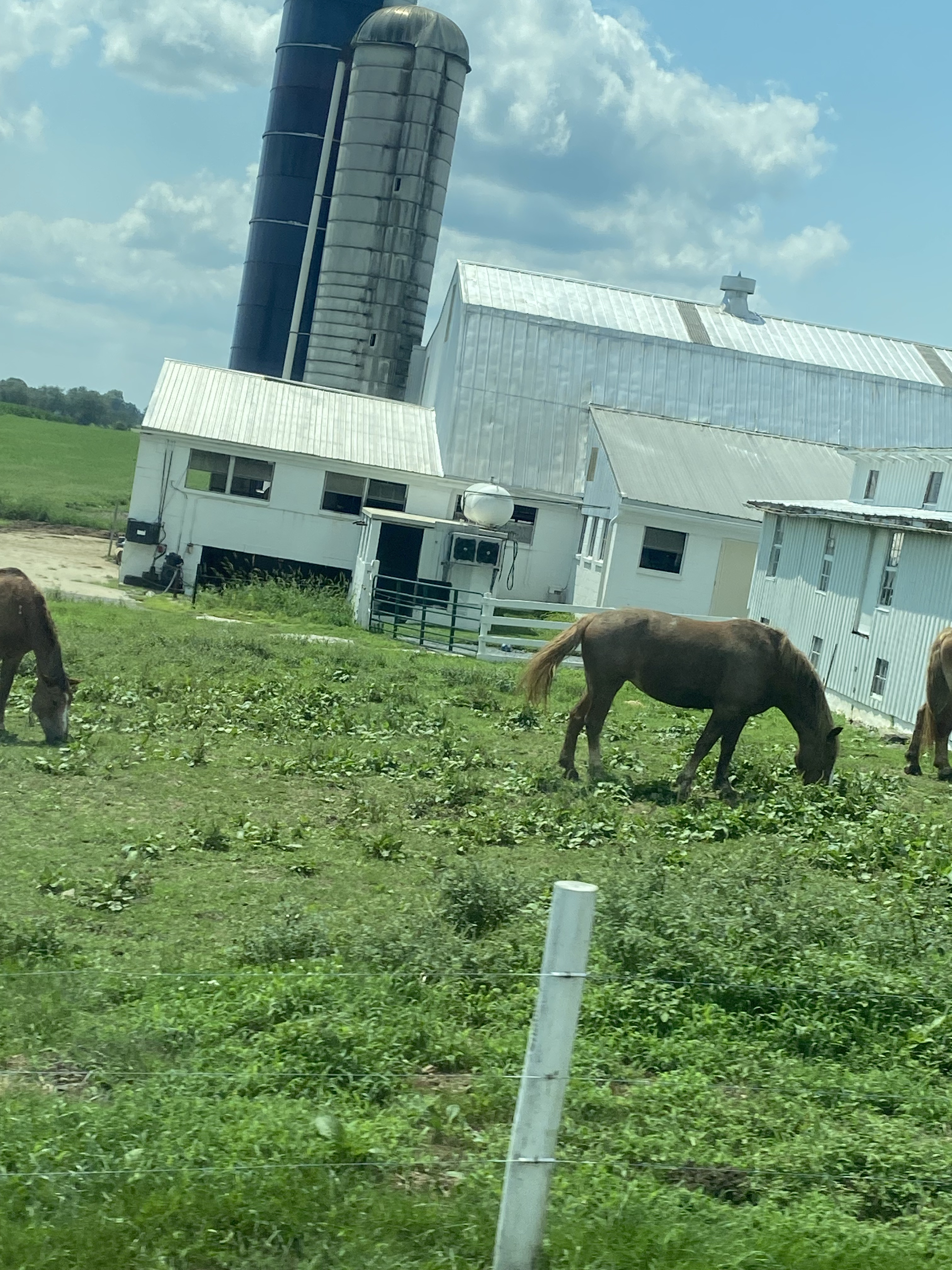
Fodder and silage making in Kenya is the single most important skill in profitable dairy and livestock farming. Feed is the largest cost on any dairy farm, and the difference between a cow that milks well year-round and one whose yield collapses every dry season comes down to whether the farmer has conserved enough quality fodder. This guide covers the main fodder crops grown in Kenya, step-by-step silage making, the cost per kilogram of dry matter, and the strong and growing dairy demand that makes fodder a business in its own right.
Why fodder and silage matter
Kenya's rainfall is seasonal. During the rains, Napier, pasture and maize grow faster than livestock can eat them; in the dry season, that green feed disappears and cows go hungry. The result on most farms is a yo-yo of milk production — high in the wet months, low in the dry ones. Conserving the wet-season surplus as silage and hay flattens that curve, keeping cows productive all year and cutting reliance on expensive concentrates.
Fodder is also where feed cost is controlled. Home-grown silage delivers energy far more cheaply than dairy meal, so farmers who grow and conserve their own fodder run more profitable herds. And because so many dairy farmers still fail to conserve enough, fodder itself has become a profitable crop to sell.
Main fodder crops in Kenya
Napier grass (Pennisetum purpureum)
The backbone of zero-grazing. High-yielding, easy to establish from cuttings, and cut at 1–1.2m every 45–60 days. Grows across most altitudes. Can be fed fresh or ensiled.
Maize for silage
The best silage crop — high in energy and sugars, which make excellent fermentation. Widely grown, especially in grain belts like Uasin Gishu and Trans Nzoia where silage is cheap to make at scale.
Rhodes grass
The leading hay grass in Kenya. Drought-tolerant, palatable, and easy to bale and store. Rhodes hay is heavily traded and a reliable dry-season feed and income earner.
Lucerne (alfalfa) and other legumes
Protein powerhouses that reduce the dairy-meal bill. Lucerne suits cool highlands; desmodium and sweet potato vines add protein in many zones. Legumes are the quality half of a good ration.
Oats, fodder beet and sorghum
Oats and fodder beet grow well in cool highlands and add energy variety; sweet sorghum and forage sorghum suit drier areas.
How to make silage: step by step
Silage is fermented, preserved green fodder. Done well, it keeps for a year or more and holds most of the feed value of fresh forage. The principle is simple: exclude air so that good bacteria ferment the sugars and pickle the feed.
- Harvest at the right maturity. Maize at the dough stage (grain milky to doughy, plant still moist); Napier before it turns stemmy.
- Chop finely. Cut into 1–2 cm pieces. Fine chopping helps compaction and fermentation.
- Add molasses if needed. For low-sugar or wet material, sprinkle diluted molasses to feed the fermentation; wilt very wet Napier slightly first.
- Compact hard. Fill the pit, bunker, tube or bags in layers, pressing out air from each layer. Drive over bunkers with a tractor; tamp bags and tubes firmly.
- Seal airtight. Cover with polythene and weigh it down with soil, tyres or sandbags. Keep it watertight.
- Ferment for about three weeks. Leave sealed until you need to feed.
- Open carefully and reseal. Take only what you need and reseal to keep air and rain out.
Silage can be stored in pits, above-ground bunkers, tubes, or heavy polythene bags — bags suit smallholders, bunkers and pits suit larger herds.
Making and storing hay
Hay is dried fodder, ideal for grasses like Rhodes. Cut at early flowering for the best balance of yield and quality, dry in the field to the correct moisture (not so wet it moulds, not so dry it shatters), then bale. Store bales under cover and off the ground to prevent spoilage. Good hay keeps for many months and sells strongly in the dry season.
Cost per kg of dry matter
Comparing feeds fairly means costing them per kilogram of dry matter (DM) — the actual feed once water is removed — because fresh forage is mostly water.
| Feed | Indicative cost per kg fresh (KES) | Approx. cost per kg DM (KES) | Notes |
|---|---|---|---|
| Maize silage (home-grown) | 5–12 | 20–40 | Cheapest energy for the dry season |
| Napier grass (fresh) | 2–5 | 12–30 | Bulk forage; quality varies with cutting stage |
| Rhodes grass hay | — (per bale) | 25–45 | Reliable dry-season roughage |
| Lucerne/legume | — | 40–70 | Protein-rich; cuts dairy-meal cost |
| Dairy meal (concentrate) | — | 60–100+ | Most expensive; use to top up, not replace forage |
These are indicative ranges — always cost your own land, inputs and labour, as prices vary by region and season.
The dairy demand for fodder
Fodder is no longer just a dairy input; it is a market. Every dry season, dairy farmers across Nakuru, Uasin Gishu, Nyandarua, Meru, Kiambu, Bomet and beyond scramble for hay and silage, and prices rise. Farmers with baled Rhodes hay or packaged silage to sell find ready buyers.
- Rhodes grass hay is the most widely traded fodder, sold by the bale.
- Silage is increasingly packaged in bags for sale to peri-urban and smallholder dairies.
- Fodder seed and Napier cuttings are also in steady demand.
Producing fodder for sale suits farmers near dairy zones with land to spare, and it turns seasonal grass surpluses into cash.
Simple economics of fodder conservation
For a dairy farmer, the payoff is protecting dry-season milk income:
- Feeding home-grown silage instead of buying extra dairy meal can cut dry-season feed cost per cow substantially while holding yields.
- A cow that would drop from 15L to 8L in the dry season, but is kept at 13L on conserved fodder, earns thousands of extra shillings a month.
- For a fodder seller, an acre of well-managed Rhodes can produce many bales of hay per season, with strong dry-season prices.
The lesson: conserving fodder is the highest-return investment most dairy farmers can make, and selling it is a genuine agribusiness.
Get started with Agrisoko
Fodder and silage are where dairy profit is protected and where a real fodder-selling business can grow. Whether you are conserving feed for your own herd or producing hay and silage to sell, plan for the dry season and cost your feed per kg of dry matter. Ready to source Rhodes and lucerne seed, Napier cuttings, or sell your hay and silage? Compare current feed and milk prices on our market intelligence hub and the milk price page, then list your fodder for sale on Agrisoko to reach dairy farmers across the country.
Buying milk in bulk?
Get milk supplier offers
Tell us your organisation and how much you need. Agrisoko matches suppliers across Kenya at today's market price.
No account needed. Your details stay private — we broker the intro.
Turn this guide into a market decision
Check live prices, browse active supply, or look at buyer demand before you move stock.