
Dairy Farming in Nakuru: Breeds, Feeding and Milk Markets
A practical guide to dairy farming in Nakuru — mixed-farm Friesian and Ayrshire management, Rhodes and lucerne fodder, feed access, processors and milk prices.
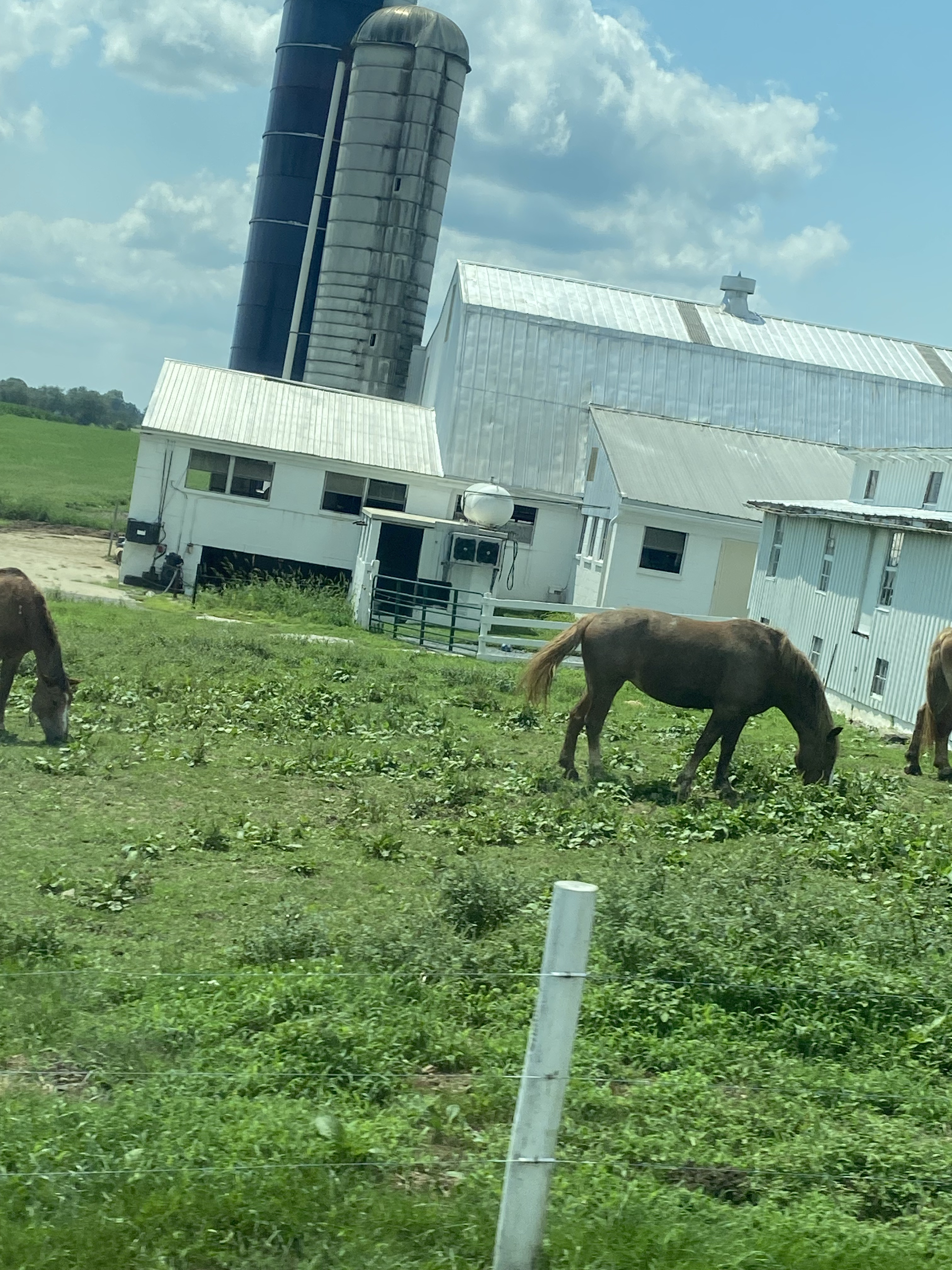
Dairy farming in Nakuru is one of the most commercially advanced smallholder and mid-scale dairy sectors in Kenya. Sitting at the heart of the Rift Valley, Nakuru combines varied altitudes, strong crop-livestock integration, and unusually good access to feeds, agrovet inputs and milk buyers. If you want to build a profitable dairy farm in Nakuru, success comes down to matching the right breed to your zone, feeding consistently through the dry season, controlling disease, and choosing among the county's many reliable milk markets.
Why Nakuru is a dairy powerhouse
Nakuru's landscape ranges from the cool, high country around Molo, Njoro, Kuresoi and Subukia down to the warmer Rift floor near Nakuru city and Rongai. This range lets farmers keep different breeds suited to their altitude. Rainfall is generally reliable in the highlands, and the county's strong maize, wheat and horticulture base means dairy sits naturally alongside crops on mixed farms.
The county's standout advantage is market and input access. Nakuru city is a major urban milk market, feed millers and agrovets are well distributed, and multiple processors and cooperatives compete for milk. That competition tends to keep farm-gate prices firm and gives farmers real choice about where to sell.
Best dairy breeds for Nakuru
Friesian (Holstein Friesian)
The volume breed. In Nakuru's cool highlands a well-fed Friesian delivers 20–35 litres a day at peak. It is demanding on feed, so it pays off best on farms that can guarantee quality feeding year-round.
Ayrshire
The dependable all-rounder at 15–25 litres/day, hardier than the Friesian and more forgiving of feed swings and warmer zones. An excellent choice for most Nakuru mixed farms.
Jersey
Smaller and eating less, at 10–18 litres/day but with high butterfat (4.5–5.5%). Ideal for value addition and more heat-tolerant for the Rift floor.
High-grade crosses
Friesian or Ayrshire crossed with local stock gives good yield with better disease tolerance and heat resistance — a safe choice for Rongai and other warmer areas.
Housing and system
Most Nakuru smallholders use zero-grazing (cut-and-carry), while larger mixed farms combine it with paddock grazing where land allows.
- 3.5m x 3.5m cubicle per cow with a roof for shade and rain protection
- Concrete floor sloped 2–3% so urine and washings drain away
- Dry bedding and a separate calf pen; add warmth in cold highland areas
- Clean water always — a milking cow drinks 40–80 litres a day
A simple two-cow unit costs roughly KES 60,000–180,000 depending on materials.
Fodder and feed access
Feed is where dairy profit is made, and Nakuru gives farmers both good growing conditions and a working feed market.
- Napier grass: The zero-grazing backbone; cut at 1–1.2m every 45–60 days.
- Rhodes grass: Excellent for hay and widely traded in Nakuru; easy to bale or buy.
- Lucerne (alfalfa): A protein powerhouse that cuts your dairy-meal bill significantly.
- Maize silage: Integrate with your crop rotation to carry the herd through dry spells.
- Dairy meal and by-products: Readily available from Nakuru millers and agrovets.
Aim for at least half an acre of fodder per cow, conserve during the rains, and buy hay strategically when prices are low.
Sample monthly feed budget (one milking Friesian, ~20L/day)
| Item | Quantity/month | Indicative cost (KES) |
|---|---|---|
| Napier/forage (own grown) | ~1,000 kg | 3,000 (labour/input) |
| Dairy meal | ~120 kg | 8,000–10,000 |
| Rhodes hay/lucerne supplement | ~60 kg | 2,000–3,000 |
| Minerals + salt lick | — | 700–1,200 |
| Deworming/acaricide (share) | — | 800–1,200 |
| Total | ~14,500–18,400 |
Health and vaccination
Follow a firm calendar to protect your herd:
- FMD: every 6 months
- Lumpy Skin Disease: annually
- East Coast Fever: immunise, especially in tick-prone highland farms
- Brucellosis: heifers once at 3–8 months
- Tick control: spray or dip weekly, rotating acaricides to prevent resistance
- Mastitis prevention: clean milking, strip the first streams, dip teats after milking
- Calf care: dry pens, warmth in cold zones, colostrum in the first hours
Breeding and records
Use artificial insemination (AI) to access superior genetics affordably — AI and quality semen are widely available across Nakuru. Watch for heat, serve within 12–18 hours, and target a 12–13 month calving interval. Keep simple records of milk per cow, service and calving dates, feed and treatments. Records show which cows earn their keep and are the entry ticket to breeding and milk-recording schemes.
Milk markets in Nakuru
Nakuru gives dairy farmers more market choice than almost any county.
- Cooperatives and coolers: Join a local co-op or chilling plant around Molo, Njoro, Subukia or Rongai for reliable payment and inputs on credit. Farm-gate prices typically run KES 38–52 per litre, rising in the dry season.
- Processors: New KCC, Brookside and other processors run active collection routes; consistent quality and volume open the door.
- Direct sales: The large Nakuru city market, plus schools, hospitals and hotels, pay KES 60–90 per litre — more work, more margin.
- Value addition: Yoghurt, mala and ghee lift returns further.
Track prevailing prices on Agrisoko's market intelligence hub and the milk price page before you commit volume to any buyer.
Simple economics
For a 3-cow unit averaging 16L/day each (48L/day) at KES 45 farm-gate:
- Daily milk: 48 litres → monthly revenue ~KES 64,800
- Monthly feed and health cost: ~KES 42,000–52,000
- Rough monthly net: KES 15,000–22,000, rising sharply as yields climb toward 20L+ and if you sell part of the milk direct into Nakuru city.
The lesson: push per-cow yield through feeding rather than simply keeping more low-yield cows.
Get started with Agrisoko
Nakuru offers dairy farmers a rare combination — good climate zones, strong feed markets and a wide choice of buyers. Turn those advantages into steady income by feeding consistently, conserving fodder, and selling smart. Ready to buy heifers, source Rhodes hay and dairy meal, or reach milk buyers directly? Compare current rates on our market intelligence pages and list your dairy stock or milk for sale on Agrisoko to reach buyers across the county.
Buying milk in bulk?
Get milk supplier offers
Tell us your organisation and how much you need. Agrisoko matches suppliers across Kenya at today's market price.
No account needed. Your details stay private — we broker the intro.
Turn this guide into a market decision
Check live prices, browse active supply, or look at buyer demand before you move stock.